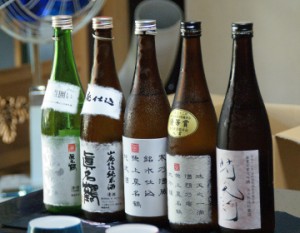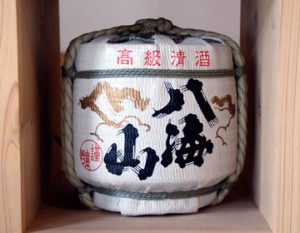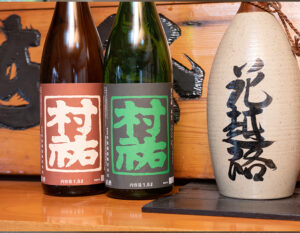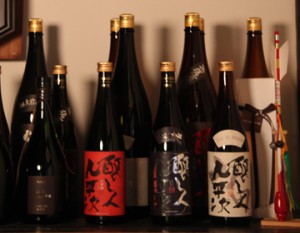


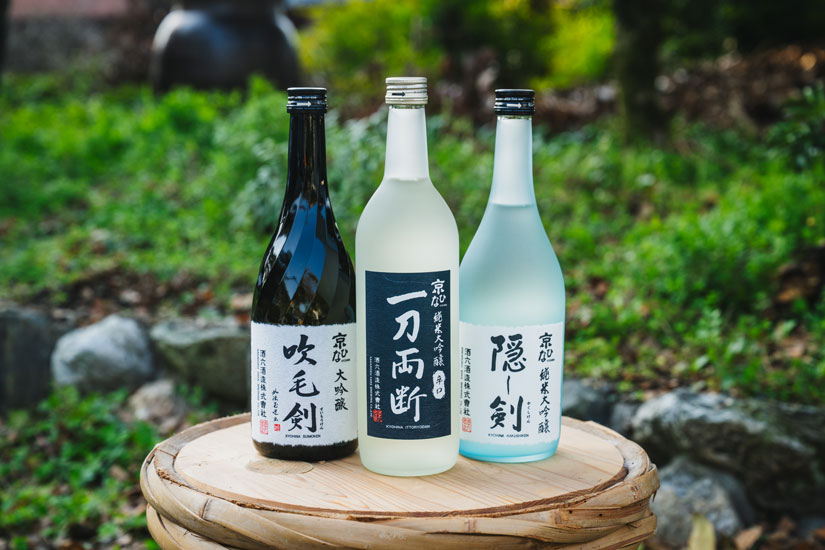
In Uchiko Town, Ehime Prefecture—a town that flourished during the Edo period thanks to “mokuro,” a natural plant-based wax, and where the traditional townscape remains to this day—there is a brewery that has been producing sake for over 100 years. “Sakaroku Shuzo” was founded in Taisho 9 (1920) when several small-scale breweries joined forces. It is a long-established brewery known for its “Kyohina” brand.
Local Sake Breweries Come Together to Create “Kyohina”
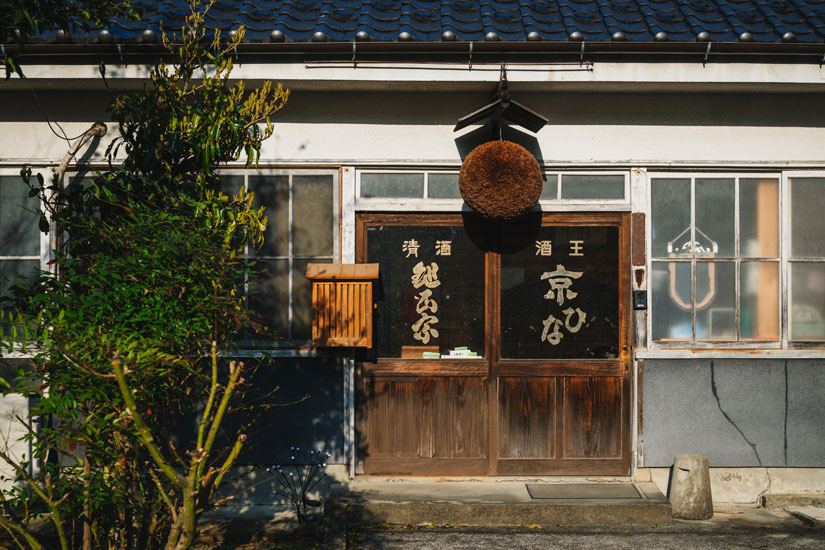
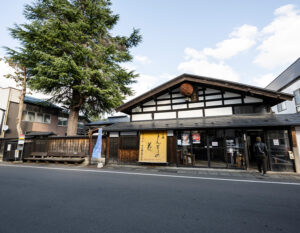
From the late Edo period through the Meiji era, Uchiko Town flourished as a center for wood wax production. The town’s white-walled streetscape, which still reflects that prosperity today, has been designated as a National Preservation District for Groups of Traditional Buildings.
The roots of “Sakaroku Shuzo,” which operates a brewery in this town steeped in historical charm, date back to the Edo period.
Thanks to the high-quality water from the Oda Miyama Gorge and the climate conditions of the mid-mountainous region—which have long been ideal for sake brewing—there were more than a dozen sake breweries in this area, which was then part of the Ozu Domain. Eight of these breweries joined forces and built a new facility in Taisho 9 (1920), marking the beginning of the company. Breweries from the former towns of Uchiko and Ikazaki (now Uchiko Town) and Ozu City merged to establish Kita Shuzo Co., Ltd.
“Since each one was a small brewery—too small to be called a ‘sake brewery’ on its own—I think the natural progression was for them to come together to produce sake on a larger scale,” says Naoyuki Takechi, the current owner.
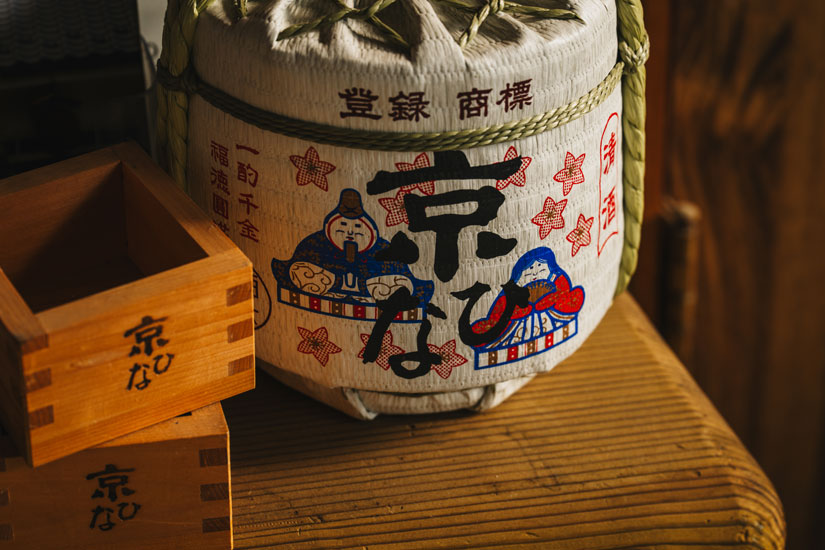
In Showa 16 (1941), Ken’ichirō Sakai, who ran a cotton textile business in Yawatahama within the prefecture, acquired the brewery and founded “Sakuroku Shuzo.” He inherited “Kyōhina,” the flagship brand that had been in production since the company’s founding. The name is said to derive from the fact that sake served to a renowned monk in Kyoto was highly praised, and that the occasion coincided with the Hinamatsuri (Doll Festival).
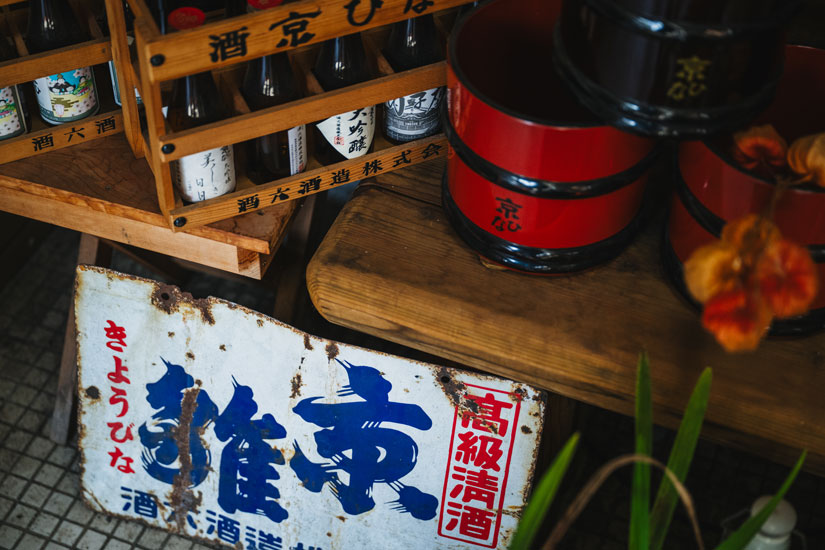
“Looking at the sign still hanging in the brewery, I see that during the Kita Shuzo era, it was written in kanji as ‘Kyōbina’ (京雛). At some point, it changed to ‘Kyōhina.’ Since this is a brewery that produces clear sake rather than cloudy sake, I think the intention was to remove the dakuten,” says Mr. Takachi.
Embracing the Local Food Culture
In Ehime, blessed with the bounty of the Seto Inland Sea, the cuisine features dishes that highlight the natural flavors of the ingredients, particularly sea bream and whitefish.
“Country cooking isn’t about adding ingredients—it’s about subtracting them. It’s about simply enjoying the natural flavors of the ingredients. To complement this regional culinary tradition, our sake is slightly dry with a clean finish. It doesn’t take center stage; rather, it acts as a supporting player, enhancing the dining experience. That’s the kind of sake I like, and that’s always been the character of Kyohina,” says Mr. Takachi.
Sake from Sakuroku Sake Brewery has long been cherished as a supporting actor that helps people savor the moment while enjoying a meal.
Mr. Takechi’s Challenge to Preserve and Carry On the “Kyohina” Legacy
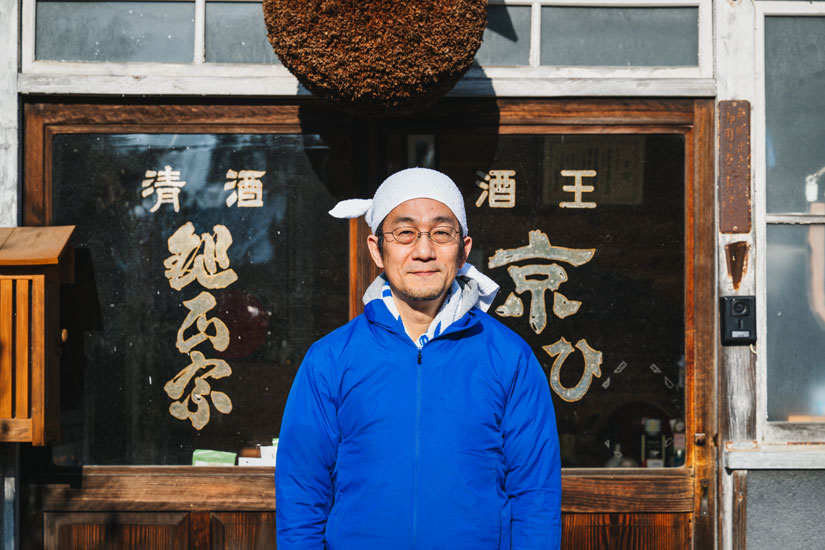
Mr. Takechi was not originally the heir to Sakuroku Brewery. He came to take over the brewery through his marriage to Mika, the daughter of the previous owner, Fujio Sakai.
After graduating from college, Mr. Takechi worked for an electronics manufacturer in Tokyo, leading a fulfilling life as an engineer. It was during this time that he met Mika and married her. Although he knew her family owned a sake brewery, he had absolutely no plans to take it over at the time.
However, a turning point came suddenly.
“In 2010, my father-in-law passed away suddenly, and after discussions among the family, we concluded that if my wife and I didn’t take over, the brewery would have to close. So we thought, ‘If we can pitch in, let’s give it a try…’ To be honest, at that time, I didn’t really understand how difficult sake brewing would be,” he recalls.
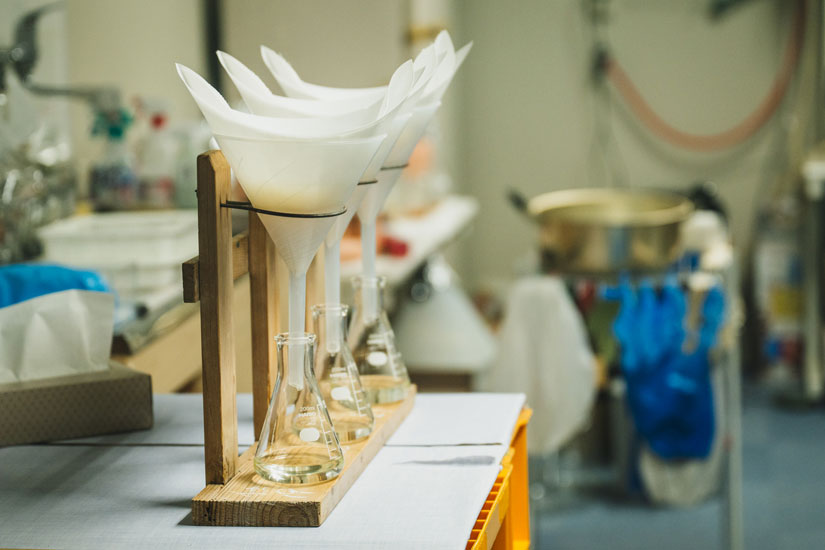
At Sakuroku Sake Brewery, we have invited master brewers from Ikata—a tradition originating in Ikata Town, Nishiuwa District—to produce sake based on traditional techniques. Mr. Takechi, who became the representative of Sakuroku Sake Brewery, learned from them, living and working side by side to master their craft.
“Having such outstanding Ikata Toji master brewers with us made a huge difference. Together with the employees who have been here since the previous generation, we’ve worked hard with the determination to preserve ‘Kyohina,’ and that’s how we’ve reached where we are today.”
What the previous generation valued most was handcrafted sake brewing focused on quality, rather than mass production. Mr. Takachi, who adopted this philosophy and took on the role of master brewer himself, has guided the brewery to its continued success through his flexible approach and the rationality of his engineering background.
Between Tradition and Innovation
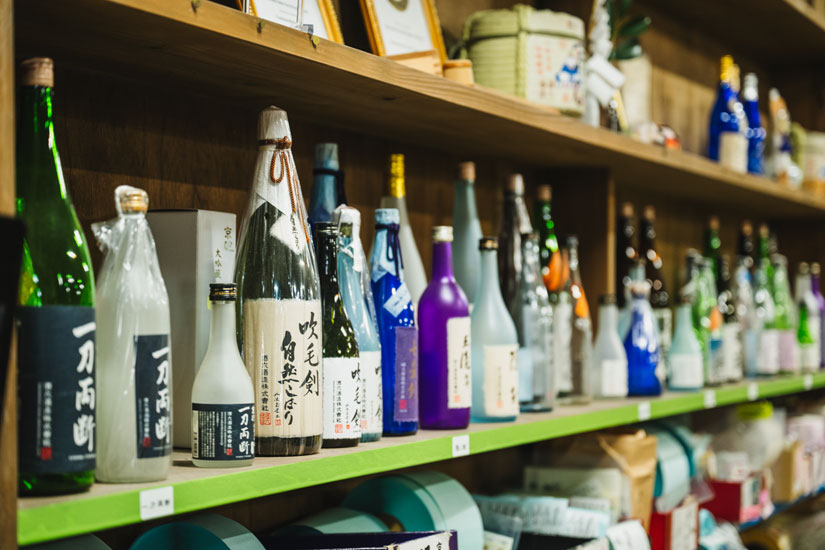
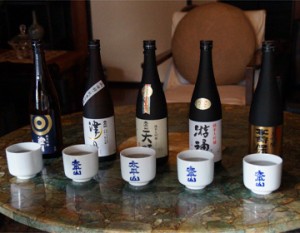
Sakaroku Shuzo’s main brand is “Kyohina.” Under this umbrella, a lineup of distinctive sub-brands—such as “Ichito Ryōdan” and “Suimōken”—are featured.
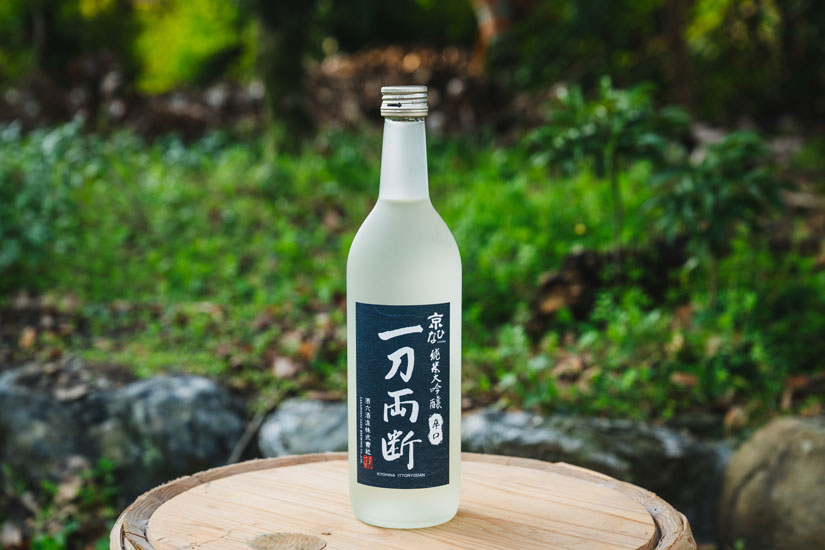
The flagship product is the dry junmai daiginjo “Ichidō Ryōdan.” It is made with Yamada Nishiki and Matsuyama Mitsui rice varieties grown in Ehime Prefecture. The rice polishing ratio is 50%. The umami of the polished rice spreads across the palate, and the finish is clean and crisp. While it has a dry and crisp flavor, it also offers a subtle hint of rice sweetness, and it is highly regarded for being a sake that never gets boring.
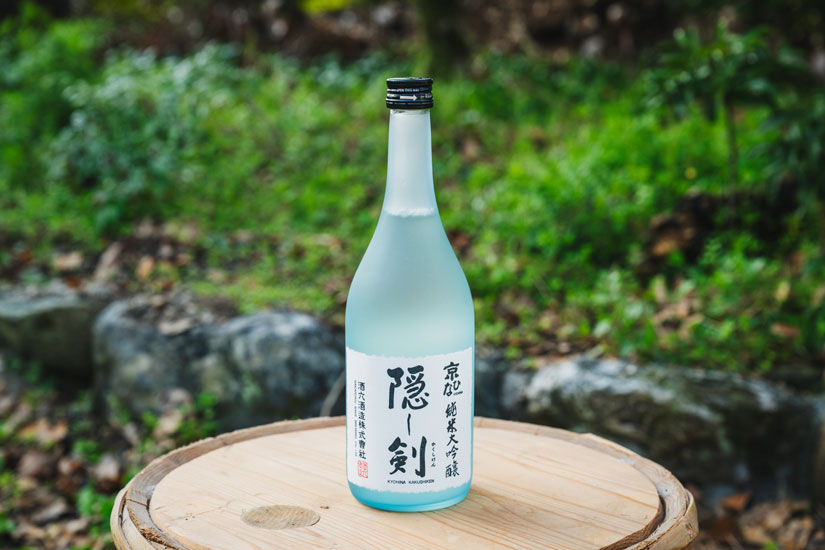
In addition, the brewery offers a range of distinctive brands, including the dry daiginjo “Kōsaburō,” the junmai daiginjo “Kakushiken,” and the junmai ginjo “Uchikozaza.” “Uchikozaza,” in particular, was created to commemorate the 100th anniversary of the Uchikozaza theater—built in Taishō 5 (1916)—and is an ambitious creation made using yeast unique to Ehime. In 2024, the brewery won a Gold Medal at the “SAKE COMPETITION” and Silver Medals in both the SAKE and Junmai categories at the “IWC (International Wine Challenge).”
“I’d be happy if our sake could be one of the elements that helps create those moments when customers gather around the table with their loved ones and share conversations.” Mr. Takechi’s sentiment has resonated, and “Kyohina” has received numerous inquiries from seafood-focused izakayas and yakitori restaurants, complementing a wide range of dining experiences that transcend the boundaries between Japanese and Western cuisine.
“While I do have some concerns about branding, I want to preserve what my father-in-law built, so I’m carefully carrying on these brands.”
In fact, the previous generation’s leader, Fujio Sakai, had aspired to be a film actor in Tokyo when he was young. He was part of the 13th class of Toho New Faces.
“When I look at old photos, he was a real heartthrob. I hear he retired from acting, returned to his hometown, and took over the family sake brewery—he had a sense of style that I just don’t possess. Back when sake was strongly associated with men, he focused on creating sake that women would find appealing. He used vibrantly colored bottles and came up with creative names. I think he was taking on challenges that were very innovative for his time.”
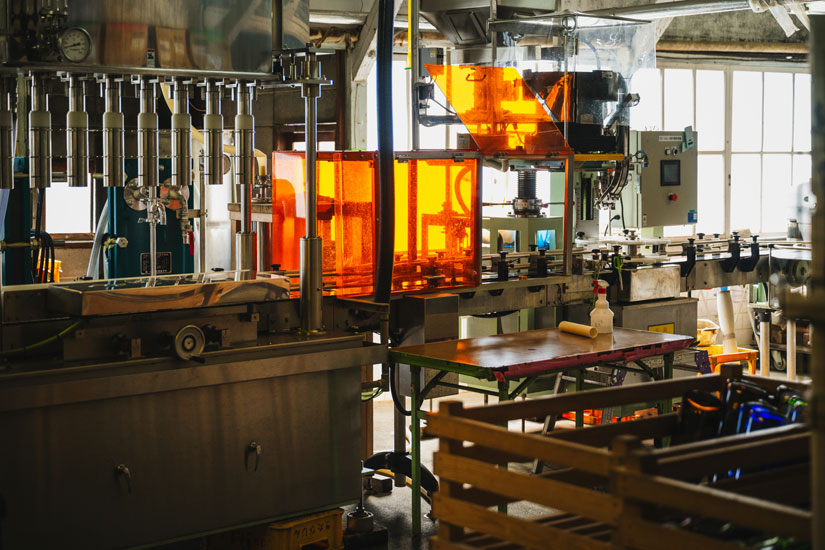
While remaining committed to the traditional, handmade production methods in the wooden warehouse that has been in use since the brewery’s founding, Mr. Takechi leveraged his experience as an engineer to drive efficiency improvements and capital investments. He implemented mechanization to maintain consistent quality even with a limited staff, while also establishing systems that allowed the team to focus fully on tasks—such as sensory evaluation and moromi management—that can only be performed by humans.
“Making good sake takes time and effort, but spending too much of it to the point where the brewery can’t survive defeats the purpose. We place great importance on balancing quality and business management.”
As a result, despite being a small brewery with a production capacity of 300 koku, the company has built a stable market with mid- to high-priced products and is expanding its sales channels both within and outside the prefecture.
Cherishing the bonds between people
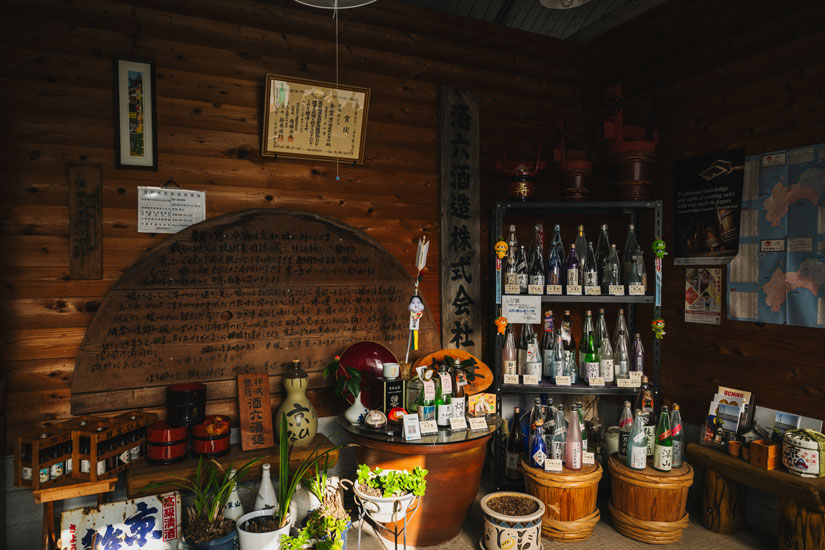
Sakaroku Shuzo’s sales model is based on a traditional system of authorized dealers where everyone knows each other personally. Rather than relying on wholesalers, the company has always prioritized building relationships of trust with local liquor stores. The history of the company—which has thrived by taking the encouragement and constructive criticism from these stores to heart—remains alive today.
“We sometimes receive harsh advice from the liquor store owners, but I’m actually grateful when they speak their minds clearly. After all, business is really all about the connections between people,” says Mr. Takachi.
Leveraging the connections he made during his time in Tokyo, the brewery owner has personally worked to increase direct contact with customers by hosting tasting events and sake gatherings—a significant factor in the company’s success. It is precisely because they are a small brewery that they are able to build trust through these personal, face-to-face relationships.
Looking Ahead to the Next 100 Years: Challenges and Prospects for the Future
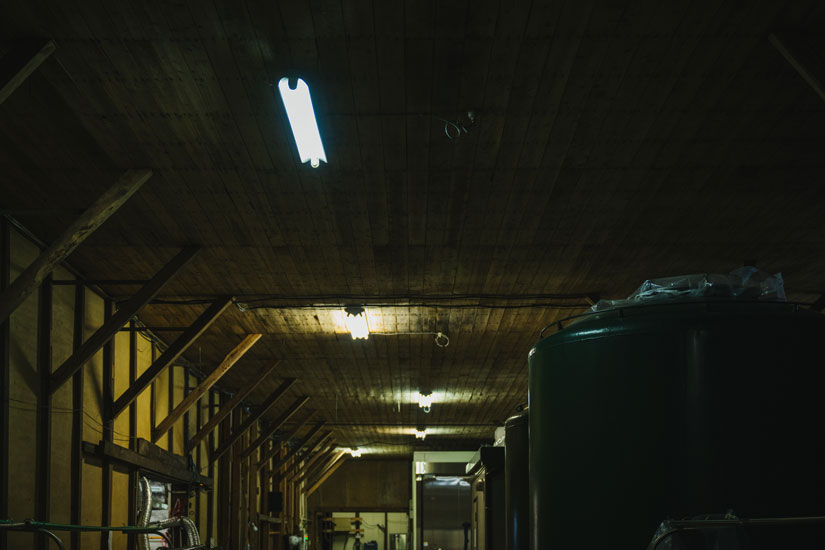
At the same time, there are challenges to face: rebuilding aging breweries, finding successors, and establishing a sustainable management structure. While sake brewing is a traditional industry, a business perspective is essential.
Mr. Takechi speaks about what makes a “good brewery” as follows:
“It’s a company where everyone—including the employees—can make a decent living. To ensure that the history of this brewery, which has endured for 100 years, is not cut short and to carry it forward into the next 100 years, we must generate profits and create an environment where our employees take pride in their work and want to continue. That is my role.”
His words convey both the level-headedness of a business leader and the passion of someone deeply involved in sake brewing.
“I believe sake is a culture that will never disappear, but it’s true that the industry is facing tough times. While each brewery is going through a process of trial and error, the sake that survives this period of consolidation will surely be recognized worldwide.”
From engineer to brewery owner. Mr. Takechi’s journey, guided by the flow of events, was both a coincidence and an inevitability. Supported by the natural beauty and the bonds of community in Uchiko Town, Sakuroku Brewery continues to take new steps forward today under the name “Kyohina.”