

Sake brewing, a tradition passed down through the mountains of Shimane Prefecture, is now gaining new momentum. Drawing on the history preserved by the Tanabe and Takeshita families, master brewer Ryota Hamazaki is crafting sake that resonates with modern lifestyles while working closely with the local water and rice.
The Tanabe and Takeshita Families: A Legacy of Sake Brewing
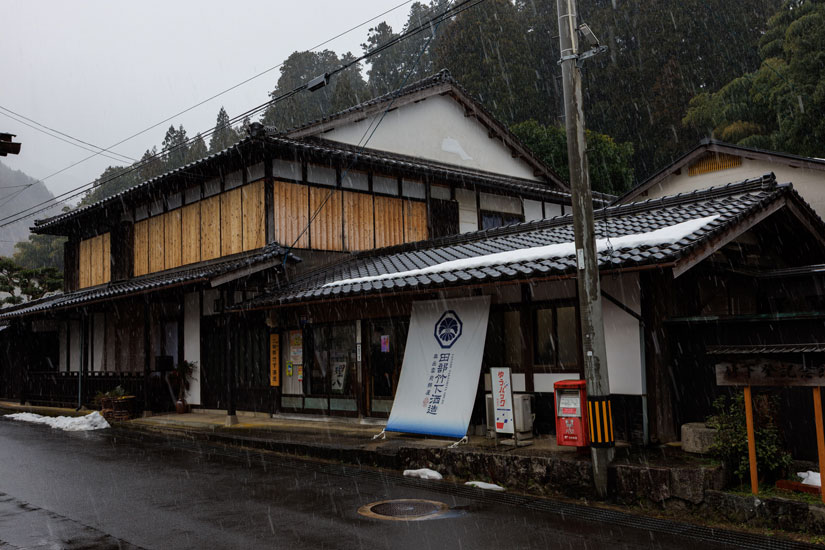
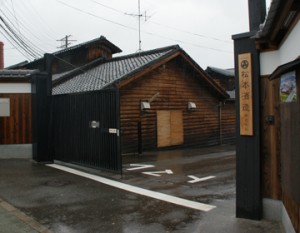
Located in Kakeya, Unnan City, Shimane Prefecture, “Tanabe Takeshita Sake Brewery” is a sake brewery built upon the history of two families: the Tanabe family, who were long involved in tatara ironmaking in Okuizumo, and the Takeshita family, who carried on their sake-brewing tradition. Today, the Tanabe family has once again taken over the business, and sake is being brewed at this location.
Sake Brewing and the Tatara Ironmaking Process
In Okuizumo’s Yoshida Town in Shimane Prefecture, the traditional Japanese ironmaking process known as “tatara” was once thriving. The Tanabe family served as the head of this industry and played a central role in supporting it as a pillar of the local community. Ironmaking required a large workforce; it is said that at its peak, more than 20,000 people were involved in the industry.
Among the various businesses the family operated—including tatara ironmaking—was sake brewing.
A Storehouse Passed Down Through the Generations—and Now Returned
However, toward the end of the Edo period, the warehouse was destroyed by fire. In 1866, the sake brewing license was transferred to the Takeshita family in Kakeya, Unnan City, and sake production was continued there.
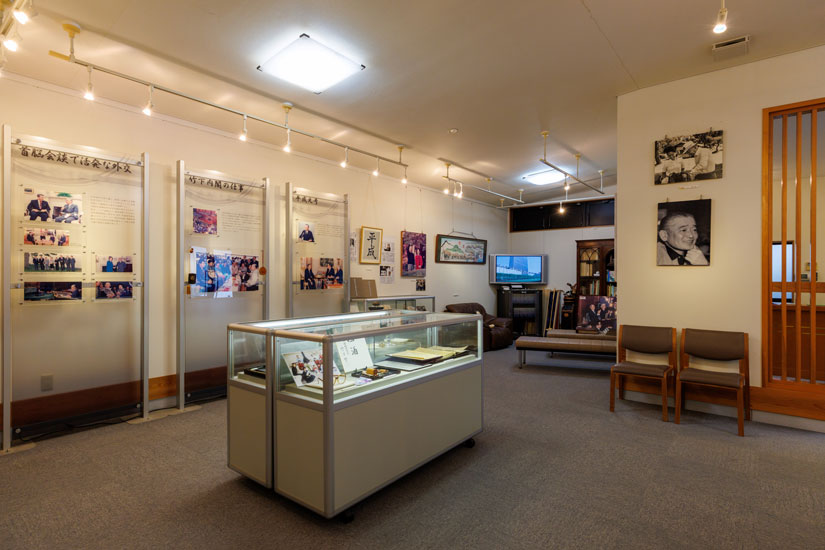
The Takeshita family is also the family of Noboru Takeshita, the 74th Prime Minister of Japan. Operating as “Takeshita Honten,” the family continued to preserve the tradition of sake brewing for over 150 years thereafter, but in 2003, they suspended brewing operations and switched to purchasing ready-made sake by the barrel.
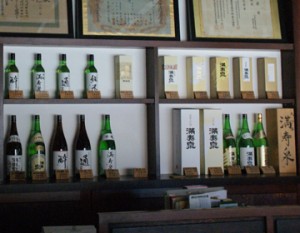
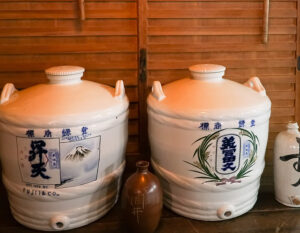
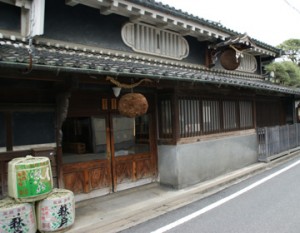
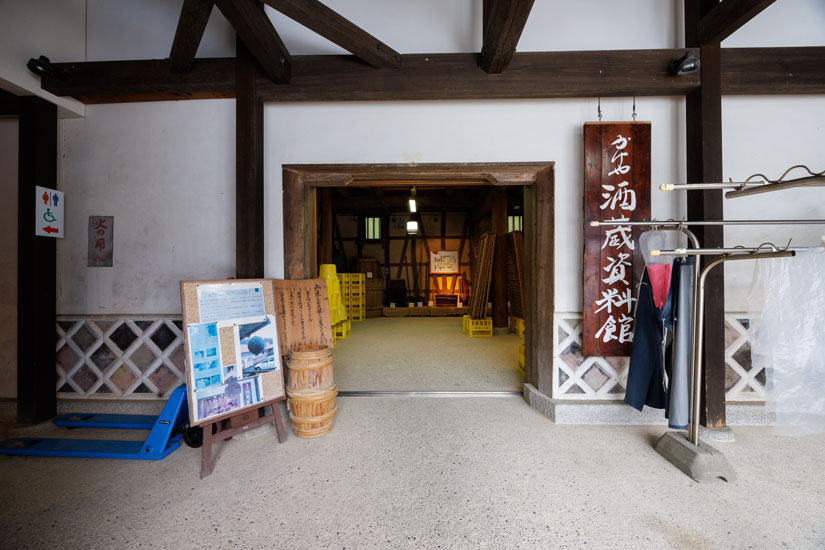
The disused sake brewery was donated to Unnan City and has been open to the public as the “Kakeya Sake Brewery Museum” since 2005. While the physical structure remains, its role as a place where sake is produced has been relinquished.
Then, in 2022, the Takeshita family faced the challenge of a lack of successors. It was the Tabe family—to whom they had once entrusted their sake-brewing license—that stepped in to help with business succession.
The history of sake brewing, passed down between the two families, led them to make a fresh start as Tanabe Takeshita Sake Brewery in order to preserve that legacy.
Master Brewer Ryota Hamazaki and a New Form of Sake
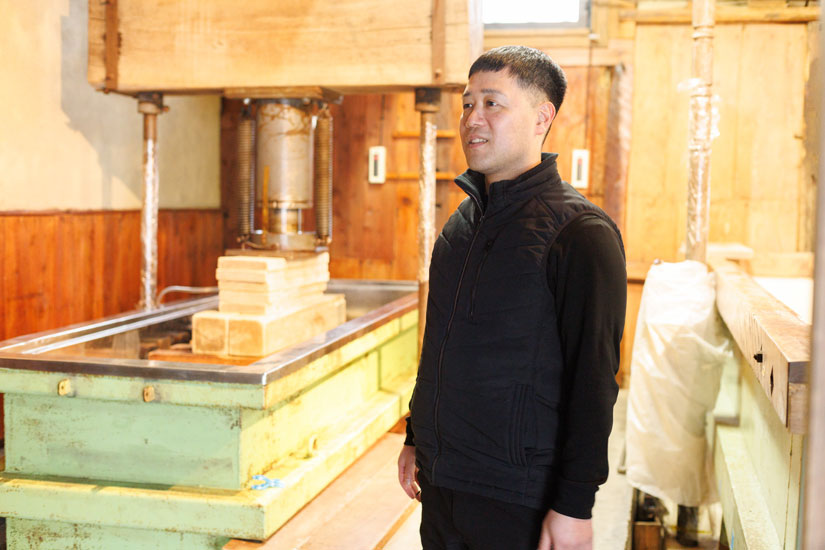
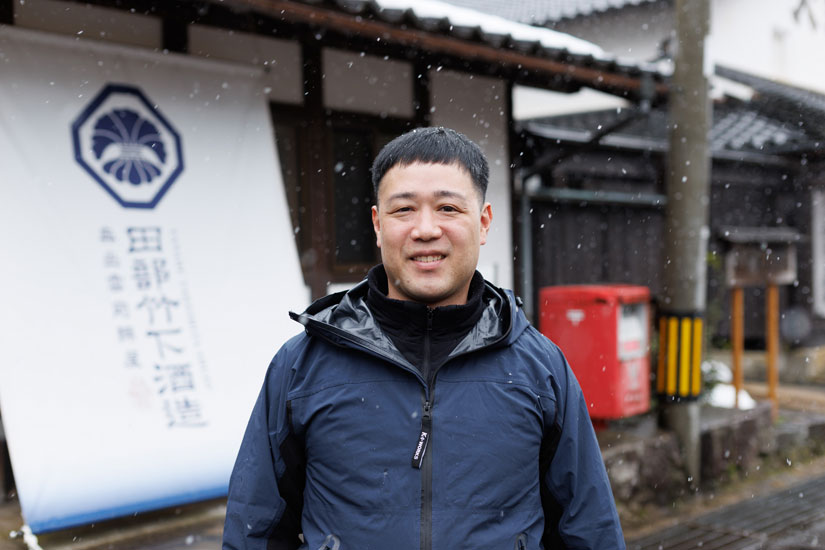
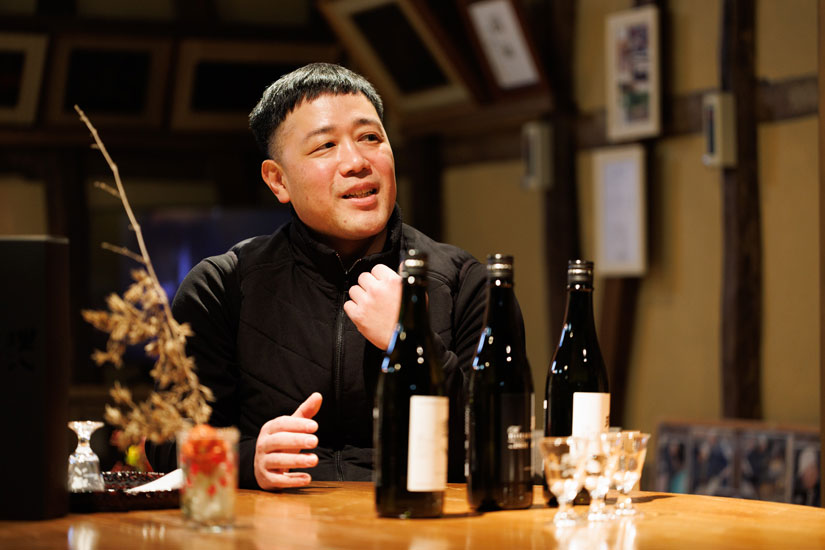
The head brewer at Tanabe Takeshita Sake Brewery is Mr. Hamazaki, a native of Fukuoka Prefecture. He studied environmental microbiology in college. It was during that time that he heard, “Sake has the most difficult brewing process of any alcoholic beverage,” which sparked his interest in sake.
Mr. Hamazaki then embarked on a career in sake brewing, training at breweries in Okayama and Aichi to gain hands-on experience.
It was during this time that he heard about the search for a successor at Tanabe Takeshita Sake Brewery. “I told myself I’d go anywhere as long as I could brew my own sake,” he said. True to his word, he decided without hesitation to head to Shimane.
Kakeai, which he visited for the first time, was a quiet town surrounded by mountains. It was also a place where a culture of fermentation thrived in everyday life, with families still making their own miso by hand.
Brewing Sake from Scratch: Our Goal Was “The Summer Sea of San’in”
When Mr. Hamazaki took over the brewery, sake production had already ceased at this location. Although a master brewer had been selected, the facilities needed for brewing were not in place. It was truly a matter of starting from scratch.
Faced with a brewery that had been unused for a long time, the first task was to prepare the space so it would be suitable for brewing sake. He identified which pieces of the old equipment were still usable and retained them, while adding new equipment where necessary.
In 2022, the environment for sake brewing was finally in place, and in the early stages of the relaunch, they conducted repeated test brews. While exploring yeast strains and brewing conditions, they began to shape the profile of the sake they aimed to create in this region.
Through this process, Mr. Hamazaki envisioned “a sake with the clarity of the San’in Sea in summer.”
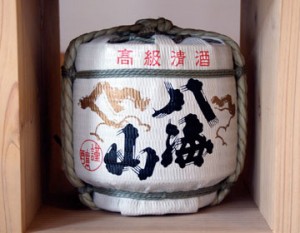
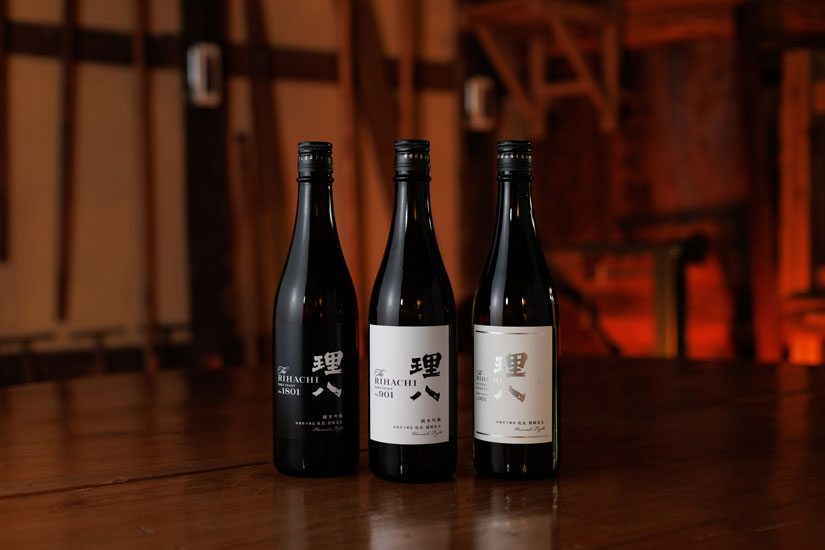
The result of this journey was “Rihachi.” Named after the head of the Takeshita family at the time the brewing license was granted, this sake embodies a deep respect for history.
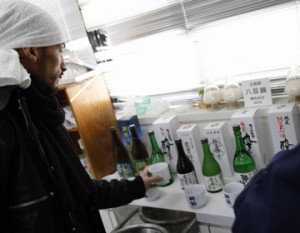
Fruity and clear, yet not too light—it offers a flavor that invites you to keep drinking. Rather than seeking flashiness, the goal is to create a sake that is naturally chosen as part of everyday life.
The Sensations of the Sake-Brewery Floor
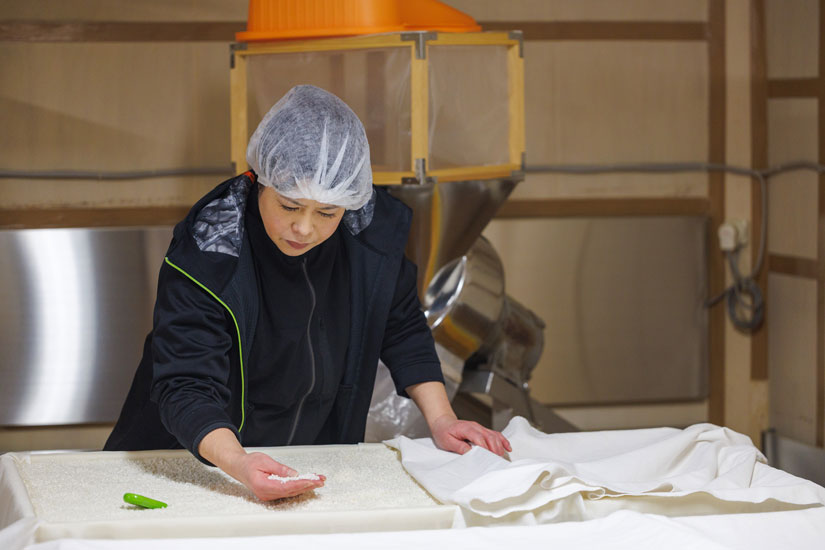
Sake brewing begins with handling rice and water: washing the rice, steaming it, making koji, mashing, and fermentation. Each of these steps builds upon the others, ultimately shaping the flavor of the sake.
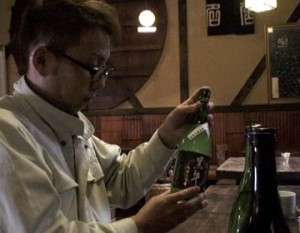
While controlling temperature and timing is, of course, important, Mr. Hamazaki says he “deliberately avoids relying on data.” He values brewing sake based on his accumulated experience, while using his five senses to detect subtle differences—such as aroma, the condition of the foam, and changes in sound.
Sometimes he even visits the brewery in the middle of the night. Because sake is constantly changing, he must stay attuned to its evolution at all times.
Mr. Hamazaki says, “The real sake brewing begins after the sake is pressed.” Sake brewing continues not only through the production process but also through subsequent management and distribution. For this reason, Tanabe Takeshita Sake Brewery sells its products directly to consumers, bypassing wholesalers. This decision prioritizes quality control and the speed with which the sake reaches consumers.
Sake Brewing That Bridges the Next Generation
Meanwhile, Tanabe Takeshita Sake Brewery is currently investing approximately 1.2 billion yen to construct a new brewery within the city. The company aims to relocate there in May 2027. The new facility will feature year-round brewing with fully controlled temperature and humidity, enabling the brewery to supply sake of consistently high quality throughout the year. The plan is to increase production to 161,100 liters—more than seven times the current output—by the fiscal year ending September 2030.
Of course, even as the scale changes, their approach to sake brewing remains unchanged. Looking ahead, they are also considering a brewing process that fully incorporates local water and rice, creating a self-contained production cycle within this region.
There is no guarantee that the sake we enjoy today will be in demand in the same form 50 years from now. Nevertheless, continuing to brew sake in this very place is what connects us to the next generation.
From the Tanabe family to the Takeshita family, and back to the Tabe family again. The legacy of sake brewing, passed down through the generations, continues to this day.