
On the banks of the Takase River, which flows through Izumo City, stands the indigo dyeing workshop “Nagata Dyeing Workshop.” Once, dozens of dyeing shops lined this riverbank, but today this workshop is the only one that carries on that tradition. The work of engaging with indigo while preserving the traditional “tsutsugaki aizome” technique continues to be quietly passed down to this day.
Indigo Dyeing in Izumo, a Tradition That Has Endured Alongside the Takase River
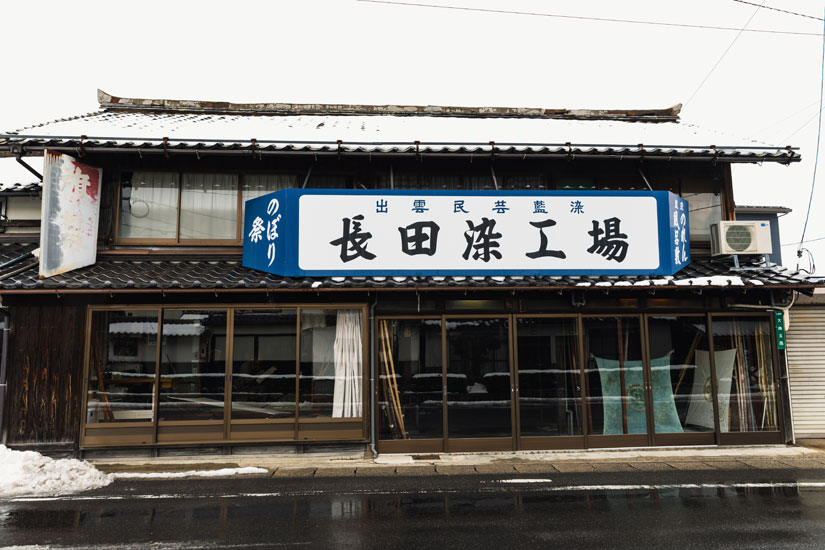
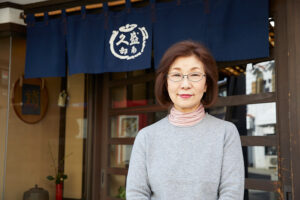
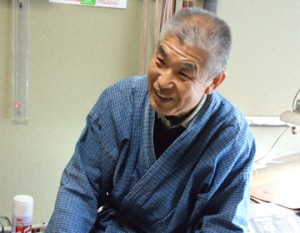
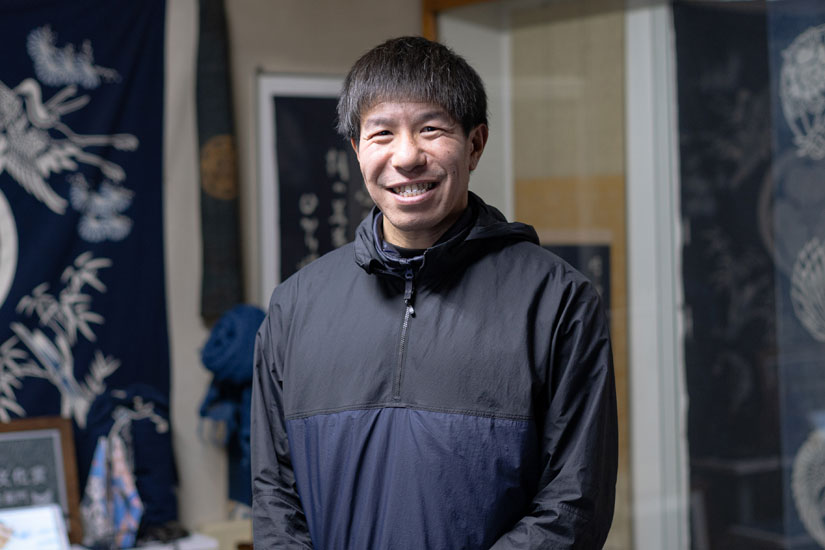
The Takase River flows through the city center of Izumo. The “Nagata Dyeing Workshop” is located along its banks. It was founded approximately 130 years ago. Today, Masao Nagata, the fifth-generation owner, works alongside the fourth-generation owner to preserve the workshop and continue the tradition of indigo dyeing.
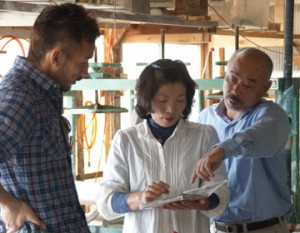
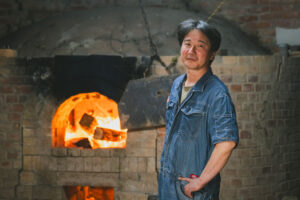
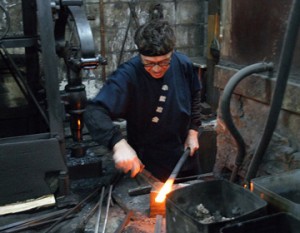
The workshop building exudes a sense of its long history, and the workspace is lined with dyeing tools and fabrics. The indigo dyeing process uses unglazed Iwami-yaki earthenware jars produced in western Shimane Prefecture. It is said that more than forty indigo jars were lined up here when the workshop was first established, but only eight remain today. Even so, they continue to use the jars passed down from those early days to carry out the indigo dyeing process.
The only workshop in Izumo that carries on the tradition of tsutsugaki indigo dyeing
River water is essential to the dyeing process, and this region, through which the Takase River flows, was ideally suited for dyeing work. However, as times changed, demand for dyed goods declined, and the number of workshops gradually dwindled. Even nationwide, there are only about three or four workshops that continue to practice the traditional “tsutsugaki indigo dyeing” technique. Amidst this situation, the “Nagata Dyeing Workshop” is one of the very few workshops in Japan that has preserved this traditional technique—using the same tools and methods—with virtually no significant changes since its founding.
What Is “Tsutsugaki Indigo Dyeing,” Which Preserves the Artistry of Hand-Painting?
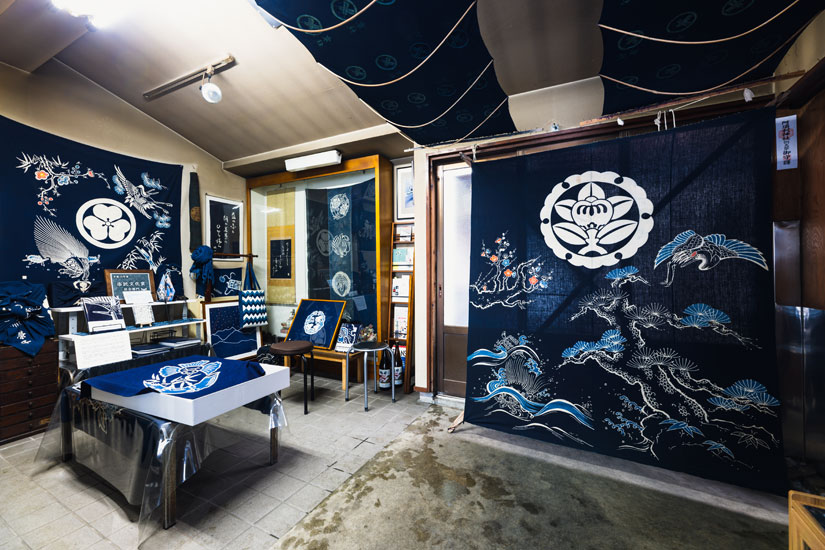
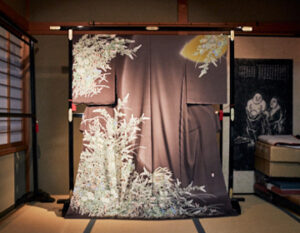
“Tsutsugaki indigo dyeing” is a type of “post-dyeing” technique in which patterns are drawn on the fabric with starch paste before being dyed with indigo. When the dyed fabric is rinsed with water, only the areas covered with starch paste remain white, causing the patterns to stand out. Unlike “stencil dyeing,” which allows the same pattern to be repeated, this technique is characterized by the unique, free-flowing lines and dynamic quality that come from hand-drawing.
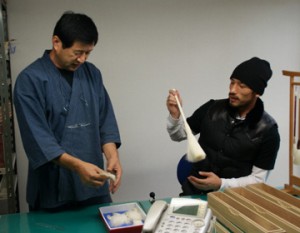
The process begins by sketching a design using stencils passed down through generations. Paste contained in a tube is then squeezed out by hand to draw the lines. Once the drawing is complete, rice bran is sprinkled over the design to set the paste.
The fabric is then dyed and dried in a cycle repeated over a dozen times. Since indigo oxidizes when exposed to air, gradually developing a blue hue, the color becomes richer and deeper with each cycle.
Finally, the paste is carefully washed off in the Takase River flowing right before their eyes, and the fabric is spread out on bamboo poles to dry. Of course, environmental considerations are also taken into account, such as using naturally derived materials—including rice flour, rice bran, and salt—for the paste. This is how a single piece of fabric is completed. For larger pieces, it can take more than three weeks to finish.
The Delicate Artistry of Tsutsugaki, Captured in Every Line
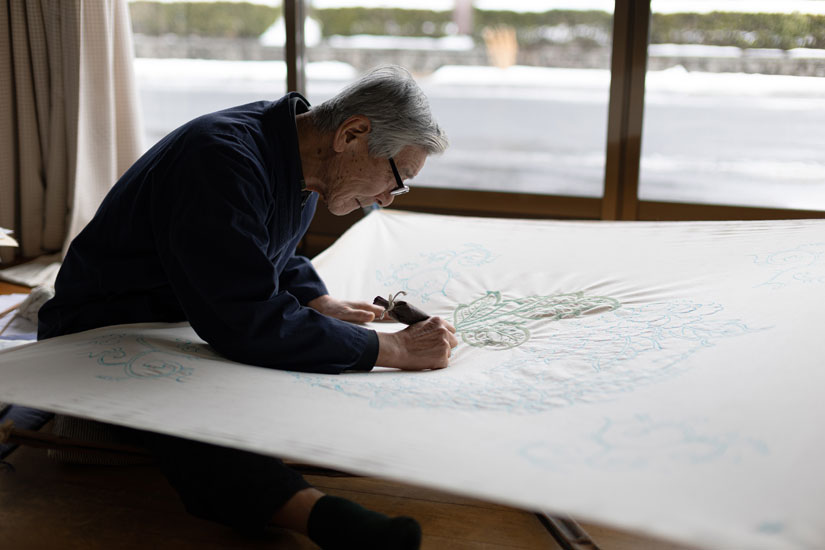
The paste used to draw the patterns is made from 100% glutinous rice. After finishing the design, rice bran is sprinkled over it to prevent the dye from seeping into the fabric.
It takes many years of experience to continue drawing while applying the paste in an even, consistent line. Even the slightest variation in pressure will cause the line width to change.
Although there is a preliminary sketch, simply tracing it exactly as it is isn’t interesting, says Ms. Osada. “I want to create powerful designs that make people stop and take notice.” Her words convey her deep passion for hand-painted work.
Indigo-dyed items deeply rooted in the daily life of Izumo
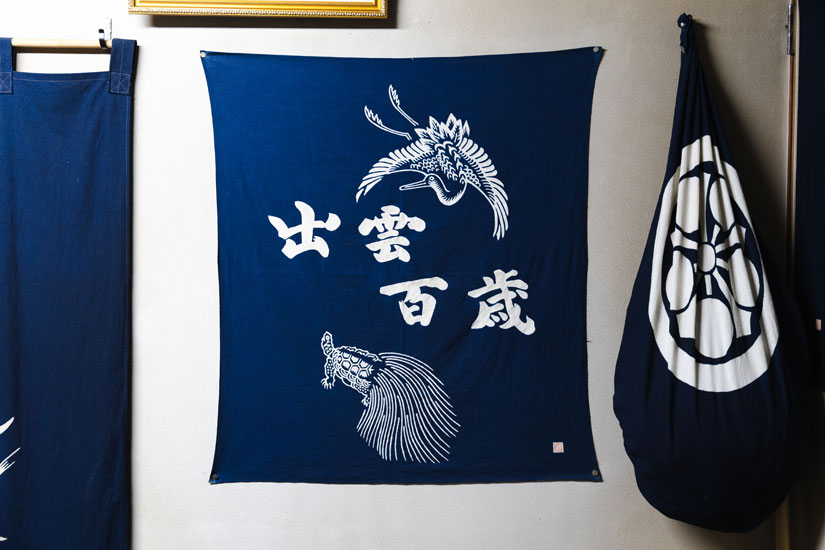
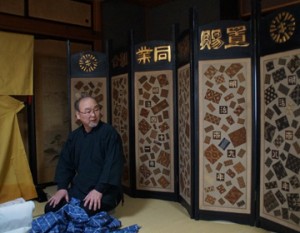
In the past, indigo-dyed fabrics were widely used in daily life in the Izumo region. In particular, it is said that items dyed with the “tsutsugaki” technique were prepared as part of a bride’s dowry for weddings. Various everyday textile products—such as futons, bedding, oil cloths, furoshiki wrapping cloths, lantern bags, and umbrella bags—were dyed with indigo.
The standard design featured the family crest in the center of the fabric, with auspicious motifs such as cranes, turtles, pine, bamboo, and plum blossoms depicted in the four corners. These designs were imbued with wishes for the family’s prosperity and the couple’s long life.
These indigo-dyed fabrics were also cherished items that added color to the milestones of daily life.
The Indigo Color That Deepens with Use
Although indigo dyeing is rarely seen today as part of wedding traditions, traces of it remain in items such as furoshiki.
Indigo-dyed fabric is durable and resistant to moths. As it is used over time, the color settles into the fabric, giving it a subdued, matured appearance.
While the vivid indigo blue of a brand-new piece is beautiful, the color gradually softens over time and blends into everyday life. This transformation is one of the charms of indigo dyeing.
Indigo: A Natural Dye
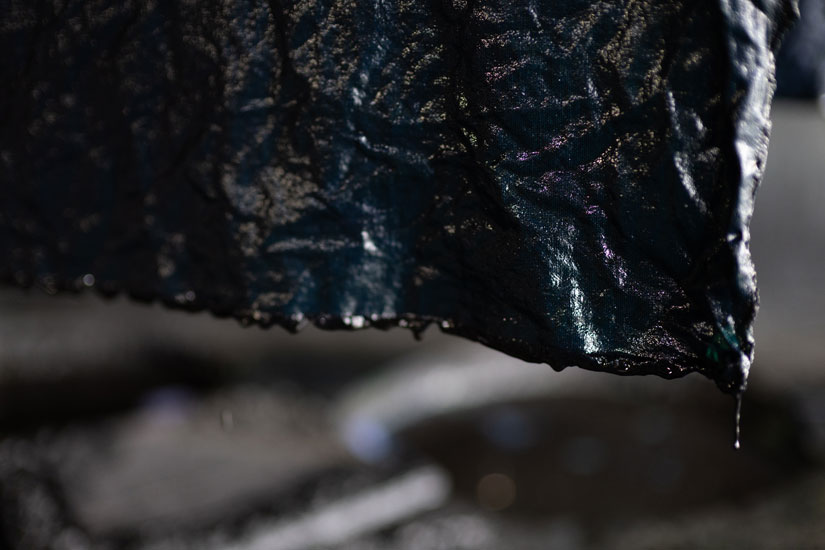
The indigo dye used at the “Nagata Dyeing Factory” is a natural indigo known as “sukumo.” It is produced over a period of about 100 days by harvesting and drying the leaves of the indigo plant, then subjecting them to repeated cycles of fermentation and aging.
The Nagata family has its roots in Tokushima, a major production area for sukumo, and previously used sukumo produced there. Currently, they use sukumo produced in Harima, Hyogo Prefecture. Indigo dyeing in Harima has been known since ancient times, but it once declined and was revived about 10 years ago.
Natural indigo is a dye that requires both time and effort, but it produces a unique, deep hue. At the Nagata Dyeing Factory, the tradition of dyeing with this natural indigo continues to this day.
“Indigo Is Alive”: Color Changes Brought About by Fermentation
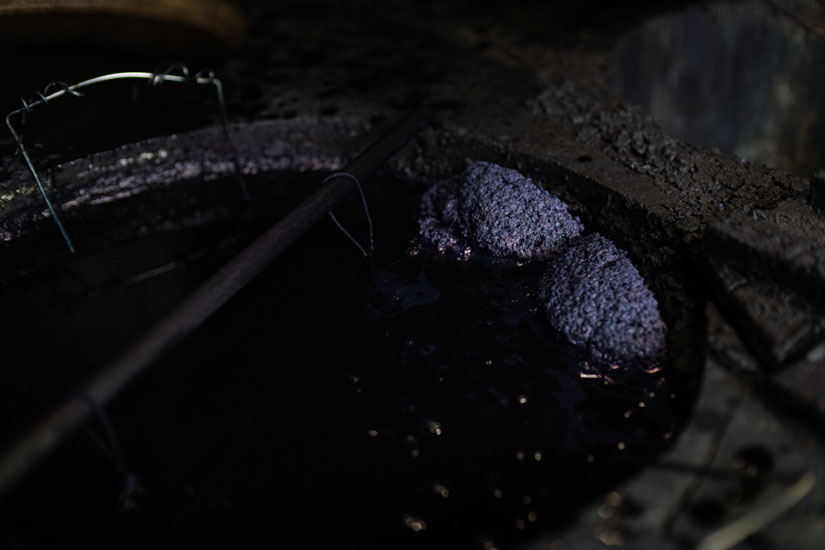
Inside the indigo vat, microorganisms continue to work. Their activity varies depending on temperature and humidity, causing the resulting shade to change ever so slightly.
Peering into the indigo vat, Ms. Nagata says:
“The indigo is alive inside.”
The dyeing process proceeds while observing the condition of the indigo. The rate of fermentation differs between summer and winter, and the resulting color also changes. Ms. Nagata particularly favors “winter dyeing.” She explains that dyeing in the cold winter air produces a crisp, well-defined color—a subdued indigo blue.
Even when following the same process, the color never turns out exactly the same. Accepting these variations as the dyeing progresses is both the challenge and the appeal of indigo dyeing.
To Indigo, Which Continues to Be Used in Everyday Life
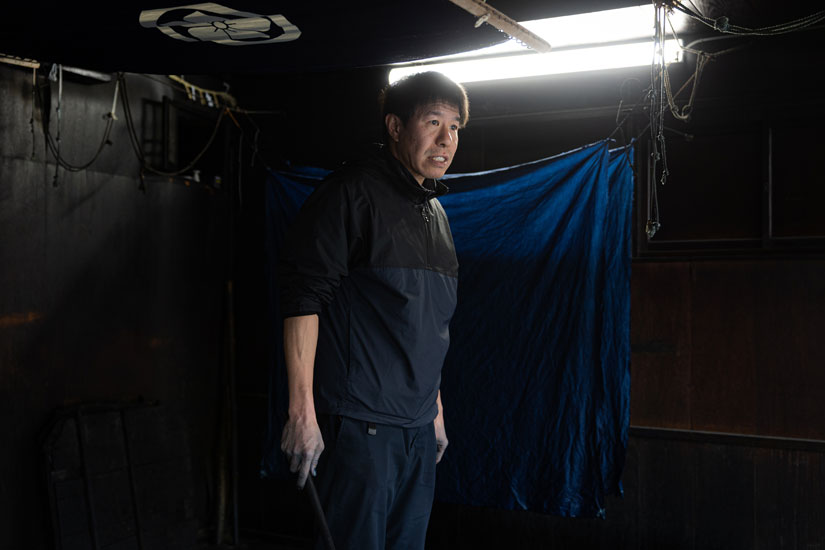
Ms. Nagata says she doesn’t want to make indigo dyeing something special.
“Indigo dyeing was originally something used in everyday life,” she says.
True to her words, her workshop focuses on creating products—such as scarves, coasters, and book covers—that can easily be incorporated into modern life. It’s an effort to bring indigo, which was once a part of daily life, back into our present-day lives.
For Ms. Osada, indigo dyeing is more than just a job. It is her life and her way of living. She not only preserves the techniques passed down to her but also gradually adapts them to forms that can be used in today’s lifestyle. It is this cumulative effort that will shape the future of indigo dyeing.