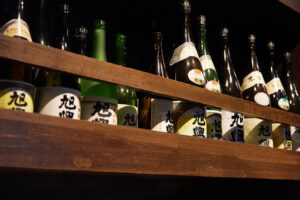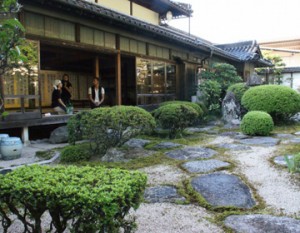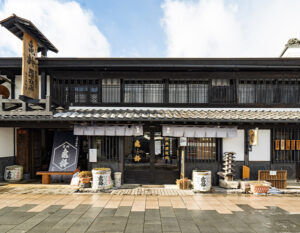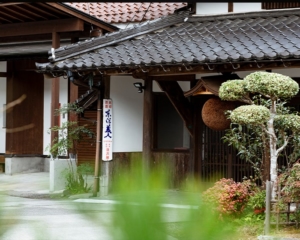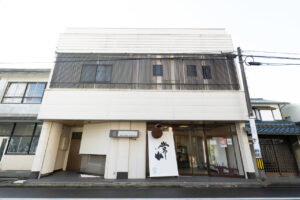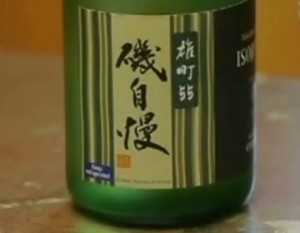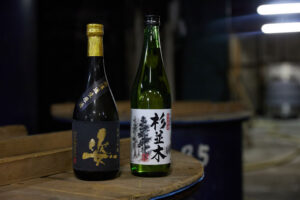

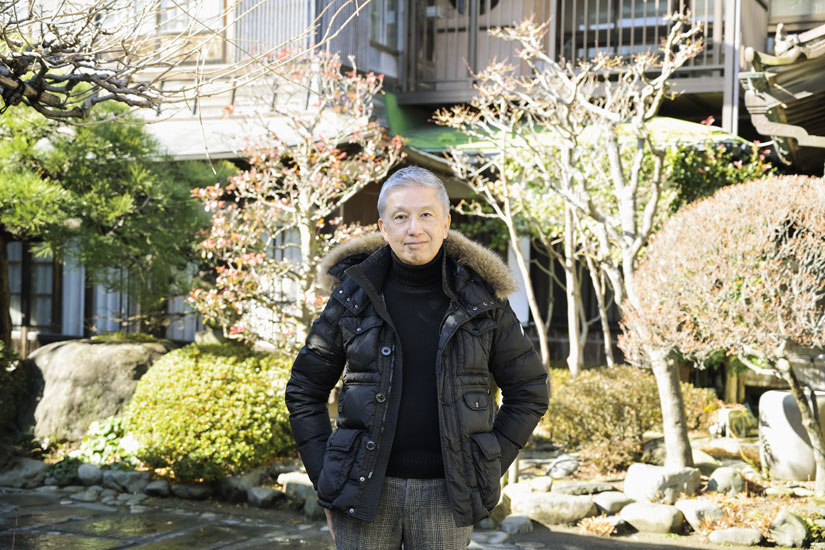
Hirako Shuzo, brewing sake since 1861 in Ishinomaki City, home to the Sanriku and Kinkasan offshore fishing grounds—one of the world’s three great fishing areas. Their flagship brand, “Hitakami,” is a sake dedicated not to competing for flamboyance, but to enhancing sushi. Meticulous fermentation control, possible only in a small brewery, and sake born from land sharing the fishing grounds now earns deep trust from sushi chefs nationwide.
“Sake that pairs well with sushi” wasn’t the original goal
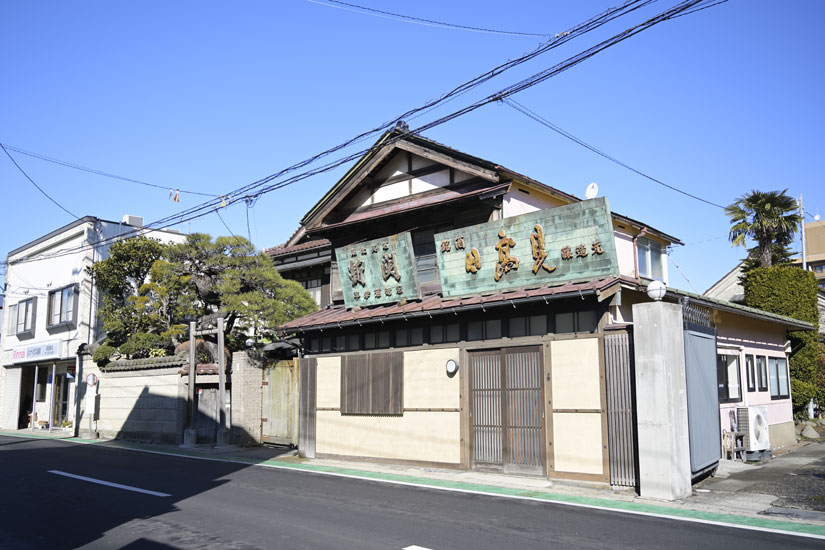
Hirako Shuzo’s “Hitakami” has won a total of 18 gold medals at the National New Sake Appraisal and has also been honored with the Miyagi Prefectural Governor’s Award (the highest prize) at the Miyagi Prefecture Sake Appraisal. However, the path to being recognized as “sake that pairs well with sushi” was far from smooth sailing.
The resolve that began with the declaration to “close the brewery”
Born as the son of the fourth-generation owner of Heikō Shuzō, Takahiro Hirai had no intention of taking over the family business after graduating from a university in Miyagi Prefecture. He instead found employment in Tokyo. However, a turning point came suddenly. In his second year as a working adult, his father came to Tokyo and announced, “We’re closing the brewery.”
At that time, the sake industry was under pressure from shochu and beer, with many breweries closing down. While Heikō Shuzō had long been beloved locally under the brand name “Shinzeki,” its performance had significantly declined. Working in the sake division of a wholesaler, Hirai began to recognize the appeal of his family business through his interactions with various breweries and sake companies.”I couldn’t accept why we had to close. Even if my father couldn’t do it, I could,” he strongly protested, deciding to take over the brewery. He returned to Ishinomaki in 1987, but achieving his ideal sake-making didn’t happen immediately.
Days of searching for a unique identity to create marketable sake
After the bubble burst, the sake industry was in the midst of fierce price competition. Mass production and mass distribution became the norm, leaving small regional breweries with no choice but to load their trucks and sell door-to-door. Though Hirai had taken over with high hopes, he often found himself wanting to turn away from the harsh reality, far tougher than he’d imagined.
Meanwhile, signs of a local sake boom were emerging, demanding answers to “how to deliver it” and “how to get chosen.” Existing products like “Shin-Sekki” couldn’t sustain the business, and he agonized constantly over the future. It was during this struggle that he arrived at “Hidaka-mi.”
“While randomly researching discontinued products, I noticed ‘Hidakami,’ a sake my father had brewed. I liked the sound of ‘looking up to the sun.’ Upon investigation, I learned it was a term deeply connected to this region. I felt it was fitting for us, brewing sake in Ishinomaki.”
The name “Hidaka-mi” embodies both the land’s history and their own resolve. They resolved to reintroduce this name, carrying both meanings. They then decided to streamline their product lineup and refresh their brand image, shifting from “Oyasan Seki” to “Hidaka-mi.”
Shifting Focus to “Sake That Pairs Well with Sushi”
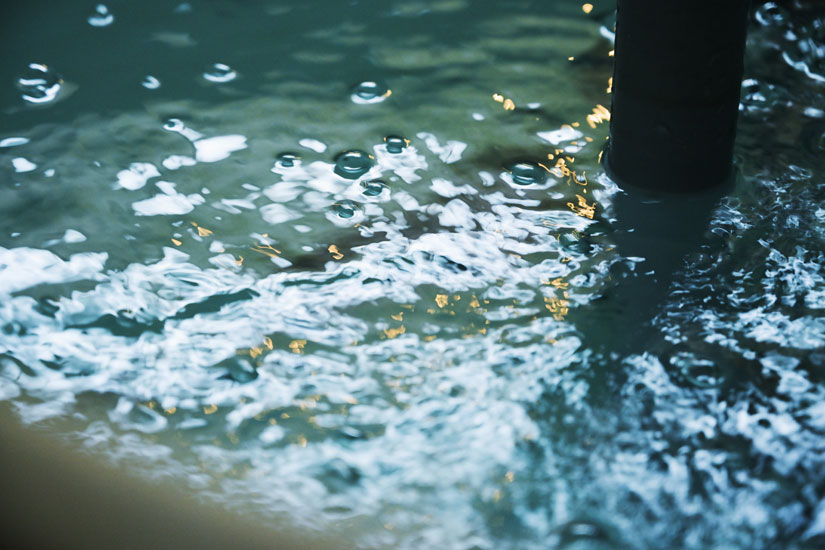
In 1990, sales of the ginjo sake “Hidakami” began. At that time, the sake market tended to view ginjo status as a benchmark for quality, making it essential to first establish a foundation for recognition. Before articulating a clear concept, this was a tactical move to stand at the starting line where brewers could be fairly evaluated. They continued selling the sake while developing distribution channels, but the situation didn’t improve immediately.Faced with the reality of not being chosen, we continually pondered not just how to brew, but “what purpose this sake serves.”
Finding a path forward in its role to complement cuisine
The clue to becoming a “chosen sake” came when a colleague studying brewing at the Brewing Research Institute invited him to a sushi restaurant in Kanazawa. The sushi served there wasn’t part of a course meal; the sushi itself was the star. For Hirai, who was used to eating sushi within kaiseki cuisine, this experience was a shock. He was moved by how the rice and topping became one, melting in his mouth.When he asked the sushi chef to pair his sake with the sushi, he received an unexpected response.
“The aroma is good. But when paired with the sushi, the sake overpowers it.”
In that moment, he realized that a sake with a bold, floral aroma could overwhelm the delicate qualities of a dish like sushi. “Sake shouldn’t be the star; it should support the food,” he decided. “ I’ll make a sake that doesn’t interfere with sushi’s subtlety, but rather enhances it. “
The “ultra-dry junmai sake” he arrived at after years of effort
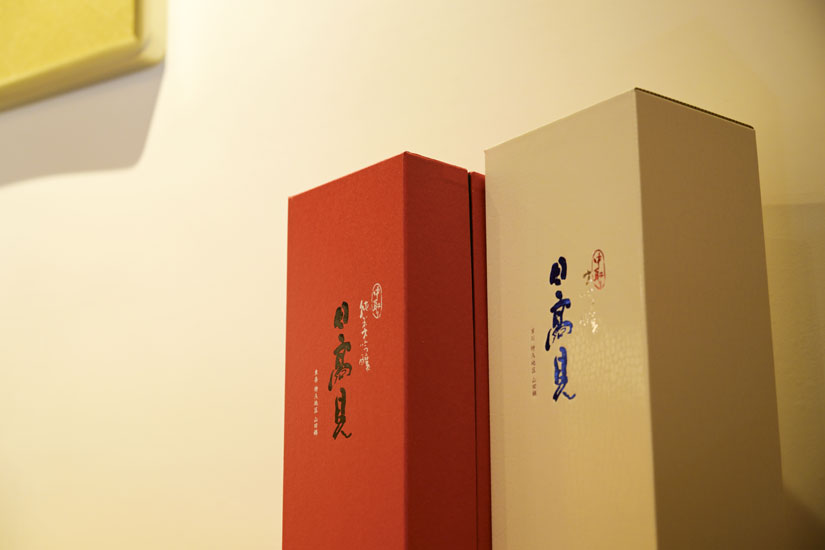
The sake aimed for as a perfect match for sushi was an ultra-dry junmai sake with a clean finish and no off-flavors. The goal was to not interfere with the delicate umami and flavors of seafood, while gently washing down the fat and the sweetness of the rice. To determine the ideal level of dryness for sushi, the brewer conveyed the vision, repeated the brewing process, and brought samples to sushi restaurants, enduring harsh critiques each time.
Through meticulous fermentation control and aging, we finally perfected “Hidakami Ultra Dry Junmai Sake” in 2008. It holds its character perfectly whether served chilled or warmed, enhancing the umami of fish.
Its soft mouthfeel and clean finish, especially its excellent pairing with red fish, earned it high praise as a dining sake. Born in Ishinomaki, where delicious seasonal fish are caught year-round, it adopted the catchphrase: “If you’re pairing with fish, it’s got to be Hidaka-mi.”
Facing adversity and refining quality
However, the Great East Japan Earthquake struck in 2011, with its epicenter in the Pacific off the Sanriku coast. “Just as we were getting started, the disaster hit,” recalls Mr. Hirai.
Moving forward with the support of sushi chefs
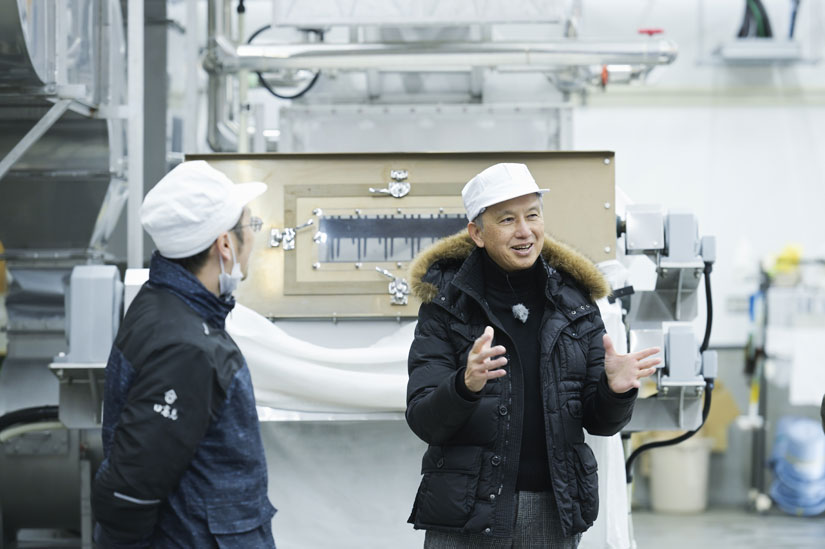
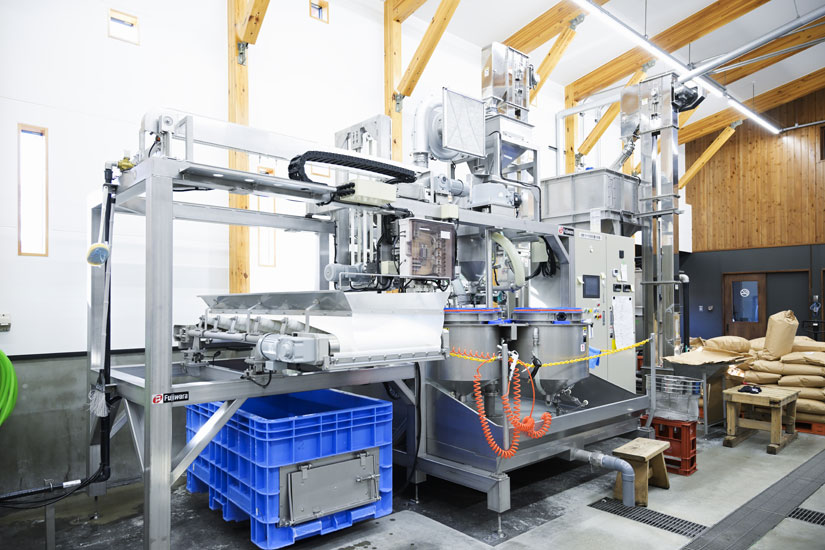
The Great East Japan Earthquake inflicted devastating tsunami damage on Hirako Shuzo. The koji room, shubo room, and fermentation room—essential for sake brewing—became unusable, plunging the brewery into an uncertain future. Yet Hirai remained forward-looking: “True recovery means evolving from this point.” He renovated the entire facility with stainless steel, establishing an environment enabling strict temperature and hygiene control. The brewery was reborn, capable of pursuing even more stable quality than before.
A major source of support during this rebuilding process came from the sushi chefs he had befriended while searching for “sake that pairs well with sushi.” They rushed to Ishinomaki with their teams to provide meals.
Continuing to Release New Products Without Pause
Born during this rebuilding effort was the Junmai Ginjo sake “Yasuke,” released in 2012.Off the Sanriku coast and Kinkasan Island, seafood with a delicate sweetness—such as shellfish and white-fleshed fish—is commonly landed. However, the “Hidakami Super Dry Junmai Sake” sometimes overemphasized this subtle umami. Thus, “Yasuke” was born, aiming to be a softer sake that enhances the natural sweetness of ingredients.
Its defining characteristic is the harmonious balance of a rich, full-bodied umami flavor and a sharp, clean finish. While offering a gentle taste, its transparent clarity allows it to slip away smoothly, ensuring it doesn’t overpower the lingering flavors of food. It is particularly renowned for its excellent pairing with sweet seafood like white fish and squid.At the “SAKE COMPETITION 2025,” which determines the world’s best commercially available sake, it won Bronze in the Junmai Ginjo category.
The sake’s name originates from the kabuki play “Yoshitsune Senbonzakura” and has historically been used in the entertainment district to refer to sushi. It revives this name in modern times, embodying respect for sushi culture and the connection with sushi artisans.
Through sake brewing, we aim to create moments of happiness for those who drink it.
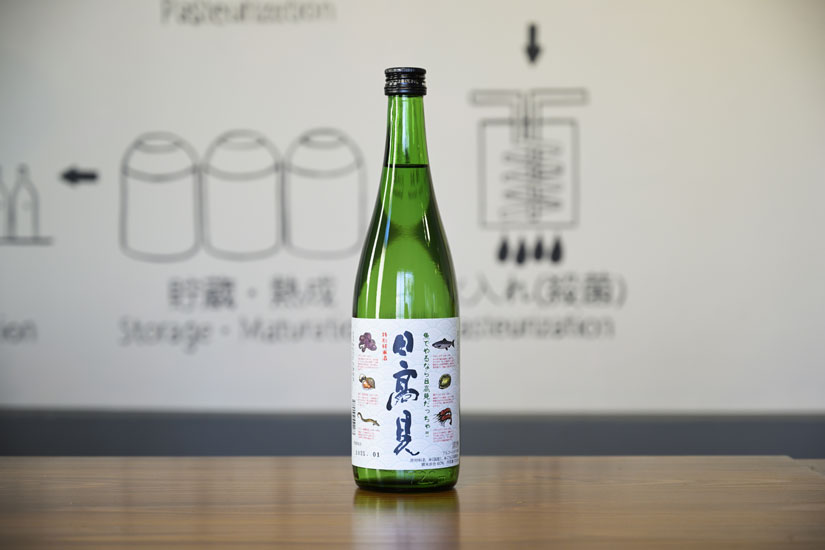
“We want to be the unsung hero supporting the deliciousness of sushi,” says Mr. Hirai. For him, Hidaka-mi is not a sake that asserts itself. Based on the pairing concept where food and sake complement each other’s flavors, the focus is on enriching the sushi-eating experience itself.
While currently exporting overseas, they avoid indiscriminately expanding distribution channels. They engage only with chefs and restaurants who share their philosophy and approach them saying, “We want to use Hirai’s sake.”
Hidaka Shuzo, bearing the name of the sun-blessed land “Hidaka Country,” continues to challenge itself in sake brewing that can only be done here, in this land, in this brewery. Today, “Hidaka” is a sake you’ll almost certainly find in any sushi restaurant. We encourage you to try it as a sake that makes that moment of bringing sushi to your mouth an even more special time.