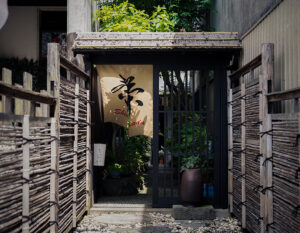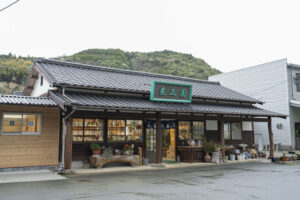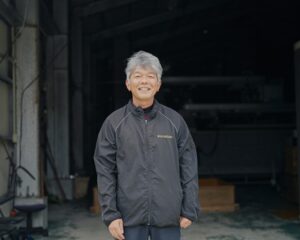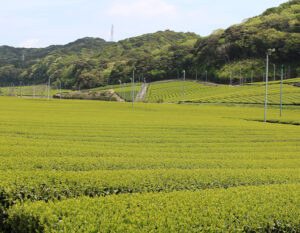

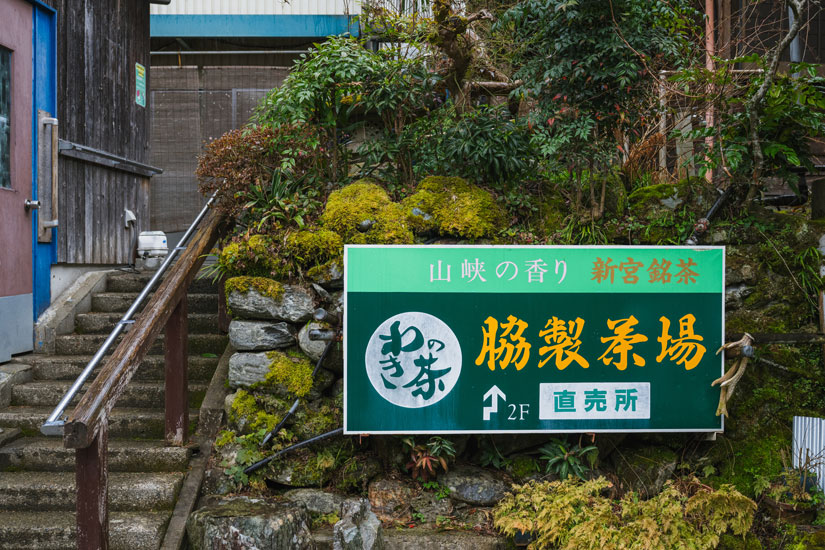
Shingu Tea, produced in the mountainous area of Shingu Town, Shikokuchuo City, Ehime Prefecture, is known for its refreshing taste that doesn’t tire the palate, drawing out the excellent aroma inherent in the Yabukita variety. What is the appeal of Shingu Tea, nurtured by the region and its history, as envisioned by the third-generation owner, Toshiya Waki, and the fourth-generation owner, Junki Waki, of Waki Tea Factory?
From Native Habitat to Tea-Producing Region
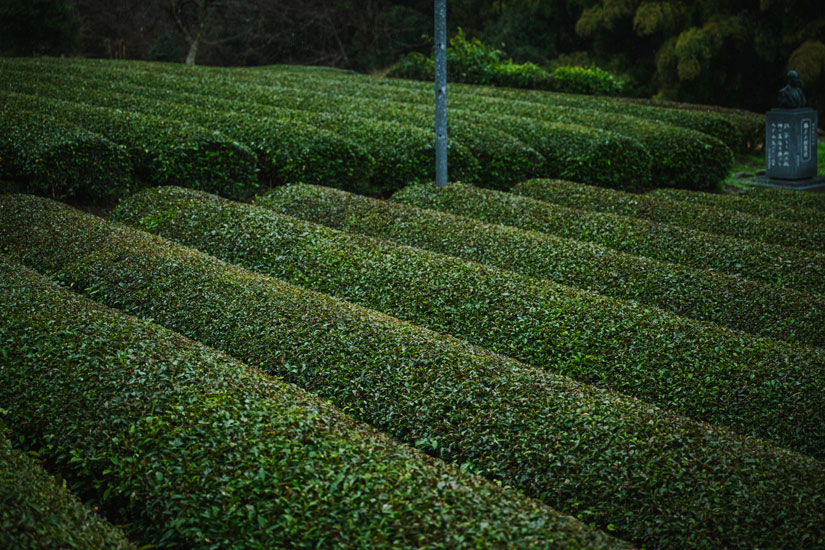
Shingu Town has long been known as a natural habitat for the native “Yamacha” tea plant, rooted in the land (mountains). During the Edo period, it was a tea-producing area cherished by travelers on the Tosa Highway, a key route for the sankin-kotai system, as a place to pause for a cup of tea and rest. However, the journey of “Shingu Tea” as a full-fledged tea production began in the Showa period.The founder of “Shingu Tea,” Mr. Kugoro Waki, was one of the farmers producing the high-quality leaf tobacco that thrived in the area at the time. Amidst the post-war agricultural restructuring, he was required to introduce new crops. He began full-scale production of cultivated tea using the “Yabukita” variety, distinct from the native Yamacha. This laid the foundation for Shingu Tea.
Cultivating Yabukita with Shingu’s Unique Character
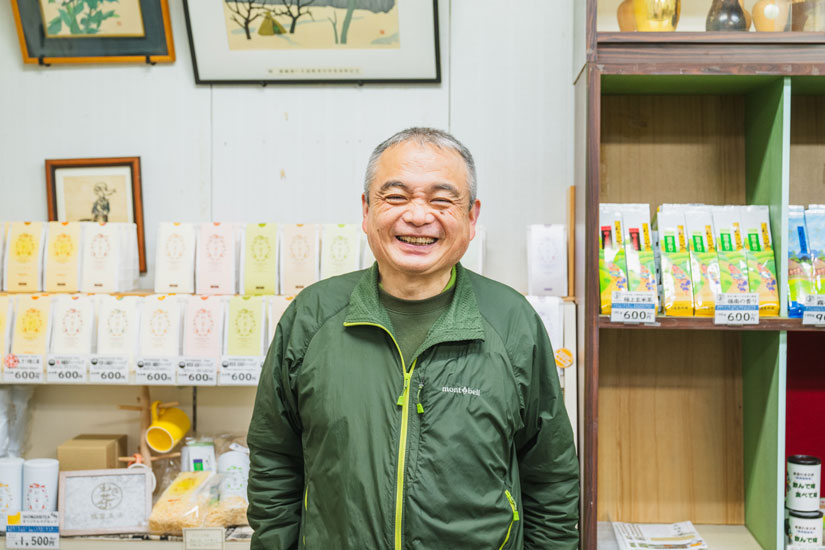
In 1954 (Showa 29), founder Kugoro Waki was among the first to introduce the Yabukita variety, which had just been selected in Shizuoka Prefecture.”My grandfather was incredibly dedicated to research,” says his grandson, current president and third-generation head, Toshiyuki Waki. Even the then-difficult task of propagating seedlings by cuttings was successfully achieved ahead of other regions. Shortly after switching from tobacco to Yabukita tea cultivation, Shingu tea was already nationally renowned for its exceptional aroma.
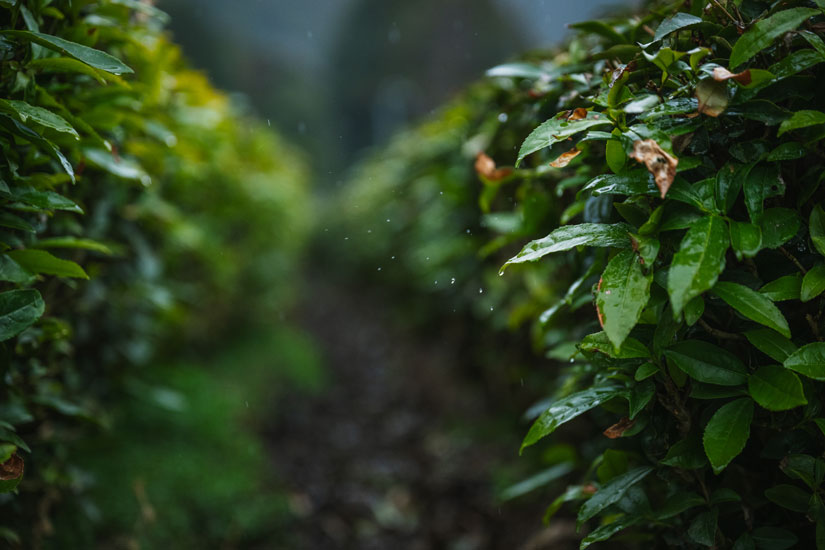
This speaks to Shingu’s climate being exceptionally suited for tea cultivation. The high altitude and significant day-night temperature variation, combined with a climate prone to fog, provided ideal conditions for tea leaves to grow slowly while avoiding strong sunlight, drawing out their umami. Furthermore, the soil, rich in mineral-laden green mud schist, supports the growth of the tea plants.Moreover, in the surrounding areas, including the Shiozuka Plateau, abundant thatch (kaya) was available for use as fertilizer. Incorporating this thatch into the soil also contributed to enhancing the tea’s flavor, aroma, and overall quality. Thus, tea cultivation using the Yabukita variety spread throughout the region, and by 1970 (Showa 45), it had become a tea-producing area boasting tea gardens covering 45 hectares.
Tea Cultivation Made Possible by a Small Production Area
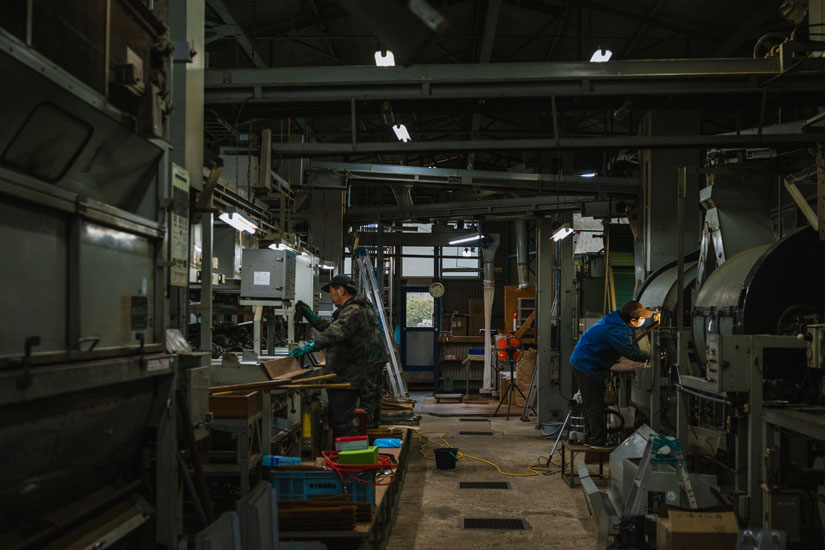
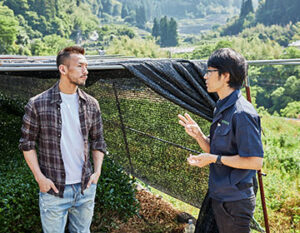
Numerous small-scale tea farmers are scattered throughout Shingu Town. At Waki Tea Factory, they process, roast, and pack the tea leaves picked by these farmers in-house. Functioning as a “village processing facility,” they have established a style of supporting the production area hand-in-hand with the producers.
Furthermore, while Shingu tea was once produced using conventional methods involving chemical fertilizers and pesticides, the shift to pesticide-free cultivation began in the late 1970s. Shingu Town experiences harsh winter cold, resulting in fewer overwintering pests. Additionally, the area utilizes “natural predator control” through spiders and bees inhabiting the surroundings, enabling cultivation without reliance on pesticides.Large tea plantations make it difficult to manage natural enemies effectively and complicate pesticide usage adjustments. In contrast, small-scale production areas like Shingu allow for easier adaptation to the specific conditions of each tea garden and facilitate cooperation among farmers. The experience and techniques developed through the village’s collective commitment to pesticide-free cultivation are now applied to current farming practices.
Tea Cultivation: Inheriting Aroma, Evolving
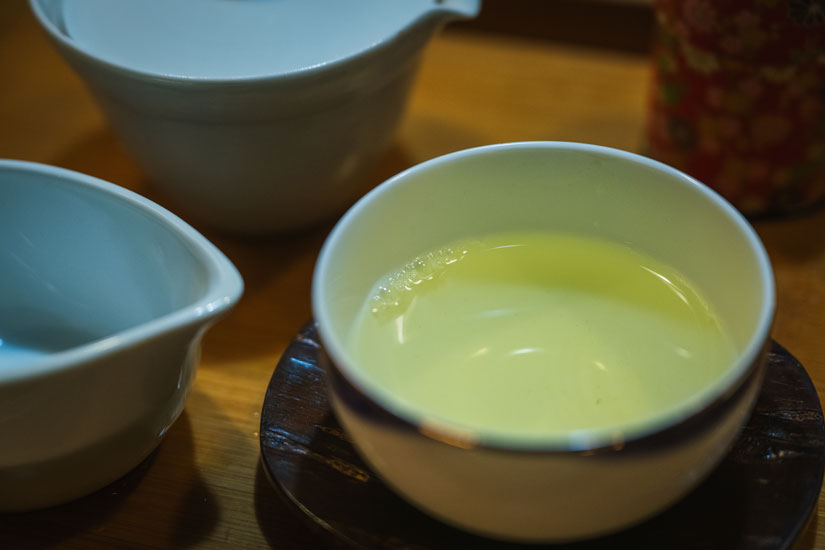
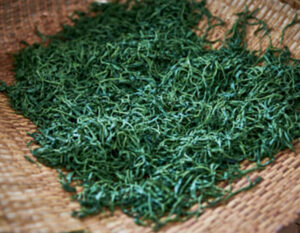
What kind of tea is Shingu Tea? “Yabukita” is Japan’s most widely cultivated tea variety, beloved for its refreshing taste and pleasant aroma. Among Yabukita teas, Shingu Tea stands out for its uniquely strong aroma and clear flavor. It tends to develop less pronounced astringency, allowing its umami to spread gently, making it perfectly described as “a tea you never tire of drinking.”Grown with organic fertilizers made from mountain plants, the founding principle of “preserving the fragrance” remains steadfast to this day.
Yabukita for Black Tea: The Fourth Generation’s Challenge
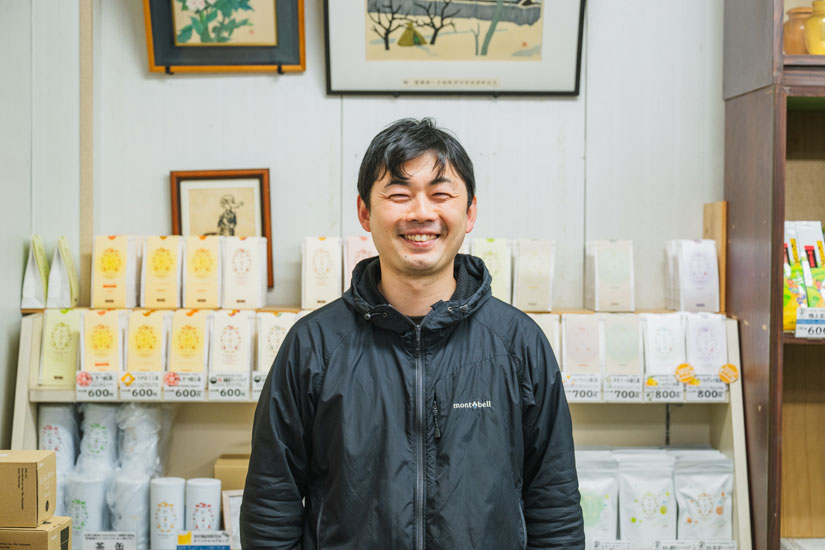
The fourth-generation owner, his son Junki Waki, has traveled to tea-producing regions across Japan to learn and absorb techniques suited to Shingu. He holds qualifications as a Japanese Tea Instructor and an Assistant Instructor for the Hand-Rolled Tea Promotion Association. In today’s tea industry, where varieties have increased and processing techniques tailored to preferences have advanced, he is dedicated to cultivating Shingu Tea into a nationally renowned product.
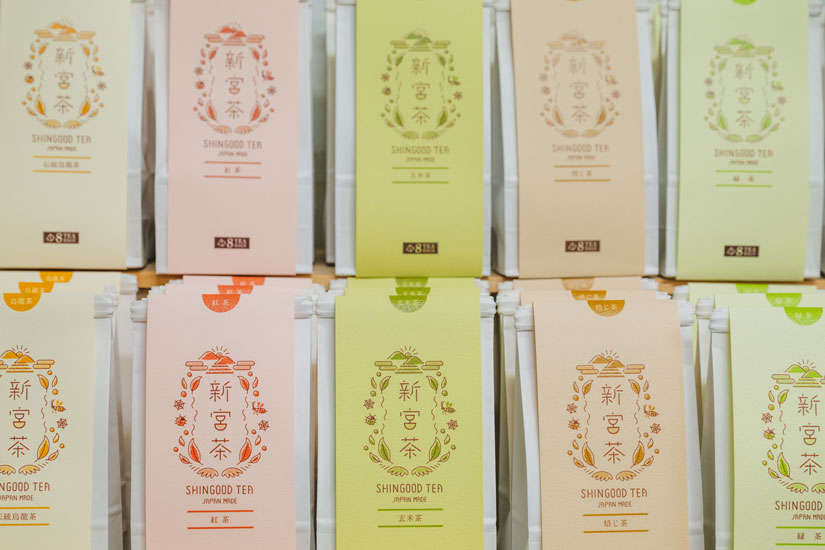
Traditionally, “Yabukita” was considered unsuitable for black or oolong teas. However, Shingu tea’s clear flavor and strong aroma surprisingly pair well with black tea, revealing a new charm as a Japanese-style black tea with a gentle sweetness.”As more varieties for black tea emerge, I want to deliberately expand the possibilities even with ‘Yabukita,'” says Junki. In fact, this black tea is currently their best-selling product and is gaining attention as a new pillar for Waki Seicha. Furthermore, beyond roasted tea and oolong tea, new developments for Shingu tea are advancing with flavored teas using citrus, ginger, and herbs.
Shingu Tea Gaining Popularity Locally
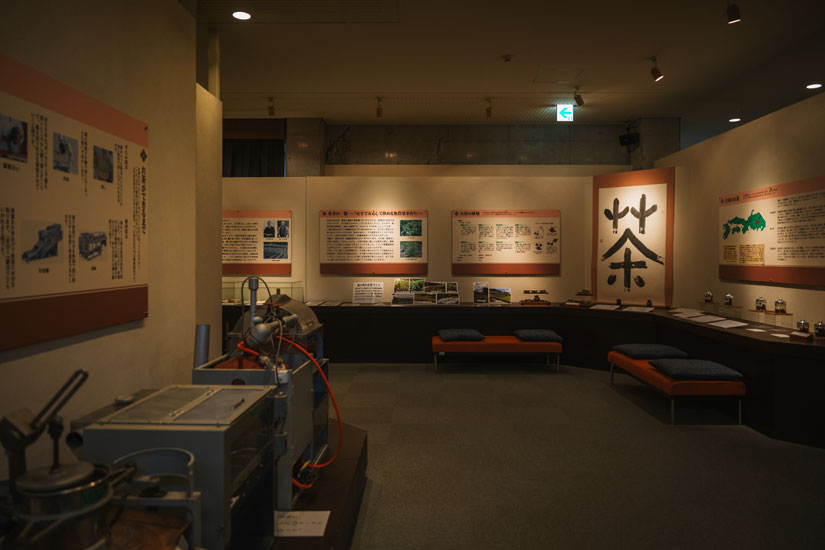
In Shingu Town, the entire village supports the tea-growing region while continuing initiatives that connect with the community through Shingu Tea.Tea finished at Waki Seicha is also served at “Roadside Station Kirinomori,” nationally known for its “Kirinomori Daifuku” sweets. The facility includes a tea workshop where visitors can experience hand-rolling tea themselves, and a museum teaching the history and appeal of Shingu Tea. Through activities like tea tasting sessions led by Japanese tea instructors, it offers a space where visitors can enjoy Shingu Tea with all five senses.
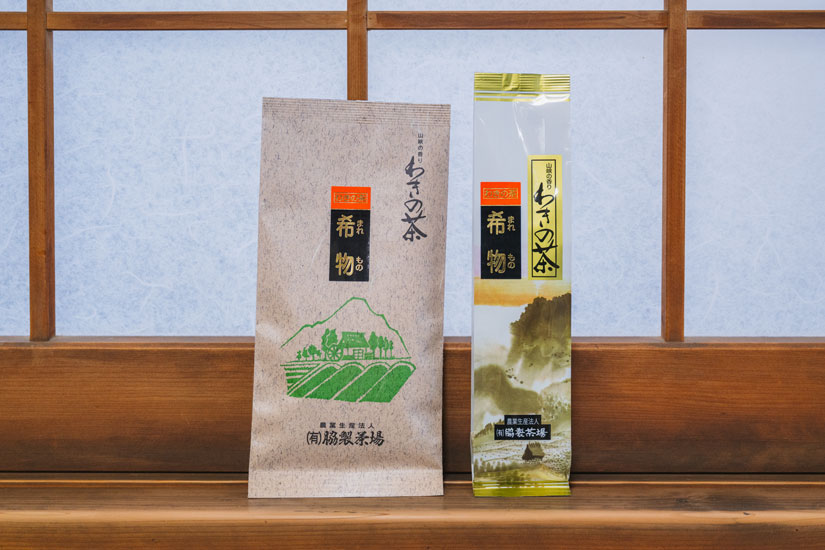
“Many people have never truly tasted delicious tea. That’s precisely why I want them to try it at least once,” says Junki. While also working as a Japanese Tea Instructor himself, he focuses his efforts on creating opportunities to convey, through experience, “what makes tea delicious.” Carefully nurtured traditional tea cultivation and the close-knit connections unique to a small production area. Cherishing both, Shingu Tea is now expanding new possibilities alongside the community.