
Kiyosato Jam began when its founder relocated to run a pension, eventually creating jams and cordials with unique recipes that resonated widely. President Yoshiki Sanoma attributes this success to “Kiyosato’s distinctive environment,” a place with a history of welcoming pioneers. What drives his ongoing product development?
Jam Making Born from Pension Management
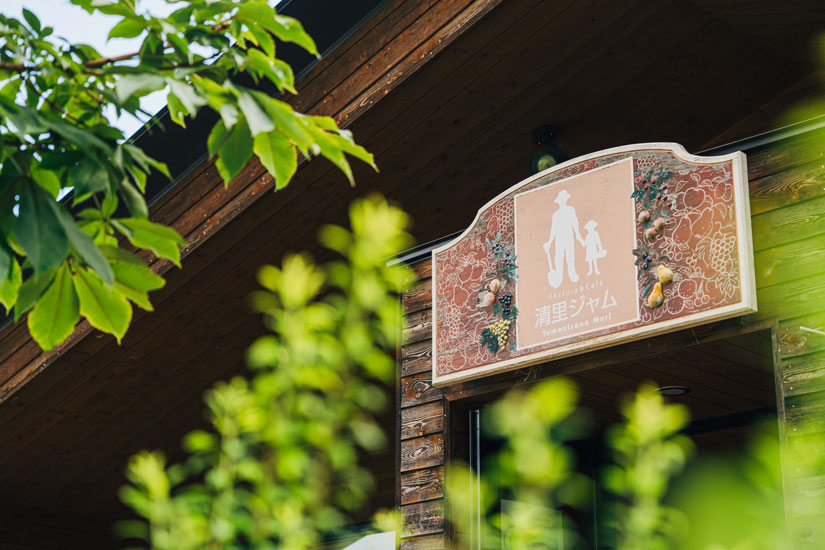
Located in the Moegi Village area of Kiyosato, Hokuto City, Yamanashi Prefecture, at the southern foot of the Yatsugatake Mountains, is Kiyosato Jam Agricultural Corporation. Here, you’ll find jams so fresh and juicy that people say it’s “like eating the fruit itself.”
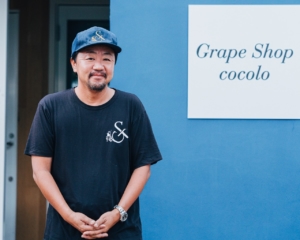
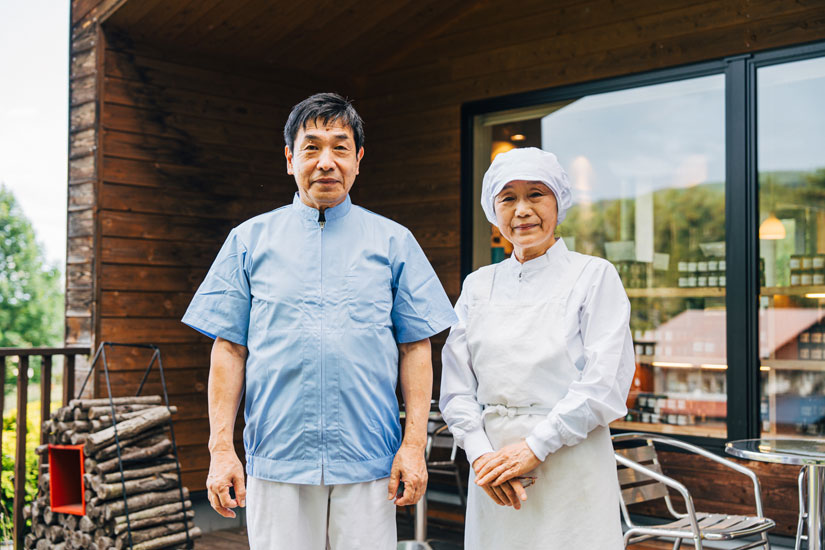
“We avoid unnecessary steps and let the ingredients’ natural flavors shine,” says Yoshiki Sanoma, President and CEO of Kiyosato Jam Agricultural Corporation.
They continue making jam with the motto of valuing “sincerity” over manufacturing efficiency. Mr. Sanoma established the “Kiyosato Jam” workshop in 2003. It began when he moved to this area in his early thirties and started producing ingredients for the pension business he launched.
Starting a Second Life in Kiyosato
Born in Gunma Prefecture, Mr. Sanoma moved to Tokyo for university and later pursued a career in fashion by attending a specialized school. After graduation, he worked as a designer under a famous fashion designer. While the work was rewarding, he gradually felt stifled by the relentless, fast-paced days of constantly chasing trends.
Longing to work amidst nature reminiscent of his hometown, he decided to pursue the then-booming pension business. While searching for properties around the Yatsugatake area, he encountered Kiyosato and resolved to establish his pension business here.
Interest in Agriculture
Reflecting on those early days, Sano-san recalls starting farming himself because he couldn’t reliably source the ingredients needed for the meals served at the pension.
He started by growing herbs and vegetables, but gradually became deeply immersed in farming. “I started farming because I had no choice but to grow my own ingredients, but it actually worked out pretty well. Since I was already interested, I studied and gradually expanded what I grew.” After much trial and error searching for crops suited to Kiyosato’s soil, he settled on blueberries.
He began cultivating them in earnest as a tourist farm. When he served homemade blueberry jam made from his harvest with meals at the pension, it received overwhelmingly positive feedback from guests. Requests for supplies also started pouring in from nearby hotels, finally prompting him to take the plunge into full-scale product development.
Kiyosato’s Welcoming Environment and the Expanding Jam Business
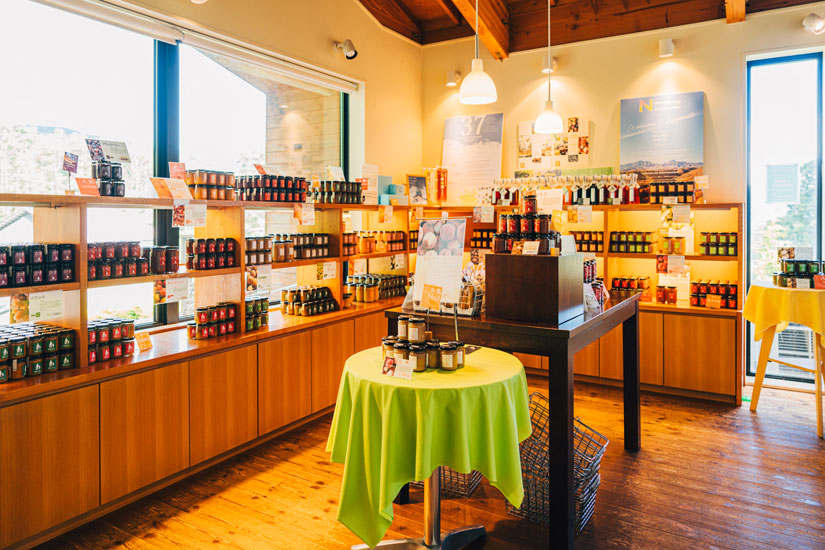
Mr. Sanoma began developing the processed goods market as a pillar alongside lodging. A pivotal moment arrived in 2003 when he was approached about the construction of facilities within Moegi Village, an initiative conceived by the then-mayor of Takane Town.
“The mayor at the time was an extremely enthusiastic and intelligent person. While the region traditionally focused on dairy farming and its products like milk, he dedicated himself to developing other local specialties and agriculture.”
Creating specialty products beyond milk. To fulfill this mission, Mr. Sanoma entered the jam-making business with a direct recommendation from the mayor. Successfully selected, he expanded the small-scale operation—previously only producing enough for the pension—and established “Kiyosato Jam Agricultural Corporation, Ltd.”Finally, the “Kiyosato Jam” brand, using local Yamanashi fruits, was born. Mr. Sanoma describes this entire process as “something only possible because it was Kiyosato.” “Kiyosato is a town of pioneers, so it had a culture of welcoming outsiders.” Indeed, history shows that residents from villages submerged by the 1938 construction of the Okutama Lake dam relocated to the Kiyosato area and began new settlements.Kiyosato, which developed the region through the harsh work of reclaiming barren land while enduring severe cold and hunger, likely possesses the “culture of acceptance” Sano-san mentions. It was precisely because of this culture, which treated migrants without discrimination, that such a new movement could emerge.
Back then, Takane Town was also an early adopter of “farmstay collaboration,” combining agricultural experiences with lodging. The town mayor established an organization called the Youth Academy, conducting annual study tours to European countries. They learned how to link agriculture to tourism through “agritourism” and observed vegetable and fruit production sites firsthand.”It was an extremely meaningful experience,” recalls Mr. Sanoma, who was a member of the Youth Academy at the time. Inspired by these study tours, Mr. Sanoma began implementing initiatives at his pension that combined lodging with farm activities, such as picking experiences and jam-making workshops.
The Enchanted “Kiyosato Jam”
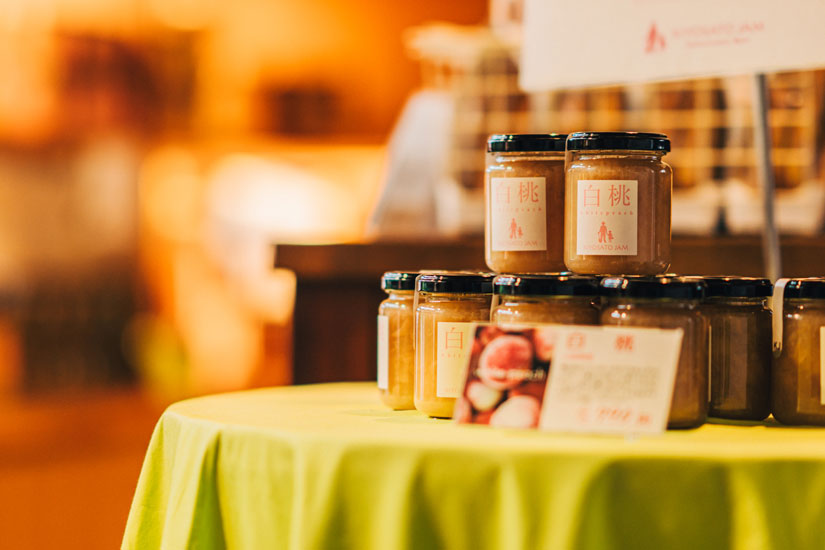
The most popular product in the “Kiyosato Jam” line is the white peach jam. “While strawberry jam is usually the top seller, white peach is our best seller,” he explains.One reason is that by manufacturing and selling only during the peak season, they can deliver the inherent fresh, juicy flavor of the fruit. Of course, the other varieties in the lineup are also so popular they sell out within the season. The jams, made from carefully selected ingredients, come in 25 different types.
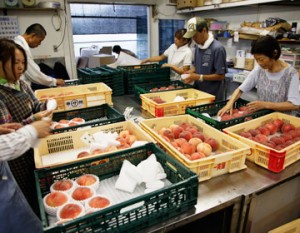
The “Kiyosato Jam,” featuring large chunks of fruit for a satisfying texture, comes with a trade-off. “Preparing the fruit takes half a day, which is inefficient,” he says with a wry smile. While typical jam production might allow for three batches a day, here they can only manage one.The daily process begins with prepping ingredients personally inspected by Sano-san in the morning. His jams have a sugar content of 37 degrees Brix, slightly lower than store-bought varieties. This allows the acidity, aroma, and the depth of flavor from the natural bitterness to shine through, resulting in a jam that highlights the ingredients’ true taste rather than just sweetness.
He uses a unique “vacuum low-temperature concentration” method, taking time to evaporate moisture without using additives like pectin or flavorings to achieve the jam’s viscosity. This process concentrates the ingredients’ flavors, resulting in a jam that is fruity and tastes like “the fruit itself.”
Mr. Sanoma described this entire process as “casting a spell.” Inside each jar of delicious-looking jam lies the magic he arrived at through continuous trial and error, packed tightly within.
A “Japanese Cordial” found only here
Jam-making began as a side venture to the pension business. While wholesale to retailers and hotel shops was the main focus until recently, requests for product development have increased in the last few years—for jams served at hotel breakfasts and gift jams. “Thanks to the positive response, I truly feel our recognition is gradually growing,” Sano-san answers proudly.
In response, they closed their thriving pension business and now focus solely on jam production. Within this shift, a new product called “Cordial” was developed.
Cordials are relatively unfamiliar to Japanese consumers. Originating in Britain, they are flavored syrups meant to be diluted. They can be enjoyed in various ways: mixed with sparkling water for a non-alcoholic drink, or added to tea or yogurt to savor their aroma and sweetness. Currently, most cordials available in Japan are imported, with very few produced domestically.
“Of course, our best-selling product is jam. But jam-making and fruit processing naturally lead to developing various other products. Cordial is one such example. We enjoy processing and are actively developing new products.”
Since its development, it has grown into a popular product, garnering significant attention as “Japanese cordial.”
The Future of “Kiyosato Jam”
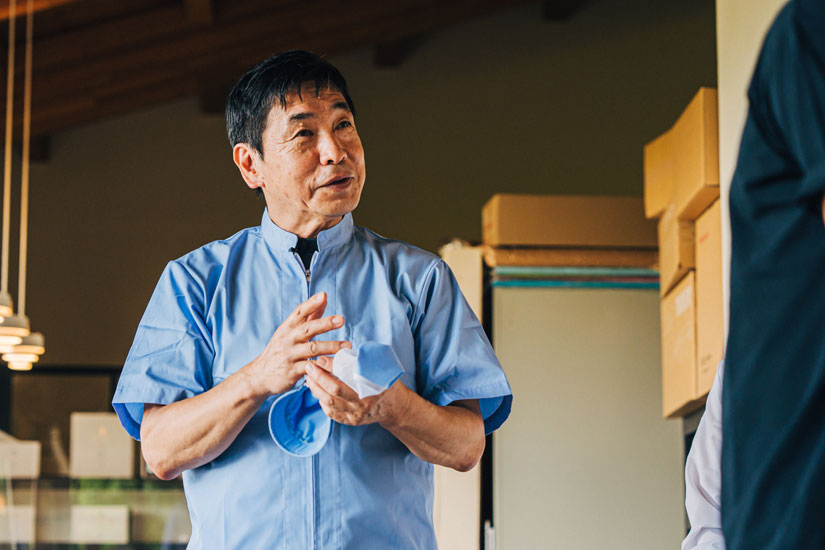
The current challenge for Kiyosato Jam Co., Ltd. is a shortage of workers. Mr. Sanoma himself is getting older, and finding the next generation to take over is proving difficult. Furthermore, many of the farms supplying the fruit are closing down because they lack successors. There’s also anxiety about whether they can continue sourcing the same fruits consistently, due to poor harvests caused by global warming. Yet, even in these tough circumstances, quitting jam-making is not an option for Mr. Sanoma.
“Even so, I still get ideas for things I want to do. I think it’s like being told, ‘You should keep working for the world.’ So, while I can still move, I want to challenge myself in various ways. Making bread that pairs well with jam is my immediate challenge.”
Kiyosato Jam offers a variety of products, including jams, cordials, and bread. At its core lies the desire to create quality goods, to contribute to Yamanashi’s agriculture and tourism, and ultimately, to serve the world. Through trial and error, developing unique methods, and crafting products with sincerity, Sano-san’s journey will likely continue to be embraced by the world.