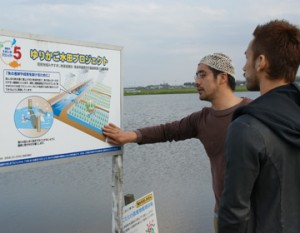


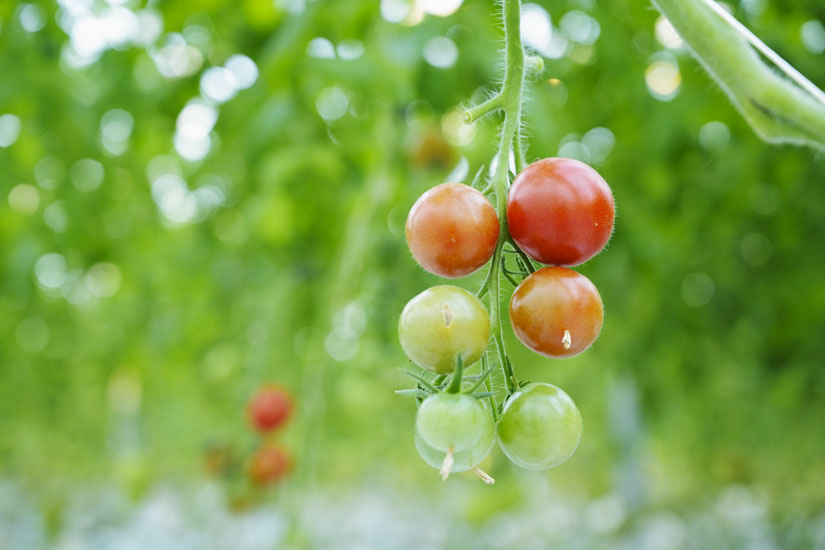
Ishinomaki City, Miyagi Prefecture, on the banks of the Kitakami River. In this area, which was severely damaged by the earthquake in the past, a construction company that had been affected by the disaster chose to rebuild through Dutch-style agriculture. The company name “De Liefde” means “De Liefde” in Dutch. The challenge of caring for the people and the land began in 2013 and continues to this day.
Fostering New Hope through Reconstruction
The town of Kamayazaki, Kitakami Town, Ishinomaki City, Miyagi Prefecture, was destroyed by the Great East Japan Earthquake in 2011 and became a no-occupancy zone. De Liefde Kitagami’s challenge began with the desire to “rebuild this place.
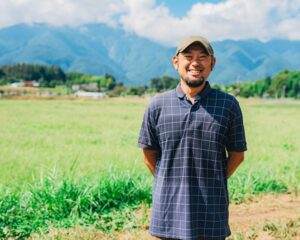
We want to be a place where people who want to take on new challenges in agriculture and people who moved to the area after the disaster can gather,” says Mr. Abe, General Manager of the General Affairs Department.
Why a construction company that suffered from the disaster chose “reconstruction through agriculture
De Liefde Kitakami’s predecessor was a construction company involved in thatched roofs. The company was swept away by the tsunami caused by the earthquake, and the land, which had originally been farmland, was difficult to restore due to land subsidence and salt damage. Seeing the land that had been passed down from generation to generation turned into a rubble dump, the company representative was unable to do anything for a while. The turning point came in 2013. A native of Ishinomaki City who works as an agricultural consultant in the Netherlands visited the area.
Creating a sustainable system with Dutch-style agriculture
Dutch-style agriculture is characterized by horticultural facilities that use technology to control temperature, humidity, and CO2 concentration. Furthermore, it specializes in high-yield varieties and maximizes labor and energy efficiency. These mechanisms are realized as profitable agriculture. Upon learning about their highly profitable strategy using cutting-edge technology, they found hope that they could revitalize Ishinomaki and contribute to job creation and population growth, and decided to build the facility.
In 2014, they obtained a subsidy at the timing of the start of the government’s Next Generation Agriculture Support Program, and in 2016, they began full-scale operations. It was the moment when the disaster-affected areas saw the light of recovery.
Tomatoes in Ishinomaki: The Hope of Reconstruction
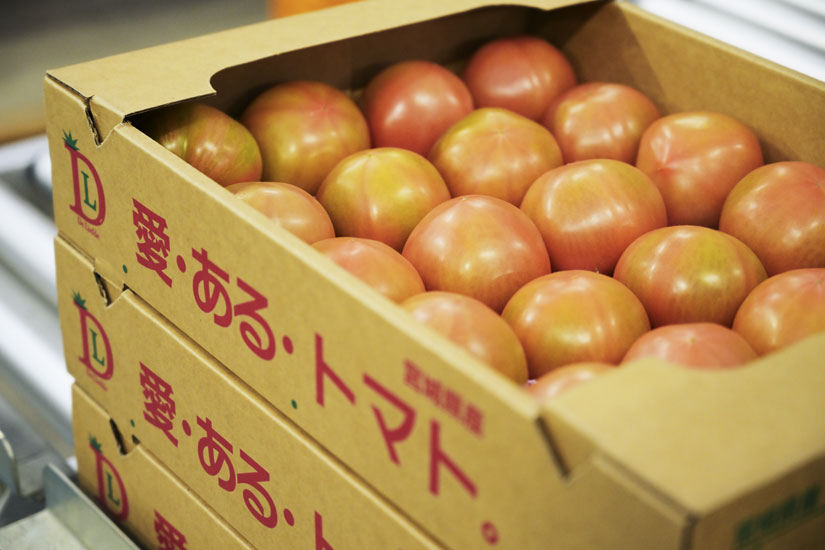
Tomatoes have long been grown in Miyagi Prefecture, which has abundant sunlight and cool summers. Since the earthquake, however, tomato production in the prefecture has dropped by half due to the flooding of farmland caused by the tsunami. Tomatoes are one of the most popular vegetables in Japan. If we can provide a stable supply of tomatoes even in winter, it will benefit both the growers and the local community. The company also expected that year-round harvesting would be possible through facility gardening.
Achieving both productivity and delicious taste. The reason why restaurants choose De Leaf de Kitakami
The tomato variety grown by De Liefde Kitakami is the “Tomimaru Mucho. It was jointly developed by Japanese and Dutch seed and seedling makers, and combines the sweetness typical of Japanese tomatoes with the high yield of Dutch varieties.
Tomimaru Mucho is also suitable for processing, and is mainly sold to restaurants. The company has gradually developed new customers by explaining the characteristics of Tomimaru Mucho, such as its long shelf life and resistance to water seepage even when sliced. Currently, the company distributes its products to convenience store chains and major hamburger stores.
A Farm that Wins the Minister of Agriculture, Forestry, and Fisheries Award, Creating a Virtuous Cycle for People, the Environment, and the Community
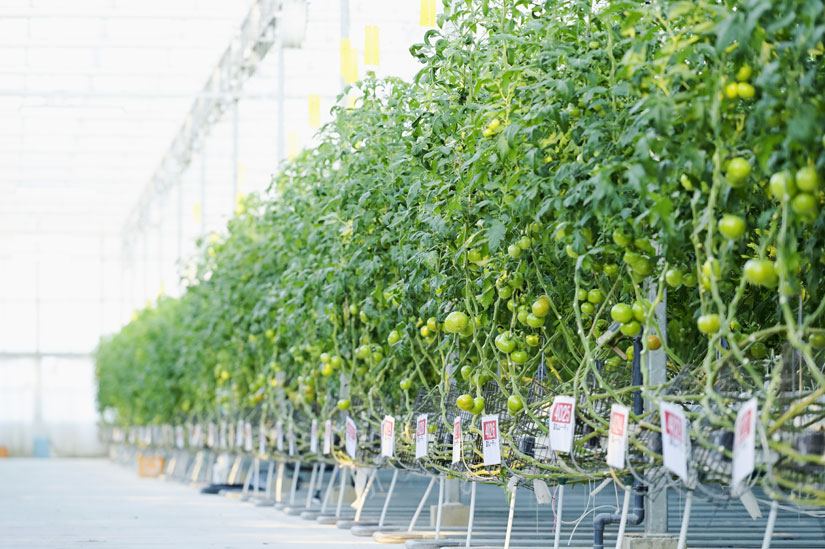
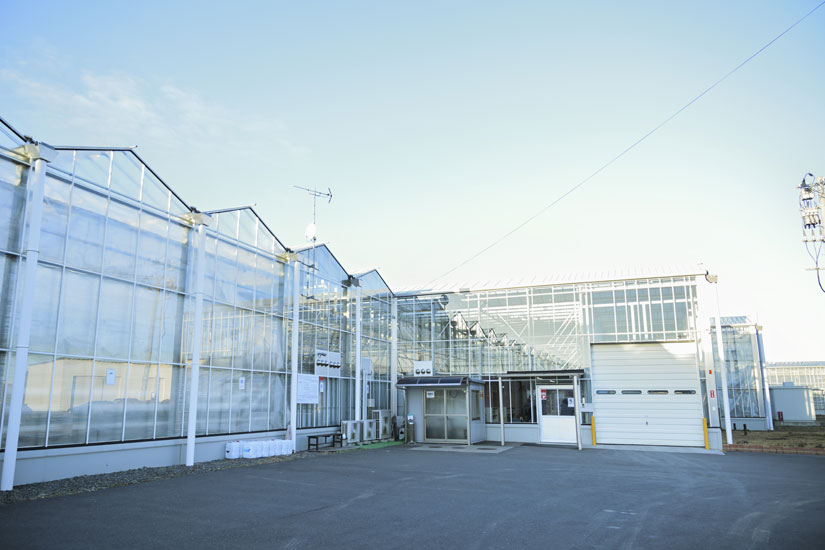
De Liefde Kitakami has introduced highly permeable glass houses instead of ordinary plastic greenhouses. 1.1 ha in size is overwhelming, but the structure is also unique. The high ceilings let in plenty of sunlight and improve air circulation, resulting in a yield that is three times higher than that of an average greenhouse. In addition, IT technology has been utilized to achieve stable shipments and improve the working environment. In recognition of their achievements, they were selected to receive the Minister of Agriculture, Forestry, and Fisheries Award, the highest award in the production technology innovation category of the 2023 National Awards for Excellent Management Entities.
Easy-to-work, friendly farm design for everyone
Taking advantage of the hydroponic cultivation system, the tomato roots are set high. Under the floor is a rail for work carts, allowing harvesting to be done while standing. The low physical load makes it a safe place for elderly people and female staff to work.
Realization of stable employment that is not affected by weather conditions
Until now, agriculture in Miyagi Prefecture has been affected by the weather, making it difficult to stabilize employment. However, in the glasshouses at De Liefde Kitakami, computer-controlled temperature control enables stable production throughout the year, unaffected by weather conditions. Employment is uninterrupted, and the work style has overturned the conventional wisdom of agriculture.
Wood chips and rainwater circulation. Toward Environmentally Friendly Agriculture
Local wood chips are used for fuel and rainwater is circulated. The company has put in place a system for energy self-sufficiency while reducing environmental impact. In addition, they have succeeded in increasing their winter harvest by 20% in a trial cultivation using LED lights.
Toward the next challenge. Walking with the Community into the Future
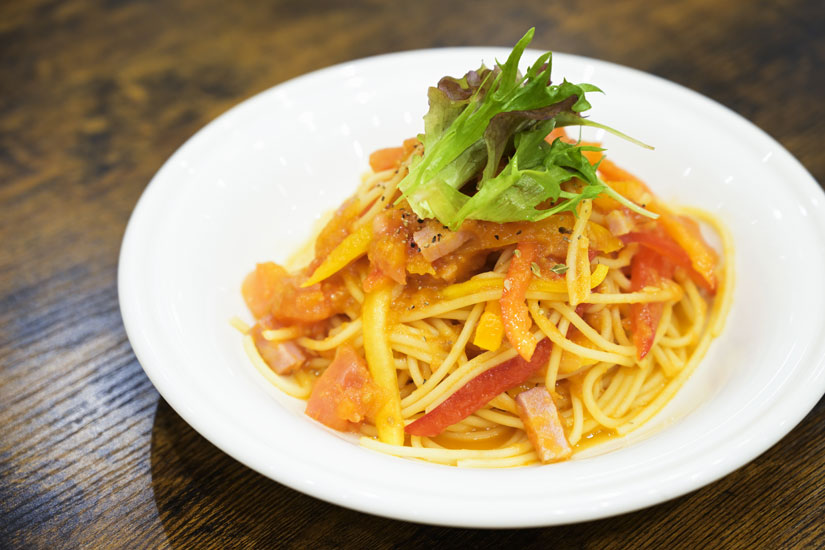
In 2021, the “Liefde Terrace” restaurant will open on the premises. While working to reduce food loss, the restaurant has also become a local exchange center where several thousand people visit annually, contributing to the local economy.
Outside the facility, blueberry cultivation using coconut shells as culture soil has also started. In cooperation with farmers in Yamagata Prefecture, the company aims to realize a new recycling-oriented model and the sixth industrialization of agriculture.
Mr. Abe is looking ahead, saying, “Rather than just copying Dutch-style agriculture, I want to further develop it in a way that suits this region. The people who have risen from the disaster have a solid sense of hope in De Liefde Kitakami, which continues to take on the challenge of growing its own roots in Ishinomaki.