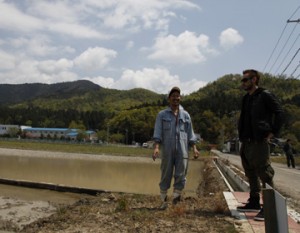


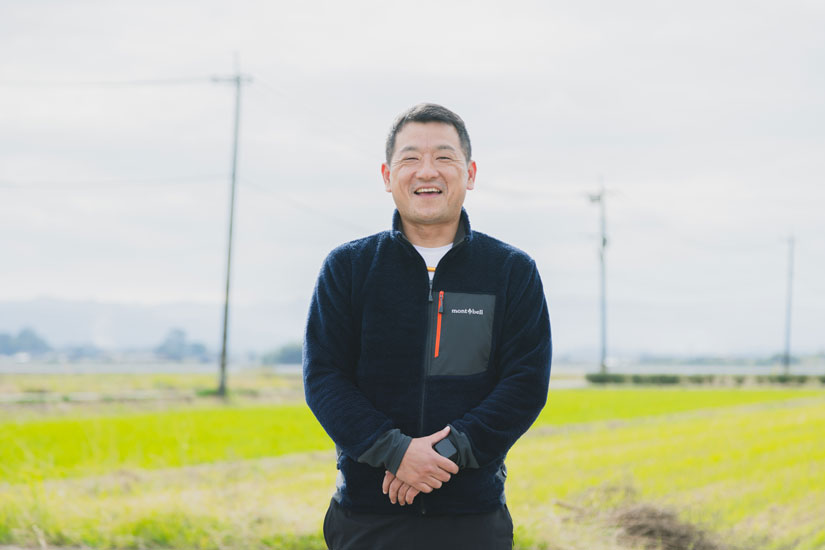
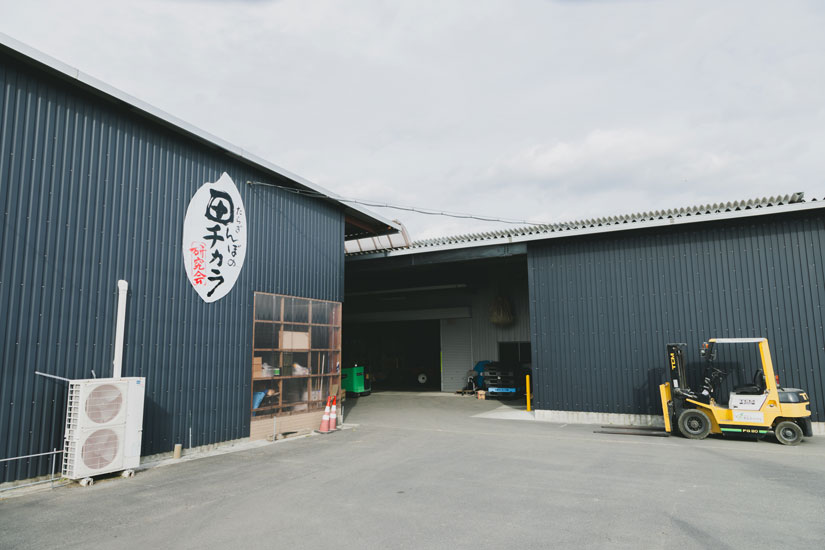
The “Taragi Rice Fields Power Research Group,” a rice production team formed in 2017 by 11 rice farmers in Taragi Town, Kuma District, Kumamoto Prefecture, aims to revitalize agriculture throughout Taragi Town by fostering cooperation among farmers—led by its representative, Shinichiro Ogata—to cultivate high-quality rice under a unified brand.
I want to grow rice I can be proud of to repay the debt of gratitude I owe to those who came before me.
A deeply forested area in Kuma District, Kumamoto Prefecture, known as “Oku-Kuma.” Taragi Town, located there, was ruled by the Sagara clan of samurai from the early Kamakura period through the Meiji period. During their long reign spanning approximately 700 years, the Sagara clan constructed irrigation canals such as the “Hyakutaro-mizo” and the “Kono-mizo.” It is said that this improved agricultural productivity within their domain, allowing it to develop into one of Kyushu’s leading rice-producing regions.
In particular, the “Hyakutaro Ditch”—a massive, challenging project said to have taken 100 years to complete—stretches approximately 18 km in total length. While farmers were digging it by hand—with the entire community mobilized—the site was struck by floods numerous times; the ditch was ultimately named after Hyakutaro, who was sacrificed as a human offering. “The bountiful natural environment we enjoy today is thanks to our ancestors, who endured blood, sweat, and tears,” says Shinichiro Ogata. “To repay that debt, we must continue growing rice on this land.” Driven by the desire to “produce delicious rice that we can be proud of nationwide,” he took the initiative to form the rice production team “Taragi Rice Fields Power Research Group” in 2017. As the representative of the group—comprising 11 rice farmers in Taragi Town, Kuma District, Kumamoto Prefecture—he coordinates the farmers’ efforts while also cultivating rice himself.
To ensure the future of agriculture, the entire region must develop together.
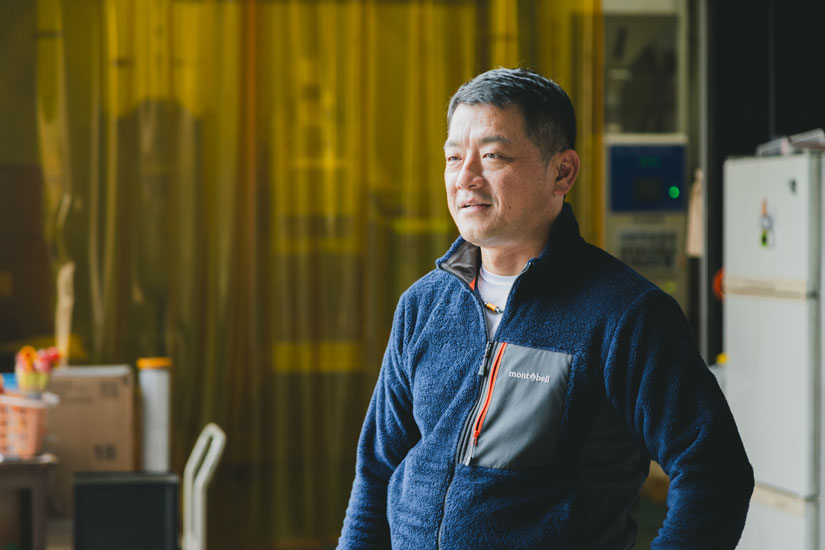
Mr. Ogata was born into a farming family in Taragi Town that has been in the business for generations. He left his hometown for a time to work in sales in the beauty and hair industry. However, as the internet and mail-order sales became more widespread, he felt he had reached the limits of his sales career and returned home in 2009. By participating in the establishment of the local agricultural corporation “Taragi Nobiru Agricultural Cooperative,” he came face-to-face with challenges such as the aging farming population and a shortage of successors.
Consequently, while working as a staff member for the corporation, he sought to identify “what he could do.” Believing that “there are limits to developing individual farms alone; only by developing the entire region can we ensure agriculture’s future,” he became a founding member of the “Taragi Rice Fields Power Research Group.”
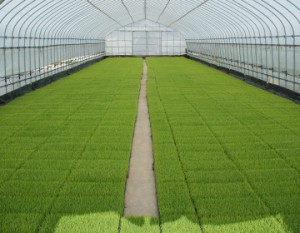
Subsequently, starting around 2011, the “Taragi Rice Paddy Power Research Group” invited Goichi Endo—a rice farmer from Takahata Town, Yamagata Prefecture, who had won the Gold Prize and Diamond Award for four consecutive years at the Rice Taste Analysis and Appraisal Competition—to serve as an advisor. Under his guidance, the group meticulously examined cultivation methods from seedling raising to harvest. By refraining from using chemical fertilizers and instead employing organic fertilizers based on fish meal, while implementing cultivation management based on scientific evidence, the group established a standardized cultivation method and resolved to strictly adhere to Mr. Endo’s teachings as a whole.
“Kometaragi,” a brand of rice that has won numerous competitions
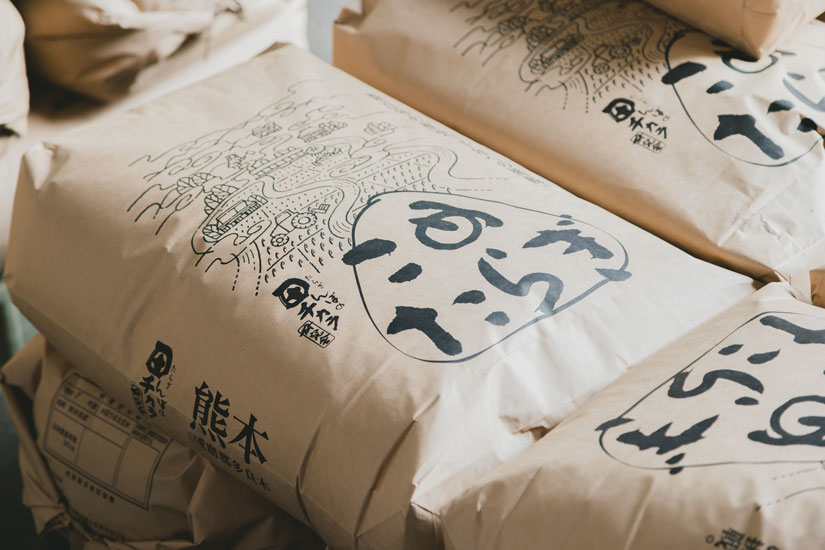
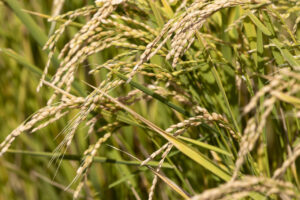
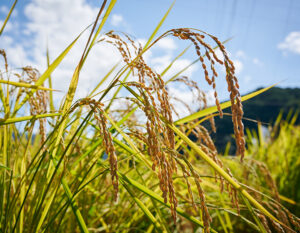
The main variety cultivated by the “Taragi Rice Paddy Power Research Association” is “Nikomaru.” The association ships rice under its “Kometaragi” brand only after it has met its own strict standards—including a protein content of less than 7% and a minimum grain size of 1.9 mm as determined by sifting—as clearly defined in its shipping specifications. The lower the protein content, the fluffier and softer the rice becomes when cooked, and the more pronounced its sweetness. When the grain size is uniform, heat is distributed evenly during cooking. “Kometaragi” rice, which meets these strict standards, features large, satisfying grains with a sticky, moist texture, as well as a rich umami flavor and pronounced sweetness.
The group also pays close attention to the drying process. First, the rice is dried overnight through air circulation without applying heat to ensure uniform moisture distribution within the grains. Then, it is dried using heat to prevent variations in overall moisture content. In addition, the group has collaborated with designers on brand development, focusing on the logo and packaging design. They have worked diligently to enhance the brand’s appeal.
These efforts are evident in the “Kyushu Rice Taste Competition” (held in Miyawaka City, Fukuoka Prefecture), where municipalities across Kyushu compete based on the taste of their rice. At the second competition in 2018, Taragi Town stood at the top among 163 Kyushu municipalities, and has since gone on to win consecutive titles in the municipal division. The town has won the Grand Prix a total of five times, including four consecutive victories. Members of the research group have also won the Highest Gold Award in the individual overall category, further attesting to the high quality of “Nikomaru.” As the rice has also gained popularity as a return gift for the “Hometown Tax” program, Mr. Ogata feels encouraged, noting, “I think awareness of Taragi Town’s rice is gradually increasing.”
So that it can serve as a model for rice farming in Japan
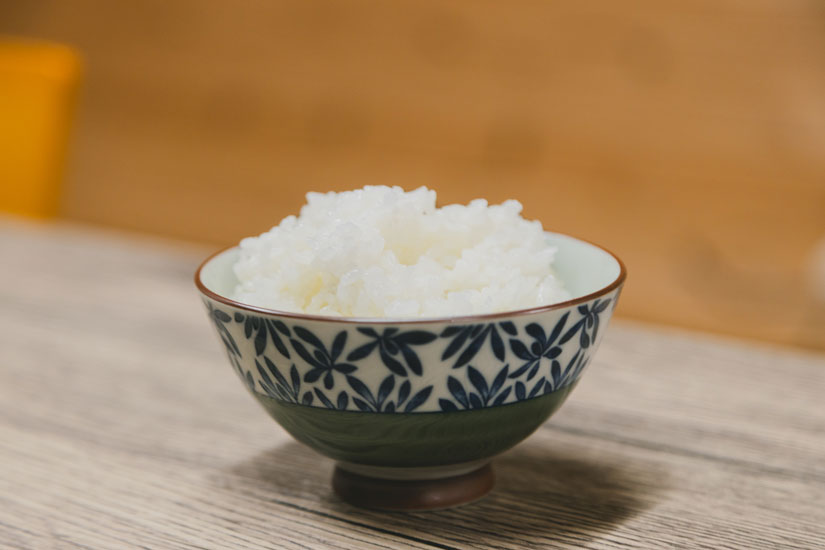
The “Taragi Rice Fields Power Research Association” had previously established rules to ensure that producers did not deviate from standardized cultivation methods based on their own judgment, in order to maintain uniform standards. However, in recent years, the association has begun to broaden the scope of its activities by relaxing these rules—for example, by permitting the cultivation of new varieties such as “Pikamaru” and “Kuma-san no Kagayaki” in addition to “Nikomaru.” The group is also actively pursuing new initiatives, such as introducing sensors for water management and applying AI-driven moisture control to the rice drying process. This is because the group’s goal is “to pass on rice production in Taragi Town to the next generation,” and they believe that to achieve this, they must continue to evolve with the times.
Mr. Ogata believes, “If we continue to deliver Taragi Town’s rice to many people through the association, ‘Taragi Town Rice’ will surely become a household name in 15 years.” He adds that if successful, the association’s activities could serve as a model for rice cultivation in Japan, and the recognition of “Taragi Town Rice” would further help promote “Taragi Town agricultural products” as a whole.
“The Hyakutaro Canal was carved out by our forebears for the sake of agriculture in this land. It is said that the weirs were washed away time and again by repeated floods, and it took about 100 years to complete. In other words, it is an irrigation canal that can be called a regional treasure, built not over the course of a single generation, but across many generations. We must never forget that our lives depend on it,” said Mr. Ogata. He continues to look to the town’s past and future in order to draw out the full potential of Taragi Town and pass it on to the next generation.