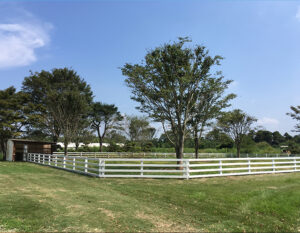


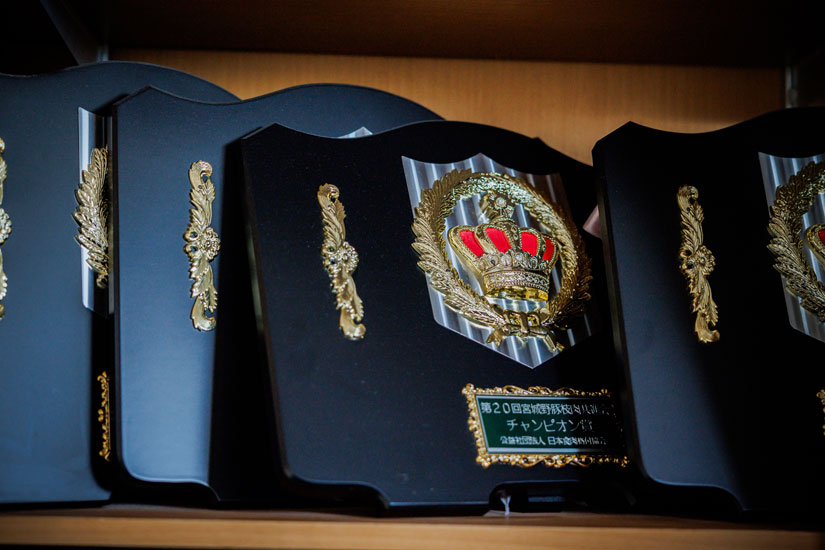
Pig Yume Farm Co., Ltd. has consecutively won the Champion Award at the Miyagino Pork Carcass Competition, where experts evaluate the meat quality of Miyagi Prefecture’s brand pork, “Miyagino Pork.”Located in a quiet town in northeastern Miyagi Prefecture known for its thriving agriculture, the company operates its pig farm on a vast 16,500 square meter site. Their “Miyagino Pork Minori” is highly regarded for its tender, juicy meat and sweet fat. What is the secret behind its deliciousness?
Miyagino Pork Minori: Miyagi Prefecture’s Premium Original Brand Pork
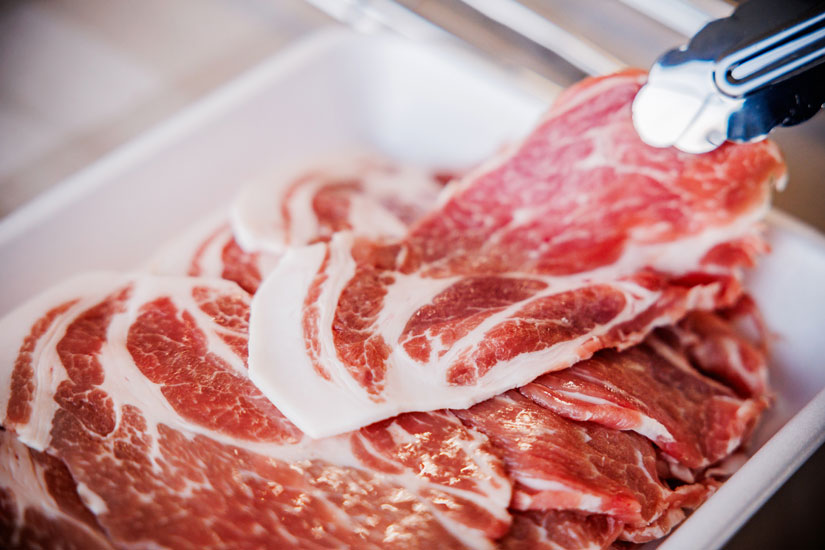
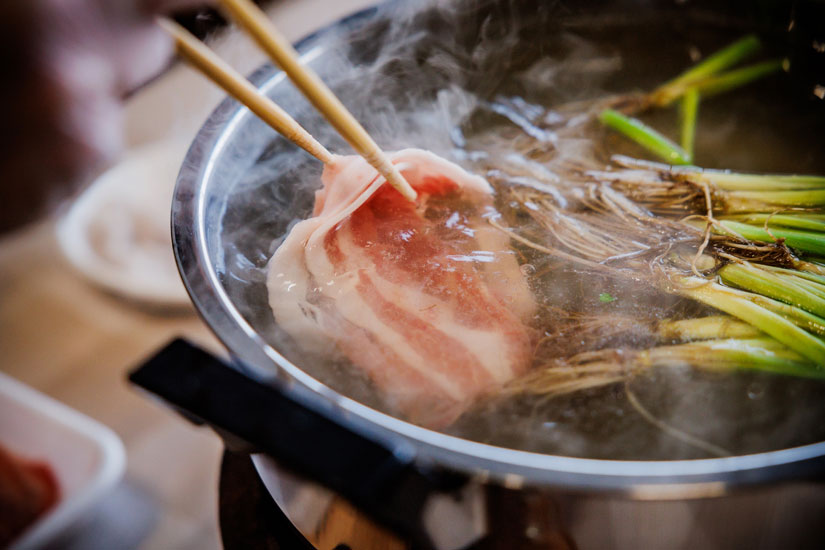
“Miyagino Pork” is a branded pork developed in Miyagi Prefecture. It is bred by cross-breeding the Shimofuri Red boar, resulting in a finely textured meat, a soft and rich flavor, sweet fat, and a refreshing taste. Among these, pigs fed rice during the finishing stage before shipment are called “Miyagino Pork Minori”.Its fat has no cloying richness, so when enjoyed as shabu-shabu, it produces no scum and leaves a refreshing aftertaste, making it highly popular.
Producing pork suited to Japanese culinary culture by feeding domestically grown rice
According to President Sasaki, the proportion of feed rice varies by farm. At Pig Yume Farm, they mix a fixed percentage of domestic rice into the compound feed from the Zen-Noh Group. This increases oleic acid, enhancing flavor and texture while improving the quality of the fat. The result is melt-in-your-mouth, smooth texture.Overfeeding leads to excessive fat and an overly plump finish, making the feed ratio crucial for flavor. He explained that using domestic rice stems from a desire to produce pork suited to Japan’s unique food culture.
They also pay meticulous attention to the feed mixture. Sasaki states, “Breed is important, of course, but feed is equally crucial.” He recalls a time when they altered the feed ratio and consumers pointed out a decline in flavor. After much trial and error, they settled on the current feed. Based on data like protein content, they have a custom feed made for their farm, primarily composed of corn and soybean meal.
Raising pigs healthily in a stress-free environment
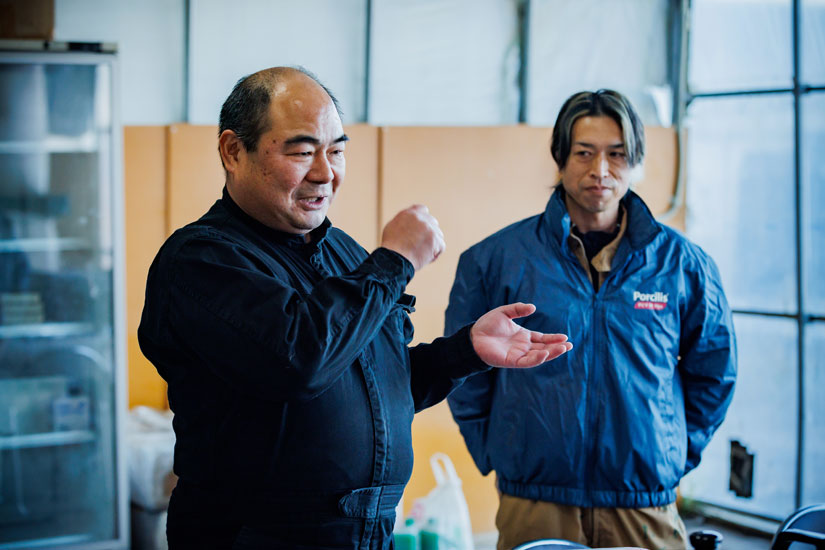
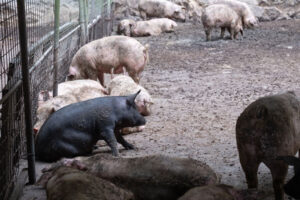
Farm manager Yamato Ishikawa, who has been involved in pig farming for 15 years, says, “Raising pigs is still very challenging,” while highlighting disease prevention as his top priority. If the herd contracts swine fever, culling the entire flock becomes unavoidable. Therefore, strict hygiene management is essential. Particular attention is paid to minimizing stress for the pigs.Since interaction with humans causes stress for pigs, staff avoid entering the pig pens except for farrowing or nursing. Furthermore, they pay close attention to the space allocated per pig. Too little space causes stress, while too much space can lead to uneven growth and increase accident rates. Therefore, accurately judging the space needed according to the pig’s growth stage is crucial.
Raising piglets properly is essential for producing quality meat pigs
Many pig farms use veterinary drugs like antibiotics, synthetic antimicrobials, and dewormers for disease treatment and prevention. However, at “Pig Dream Farm,” they raise pigs without using such drugs as a basic principle, so they maintain strict hygiene management in the pig barns.To raise disease-resistant pigs without relying on drugs, it’s necessary to boost their immunity from the piglet stage. This involves ensuring piglets consume sufficient colostrum from their mothers and limiting drug use for illnesses, relying solely on vaccinations.
Consistent management since founding achieves top-level pig farming in the prefecture
Did you know that pigs also have a grading system, similar to the A5 ranking for beef?The Japan Meat Grading Association assigns five grades—”Superior,” “High,” “Medium,” “Standard,” and “Below Standard”—based on quantified criteria like fat thickness, meat firmness, and grain fineness. While beef grading combines “yield grades (A, B, C)” and “meat quality grades (5 to 1)” into a 15-tier system, pork grading is simpler.
While top-grade meat is extremely rare, Sasaki explains, “We aim for pork that is delicious and accessible to the average person, not just a luxury item for a select few.” At Pig Dream Farm, grades of Superior (including Top) and Medium account for over 90% of their output. Though this grading isn’t directly visible to consumers, it serves as a crucial benchmark for measuring quality within the distribution chain.
Thorough Management to Deliver Delicious and Safe Food
Maintaining this high grading requires careful judgment on shipping timing. While the average rearing period is 180 days, some pigs ship as early as 160 days, based on thorough observation of weight and body condition. While many farms rely on visual weight estimation (“meikan”), Pig Dream Farm measures each pig daily before shipping, factoring in yield.
This management approach results in grading performance and shipment volume that rank among the top in the prefecture. At the annual Agriculture, Forestry, and Fisheries Festival (Miyagi Prefecture Comprehensive Livestock Exhibition: hosted by the Miyagi Prefecture Livestock Association), the farm has won numerous “Minister of Agriculture, Forestry and Fisheries Awards” for nearly 20 years (excluding periods when the event was not held due to the COVID-19 pandemic).The Agriculture, Forestry, and Fisheries Festival is a celebration aimed at deepening public understanding of agriculture, forestry, fisheries, and food, while also boosting producer motivation. Originating from Japan’s traditional harvest festival, the Niinamesai, the farm is invited to participate each autumn by the Chief Priest of Meiji Shrine.
Generating Profit Through High-Quality Pig Farming
The current annual shipment target is set between 8,500 and 9,000 pigs. Much of the corn, soybeans, and wheat used in feed relies on imports. Although feed prices have surged due to the weak yen, passing on these costs is difficult.
Shipments decrease in summer due to reduced pig appetite, while winter shipments increase due to the breeding cycle. Increasing summer shipments is expected to boost sales. Therefore, Pig Dream Farm implements countermeasures against summer heat, such as cooling pads that use evaporative cooling to lower air temperature and lime application to reduce roof surface temperatures.
While currently distributing to supermarkets in Miyagi Prefecture through the National Agricultural Cooperative Federation, they are also considering sales in Tokyo. Following a highly successful event at the Tokyo Meat Market, they reportedly received requests from wholesalers asking, “We want to carry your products too.”
Production Challenges: Animal Welfare and Aging Facilities
We asked about future challenges. Mr. Sasaki stated, “Animal welfare standards are becoming stricter, particularly in Europe, and methods like free-stall housing are increasingly demanded in Japan too. However, ‘stall housing,’ where sows are kept individually in pens, also has benefits, preventing fights between pigs and the crushing of piglets.” He added that they will continue to closely monitor the government’s animal husbandry management guidelines.
Animal welfare refers to the concept of ensuring livestock are physically and mentally healthy while minimizing stress and suffering, also translated as “livestock management considering animal comfort.”
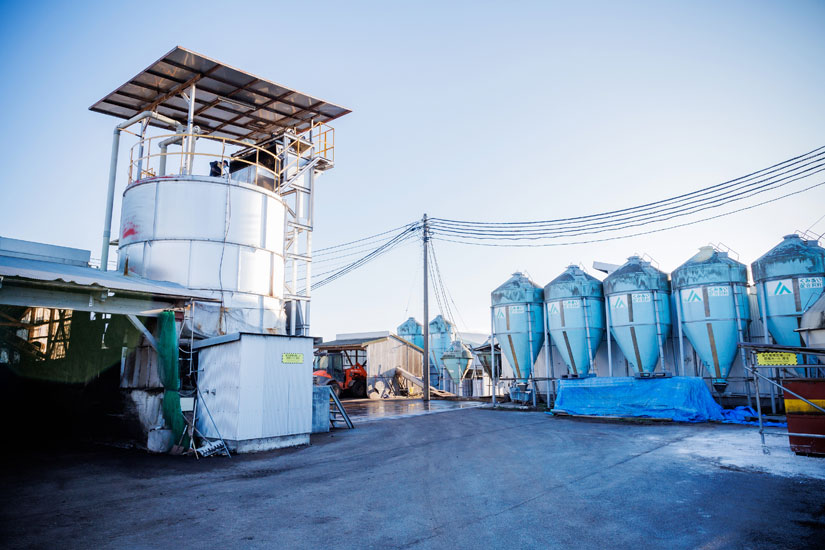
He also notes that “disease prevention and facilities present challenges.” Over 20 years have passed since the company’s founding. While they continue to use not only the pig barns but also manure processing facilities and machinery, performing repairs as needed, defects due to aging are unavoidable. This remains an ongoing management challenge.
Future Focus: Maximizing Production Value Through “Sixth Industrialization”
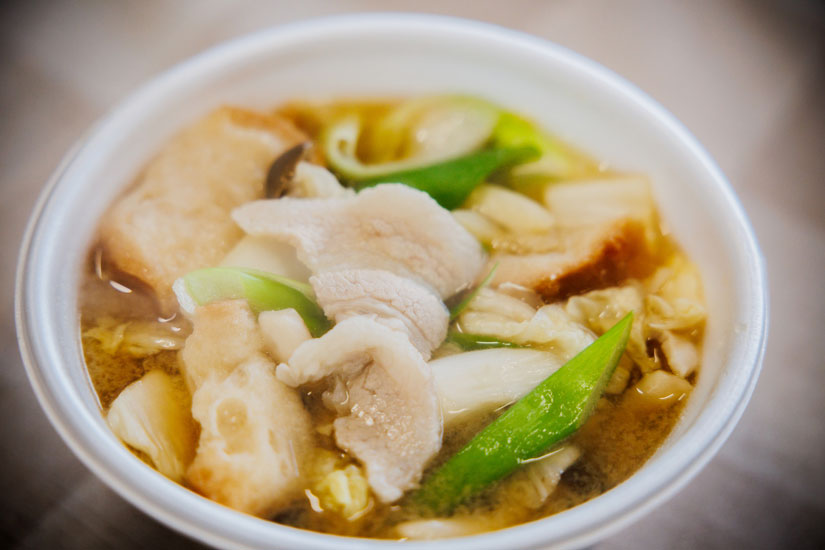
When asked about future plans, the response was: “We want to rebuild the farm and create an integrated system handling everything from processing to sales.” The goal is not merely to strengthen production but to pursue “sixth industrialization.” By completing the entire process—from production to processing and sales—in-house, they can enhance added value and more easily maintain brand strength. This approach is expected to offer benefits such as reduced vulnerability to market price fluctuations, building a loyal customer base, and contributing to the local economy.
Miyagino Pork Minori—take one bite and its rich flavor fills your mouth. You’ll be amazed by its light yet sweet fat. We urge gourmet fans nationwide to try it at least once.