
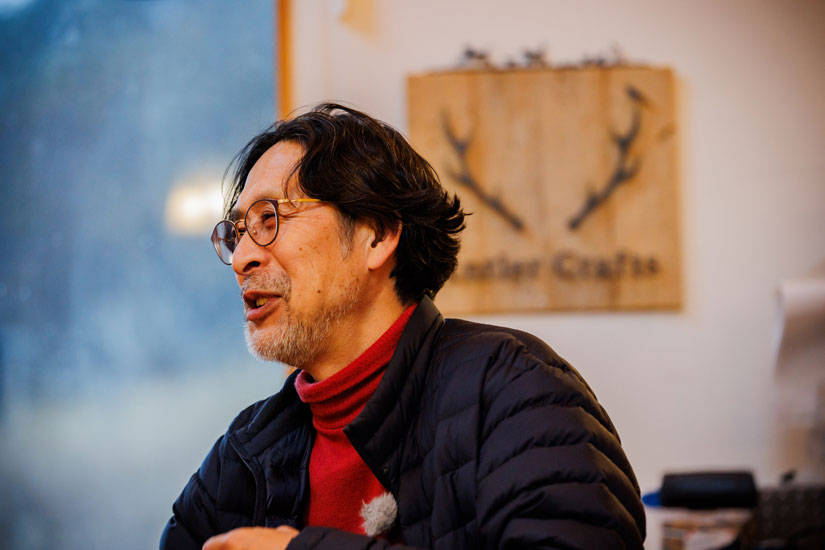
Mr. Onodera continues to grapple with the act of “receiving life” through hunting. Raised in Kesennuma City, he worked as a chef in Tokyo before returning to Miyagi. He handles everything from hunting to butchering and sales, while exploring the coexistence of nature and people. What motivates him to continue his efforts to carry the cycle of life into the future?
From Growing Up on an Island to Becoming a French Chef in Tokyo
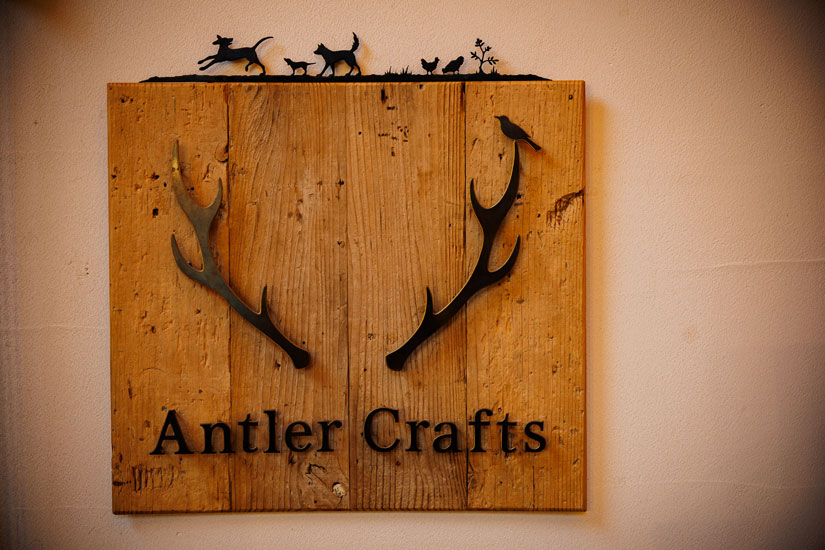
Mr. Onodera is originally from Oshima in Kesennuma City, which lies north of Ishinomaki City. He grew up on the island and commuted to the mainland by boat until the Kesennuma Bridge was completed in 2019.
Kesennuma City, once prosperous thanks to the tuna fishing industry, was reportedly a bustling hub, with major department stores opening there. Mr. Onodera, who spent his youth in Kesennuma, moved to Tokyo after graduating.
He had long dreamed of the urban lifestyle he’d seen on TV and in magazines. He immersed himself in fashion and nightlife and worked as a French chef, but the unfamiliar city life and the grueling work in the kitchen gradually pushed his body and mind to their limits, and about three years after moving to Tokyo, he decided to return to his hometown.
Rethinking Our Relationship with Life Through Hunting
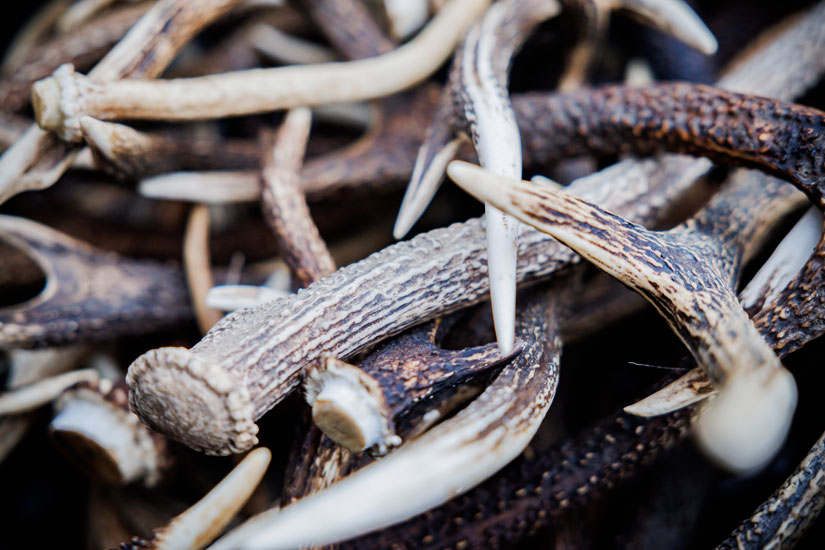
After returning to his hometown, Mr. Onodera changed jobs to work for a company in the apparel and leisure industries. While working there in a role that brought him into contact with nature, he became interested in hunting—partly because the company’s president was a hunter and partly because his uncle also hunted as a hobby. At the time, damage caused by Japanese deer to crops and forests was becoming a growing problem in Miyagi Prefecture, and trapping efforts as a measure against nuisance wildlife were expanding. Spurred by these circumstances, he decided to obtain a hunting license.
Pause to ask, “Why are we doing this?” and determine the path forward
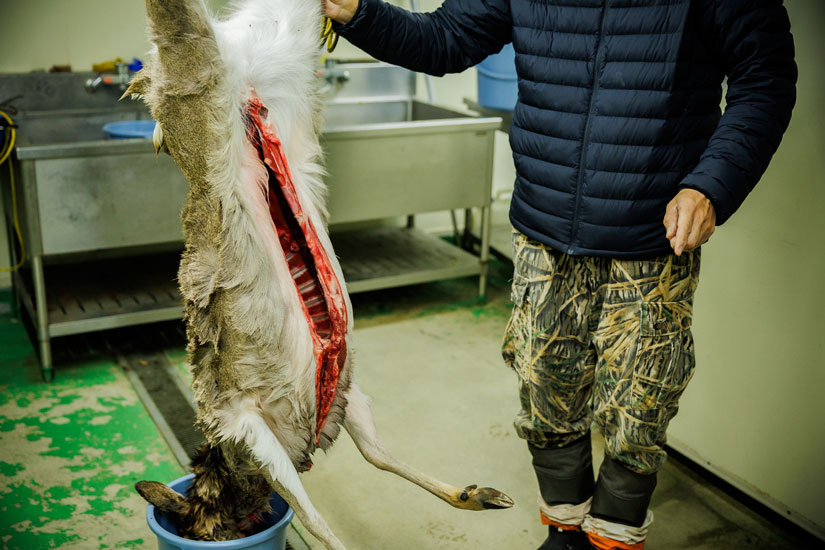
Around 2010, as the population of Japanese deer in Miyagi Prefecture grew, damage to crops and forests became more severe, leading to the announcement of a plan to cull the deer through hunting. As a result, Mr. Onodera found himself hunting even outside the official hunting season. However, as the number of deer he could hunt in a single day increased, some of his colleagues began saying, “We don’t need any more venison.” Seeing the Japanese deer being discarded and left to rot, Mr. Onodera began to wonder, “What are we doing this for?”
Japanese deer are simply trying to reproduce, following their instincts. Their habitat has shrunk due to human interests, forcing them to come down into the villages, yet they are targeted for culling because they are deemed a “threat to human life.” Mr. Onodera, who had loved animals since childhood, recalls that when a fellow hunter told him, “You mustn’t feel sorry for them,” he realized, “I don’t have that kind of mindset.”
“At the very least, I’ll make sure the deer I hunt are turned into something delicious to eat.” That resolve profoundly changed the course of Mr. Onodera’s hunting life.
Following the Earthquake: Charting a Path Toward the Revival of Food Culture
In 2011, while he was experimenting with various methods—such as bleeding the meat, removing the internal organs, and soaking it in mountain stream water or seawater—to make venison more palatable, the Great East Japan Earthquake struck Ishinomaki City. When Mr. Onodera returned from the mountains, what met his eyes was a hometown that had been completely transformed. The tsunami had engulfed the town, and the familiar landscape had vanished without a trace. Even so, Mr. Onodera had no choice but to do what he could. He gathered the venison he had on hand and delivered it to evacuation centers. The realization that the meat—a gift from a living creature—could give strength to others quietly took root within him. After overcoming the disaster, Mr. Onodera eventually met renowned chefs from Tokyo who had come to provide meals at the evacuation centers.
“I admit I felt a little bit like I was taking advantage of the situation…” Mr. Onodera recalls. He had the famous chefs sample the venison he had prepared himself, as well as venison prosciutto, and refined the flavors through repeated trials.
Through these activities, she had the good fortune to meet Takeshi Kobayashi, a music producer deeply involved in post-Great East Japan Earthquake reconstruction efforts, and became involved in the “Reborn-Art Festival” he organizes. Upon learning of Ms. Onodera’s work, Mr. Kobayashi proposed, “Since we’re at it, let’s build a processing facility.” And in 2017, the current facility was completed, enabling the company to handle everything from the butchering to the sale of Japanese deer meat under one roof.
Basic Rules for Taking a Life
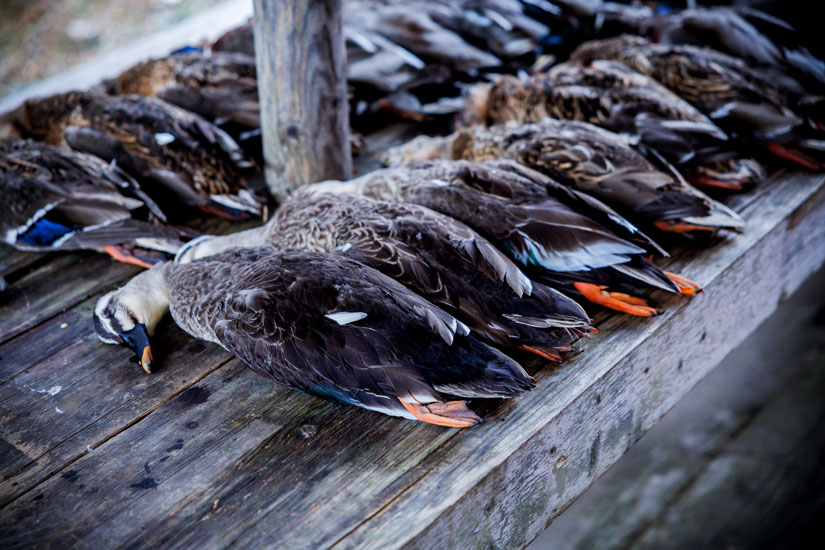
Mr. Onodera hunts by aiming for the head or neck of a Japanese deer and taking it down with a single shot. Holding his rifle, he looks through the scope with his right eye while keeping his left eye on the background to take aim at the Japanese deer being chased by his hunting dogs. This hunting method is the least stressful for the deer. Since it results in only a single wound, more of the meat can be used. Although it may seem like a very difficult technique, Mr. Onodera explained with a smile, “It’s just a matter of making a split-second decision. Once you get used to it, it’s fine.”
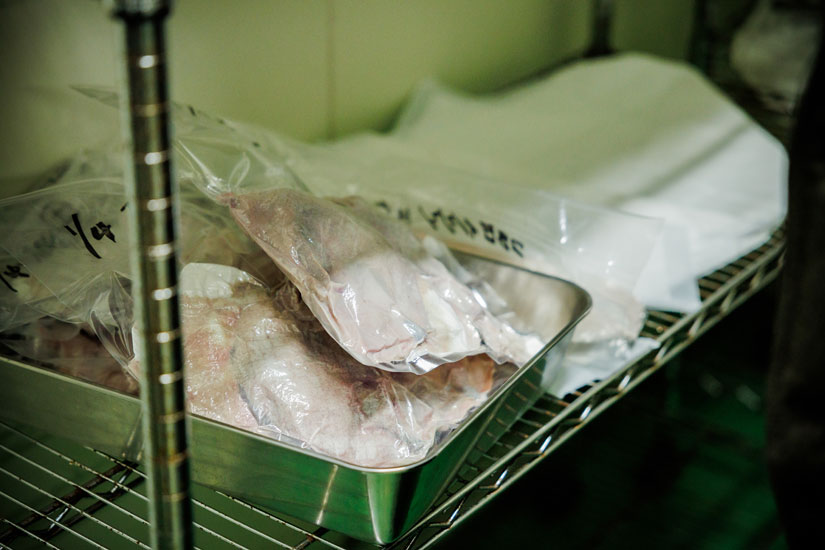
The hunted Japanese deer are bled out immediately while their hearts are still beating. They are then butchered at the company’s processing facility, and the moisture is gradually removed over the course of about a month in a sterile room. Mr. Onodera calmly explains that processing the meat into something delicious is “the minimum rule we must follow when receiving a life.”
Looking Toward the Future of Forests and People
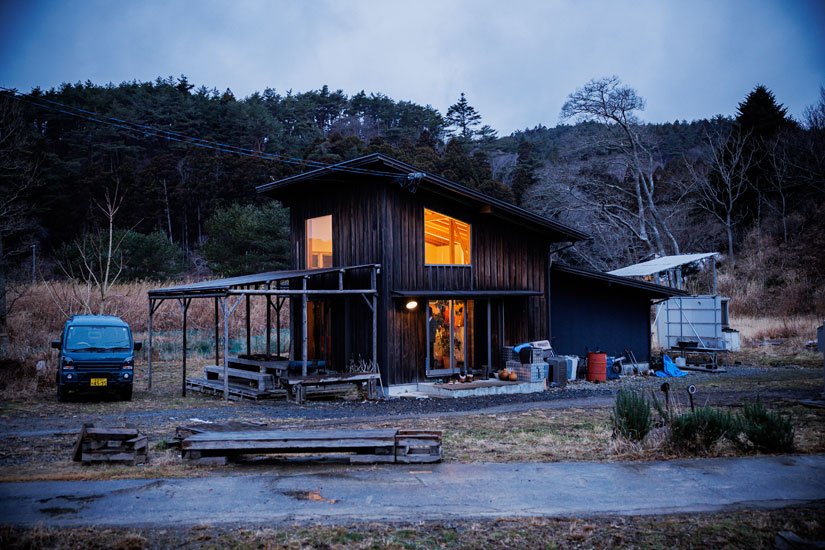
Although the current focus is solely on culling Japanese deer, Mr. Onodera envisions that “rather than culling just one species, we need a solution that takes into account the ecosystem of the forest as a whole.” Preserving the forest—including not only animals but also plants—is an urgent priority.
As part of his educational efforts, he regularly holds workshops and art events. He hopes to teach children the value of “wild animals becoming ‘food’ and the act of receiving life,” and to spark their interest in the ecosystems and nature around them through art.
Many young people and artists are drawn to this place, drawn to Mr. Onodera himself.
“Well, as long as they gather on their own and do what they like, that’s fine,” says Mr. Onodera with a smile, welcoming them with open arms.
Mr. Onodera transforms wild animals—captured for human convenience—into exquisite ingredients, utilizing every part without waste. To me, his approach embodied the ideal human attitude: one that expresses gratitude for all living things and embraces the bounty of nature.