
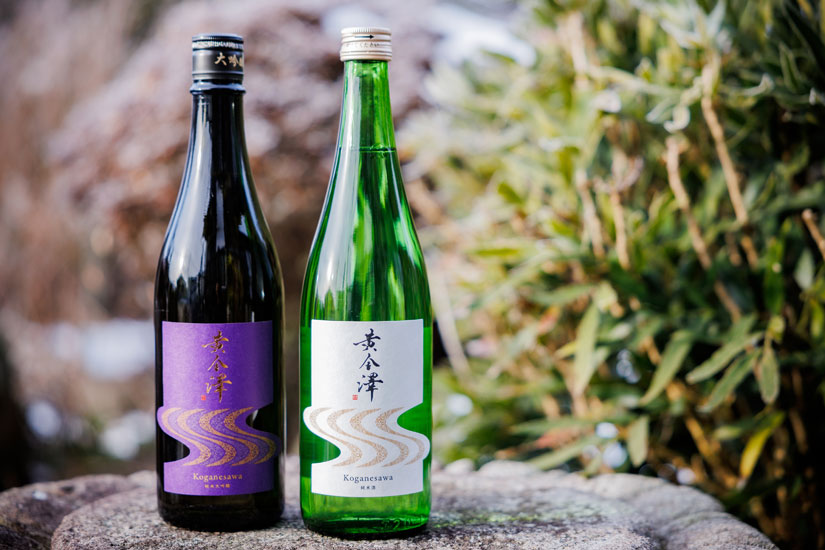
Yuri Kawana serves as both the representative and head brewer at Kawakei Shoten. While honoring tradition, she embraces new techniques and challenges, approaching sake brewing with the philosophy that “tradition is preserved only by pushing boundaries.” In particular, the flagship brand “Koganesawa” captivates a wide range of people—from beginners to connoisseurs—with its rich aroma and smooth finish. What does Yuri value most in her pursuit of crafting sake that stands out?
Established 120 years ago. “Kawakei Shoten” was founded by a merchant family with ties to the Date clan.
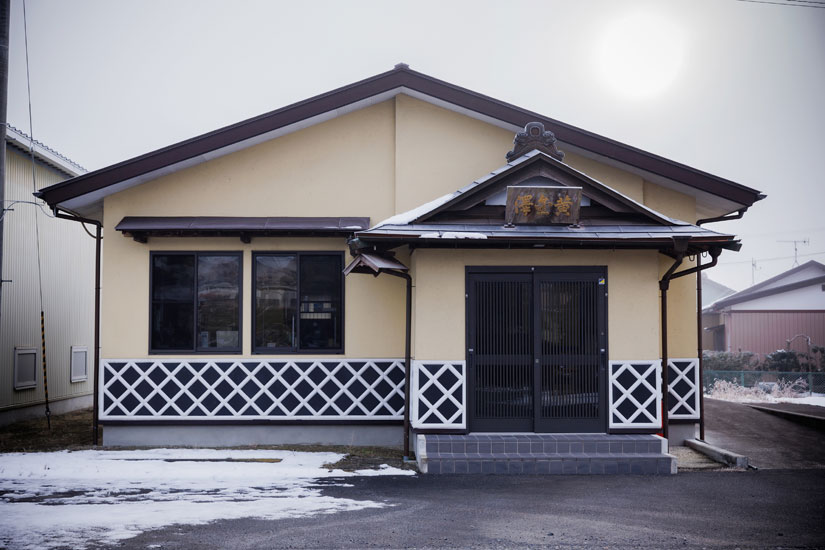
In 1902, the first-generation Keiji Kawana founded “Kawakei Shoten” in Wakuya Town, Toda District, in northeastern Miyagi Prefecture. The company traces its roots to a hardware merchant who served the Date clan of the Sendai Domain. Following the Land Tax Reform, which granted him farmland, he relocated to Misato Town, located south of Wakuya Town. Although Misato Town was known since ancient times for its fertile soil and thriving rice production, the land acquired by the Kawana family was largely marshy and unsuitable for rice cultivation. Consequently, they turned their attention to sake brewing as a livelihood independent of agriculture and decided to establish a brewery.
Continuing to produce unique sake using the Yamahai brewing method
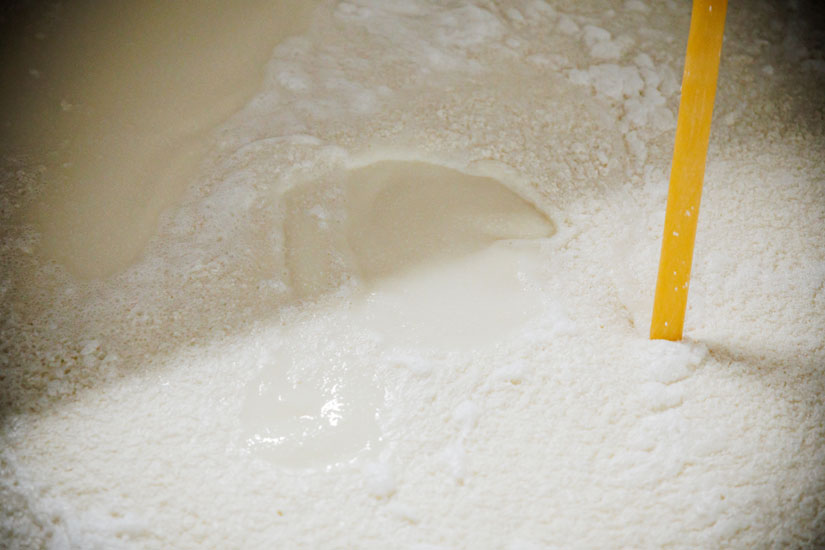
Since its founding, Kawakei Shoten has been committed to the “Yamahai-style brewing” method, which utilizes natural lactic acid bacteria to cultivate the shubo (yeast starter). The shubo is the process of cultivating yeast to create the foundation for fermentation, and it is a crucial factor that determines the flavor of sake. Because this method is time-consuming, labor-intensive, and requires a high level of skill, the brewery once limited production to about 60% of its capacity and relied on “sokujo-zukuri” (rapid fermentation), which involves directly adding artificially produced lactic acid, to make up the difference. However, Yamahai-style sake now accounts for 90% of production. Yuri explains the reason: “Yamahai-style brewing allows each brewery to express its unique character, enabling us to convey the distinctive flavor of Kawakei Shoten. I feel it is indispensable to Kawakei Shoten today.”
Carefully brewed using locally sourced rice and water, “Koganesawa” is characterized by its delicate and refined flavor and is highly regarded as a sake that pairs well with meals. Another reason for its popularity is that it tastes delicious at any temperature—whether served chilled, lukewarm, or hot. The name originates from the fact that it was brewed by a merchant from Wakuya Town, a region famous for gold mining.
The Role of an Only Daughter Raised in an Era of Declining Interest in Sake
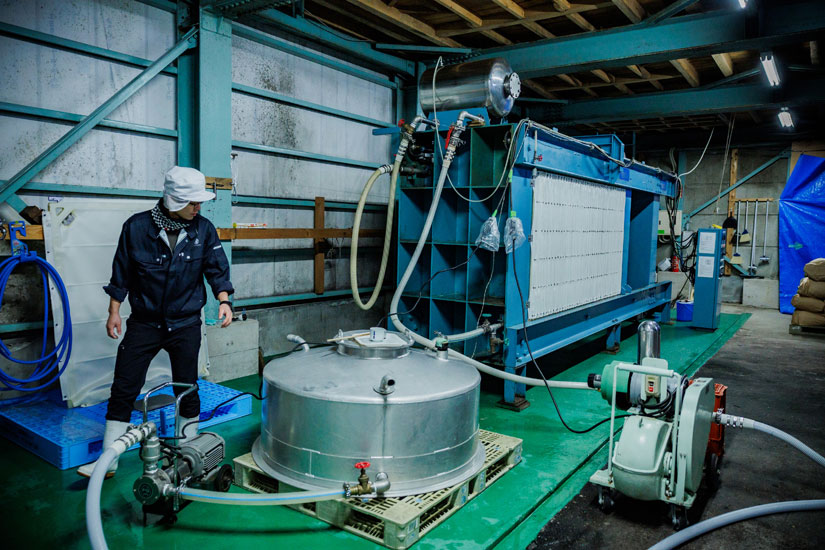
For Yuri, having a sake brewery as part of her everyday surroundings since childhood was simply a given, but she says she never gave much thought to the history and craftsmanship that lay within it. However, as she grew older and came into contact with the memories of her community and family, she gradually began to understand its significance.
Partly because sake consumption plummeted during her formative years, she had come to view sake brewing as an “unrewarding job.” However, the Great East Japan Earthquake of March 2011 changed her perspective. Her family home collapsed, and since restoration took time, she began to reflect on the significance of being born as the only daughter of a family that ran a sake brewery.
Learning every aspect of sake brewing from scratch and aspiring to become a master brewer
In the wake of the earthquake, Yuri, the only daughter of the Kawake family, began to consider taking over the family business. Regardless of whether she would actually take over the business, she decided to find out what sake brewing was really like, so she participated in a 40-day training course held at the Tokyo Office of the National Research Institute of Brewing (which was merged into the headquarters in Hiroshima Prefecture in 2015). The National Research Institute of Brewing is a government research institute dedicated to studying the quality of alcoholic beverages and brewing techniques; it also offers educational programs that attract sake brewers from across the country. “Once I tried it, I found sake brewing to be quite interesting,” she recalls with a laugh.
That feeling encouraged her to learn sake brewing from scratch, and in 2012, she joined Kawakei Shoten. She says she was initially confused and knew nothing, but as she learned from those around her, she gradually began to discover the appeal of sake brewing. Then, following her father’s passing, she took on the responsibility of sake brewing as the head brewer in 2019.
Assessing the quality of the ingredients to craft a delicious sake
Yuri is particular about washing the rice by hand. While she does use some machinery, she says that washing 5-kilogram batches by hand allows her to closely monitor for broken grains and check the rice’s water absorption, making it easier to achieve the desired sake profile. In recent years, rice has tended to become harder, and since the washing method can significantly affect the quality of the sake, she pays the utmost attention to this process. When washing, she explains that she does not scrub the rice vigorously as one would with table rice, but rather washes it gently, with the aim of gently removing the bran.
Striving to produce better sake, we are exploring new flavors at Kawakei Shoten
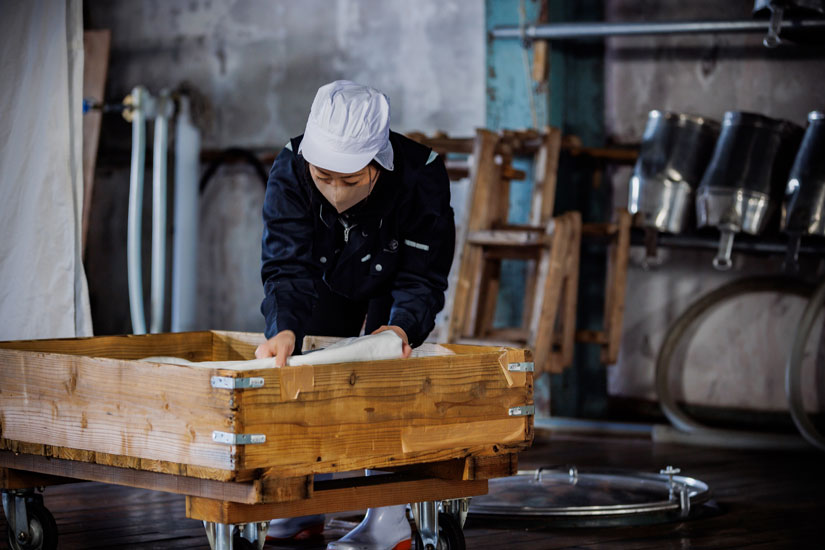
Kawakei Shoten’s current sake brewing is guided by the theme of “brewing with a pure heart, always keeping our drinkers in mind.” To achieve this, the brewery strictly adheres to the “ginjo-style” method, which involves long-term, low-temperature fermentation from the koji-making stage through the yeast starter and mash. This process ensures the sake develops a clean, refined flavor.
However, the brewery notes, “Compared to other companies’ koji, ours has a somewhat subdued character, so we’d like to try our hand at producing a more robust koji in the future.” Their goal is to create sake with both clarity and a solid structure.
“Koganesawa’s Position”: A Reassessment Amid the COVID-19 Pandemic
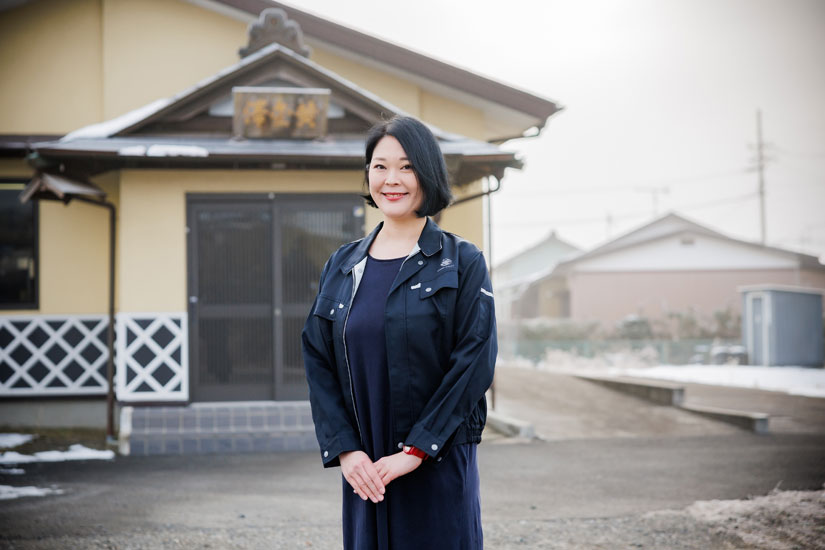
Amid declining demand for sake during the COVID-19 pandemic, Yuri chose to dedicate time to reevaluating the brand. As a result, she says the appeal and positioning of “Koganesawa” have become much clearer. The goal is to pursue a sake that “harmonizes with the dining table” and pairs well with any dish, while remaining a constant presence in people’s lives. To that end, she is determined to “continue taking on new challenges and create even more delicious sake.”
Though not flashy, it complements food and enriches the drinker’s experience. It is this accumulation of such moments that represents the value Kawakei Shoten has upheld for 120 years. “Koganesawa” will continue to evolve and remain beloved for years to come.