

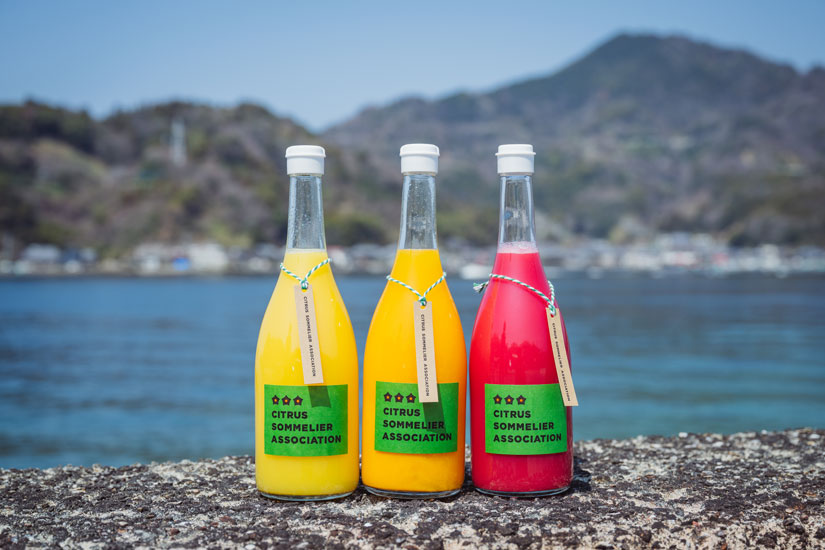
The “NPO Citrus Sommelier Ehime” was founded with the mission of “bringing Ehime’s citrus fruits into subculture.” In 2020, a group of young citrus farmers led by Shinji Ninomiya, the organization’s chairman, launched the “Citrus Sommelier Licensing System” based on the idea that “it would be interesting to have citrus sommeliers, just like there are wine and vegetable sommeliers.” Since then, this system has served as a catalyst, drawing more and more people into the world of citrus—a world that captivates the more you learn about it.
Why Ehime Prefecture Is Truly the Citrus Capital
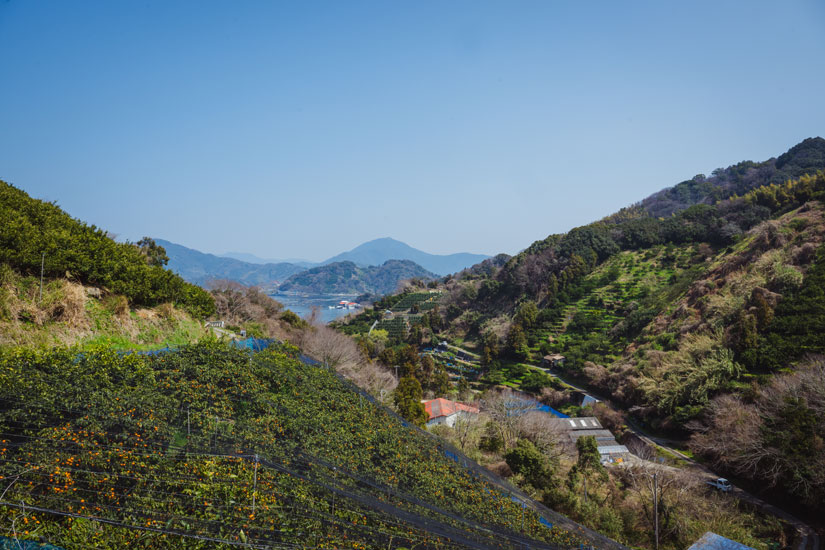
Ehime Prefecture is known as the “Citrus Kingdom,” boasting the highest citrus harvest volume and the widest variety of citrus fruits in Japan—so much so that citrus is the first thing that comes to mind when people think of the prefecture. With unique varieties such as Benimadonna, Kanpei, and Beniprincess, and thanks to a succession of harvests throughout the year, citrus fruits are available in the market nearly year-round, which is why the prefecture is called the Citrus Kingdom.
Citrus cultivation takes place throughout the prefecture, with particularly high production volumes along the entire coastline. Furthermore, Uwajima City, located in the Nanyo region, is the center of citrus cultivation and is also known as the birthplace of mandarin orange cultivation in Ehime Prefecture, where the cultivation of Satsuma mandarins first began. The terraced fields spreading across the steep slopes of the rias coastline are a defining feature of Uwajima City’s landscape.
The Citrus Sommelier Certification Program from Uwajima, a Major Citrus-Producing Region
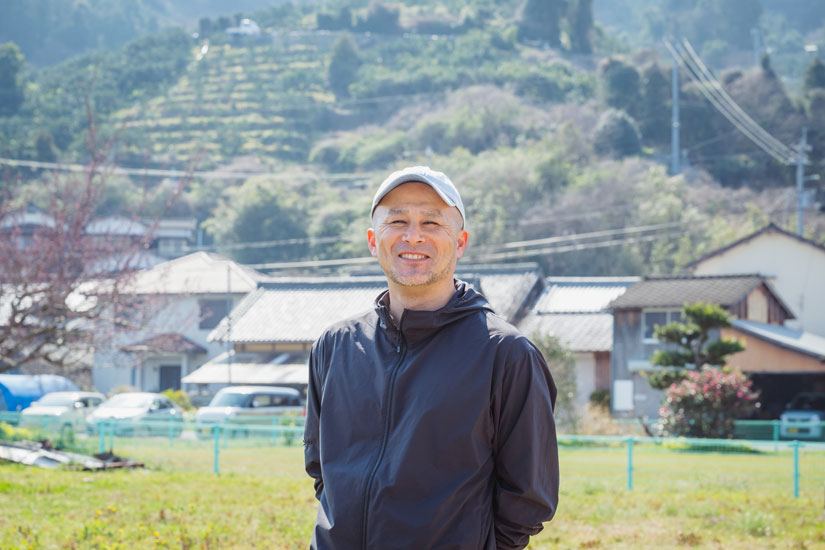
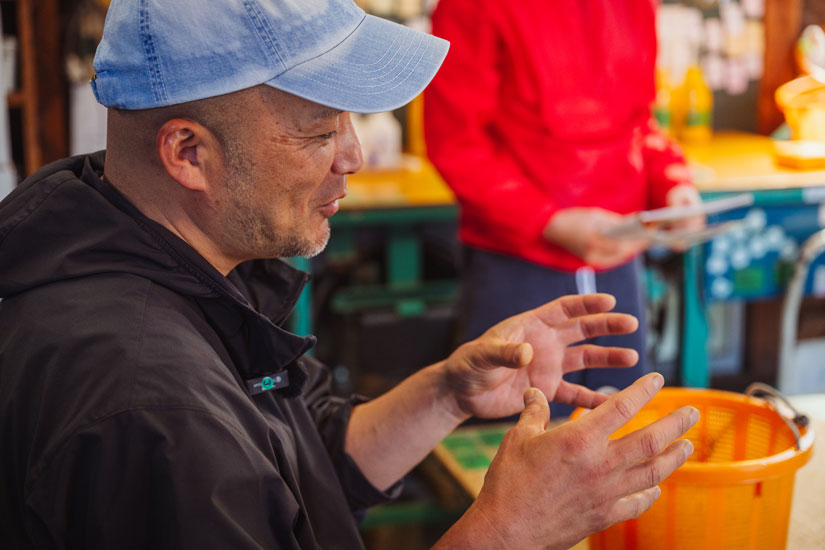
In Uwajima City, a region renowned for citrus cultivation, Shinji Ninomiya launched the “Citrus Sommelier Licensing System” while running his own citrus farm. Born and raised in Uwajima, Ninomiya comes from a family of citrus farmers dating back to his grandfather’s generation; however, he had no intention of taking over the family business and was working in the apparel industry in Kyoto. However, when his grandfather passed away in his mid-20s, it prompted him to seriously consider taking over the family business. “From the late 1990s to the early 2000s, around the time I was deciding whether to take over the family business, the citrus industry was in a slump, weighed down by the economic downturn. ‘A few years had passed since I took over the family business, and just as I was starting to feel comfortable with farming, I was talking with local farmers of my generation about what interesting things we could do to revitalize the citrus industry and the region. At that time, we got excited about the idea of, “Wouldn’t it be interesting if there were citrus sommeliers, just like there are for wine or vegetables?” That moment became the catalyst for launching the Citrus Sommelier Licensing System,’ says Ninomiya. From there, centered around local citrus farmers, professionals from various fields and citrus enthusiasts who shared our vision came together to establish the NPO Citrus Sommelier Ehime, with the aim of conveying the deliciousness and joy of citrus. They launched the Citrus Sommelier Licensing System.
From a mere luxury item to a subculture
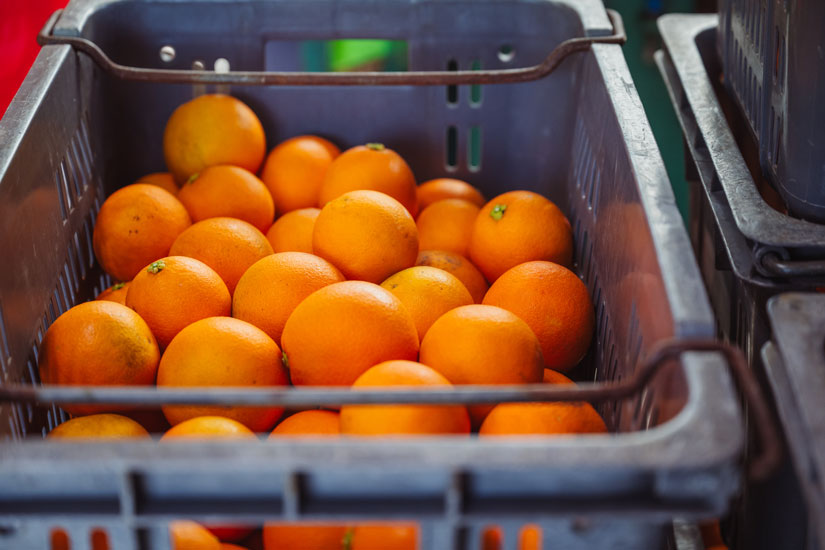
“Citrus fruits come in many varieties, each with its own unique character,” says Ninomiya. “From their beautiful colors and charming shapes to their flavors and aromas, the sound they make when peeled, and the personalities of the growers and the characteristics of their regions—the stories behind them are diverse. That’s where I sensed a subcultural element.” Precisely because these are the citrus fruits Ehime takes pride in, he wants people to be able to choose the ones that taste good and suit their preferences. “I want people to become interested in citrus by learning about the variety of flavors, and I want them to freely share their love for citrus.” These sentiments lie behind the creation of the “Citrus Sommelier Licensing System.”
We train professionals who can fully appreciate citrus fruits through intensive courses in theory and practical skills
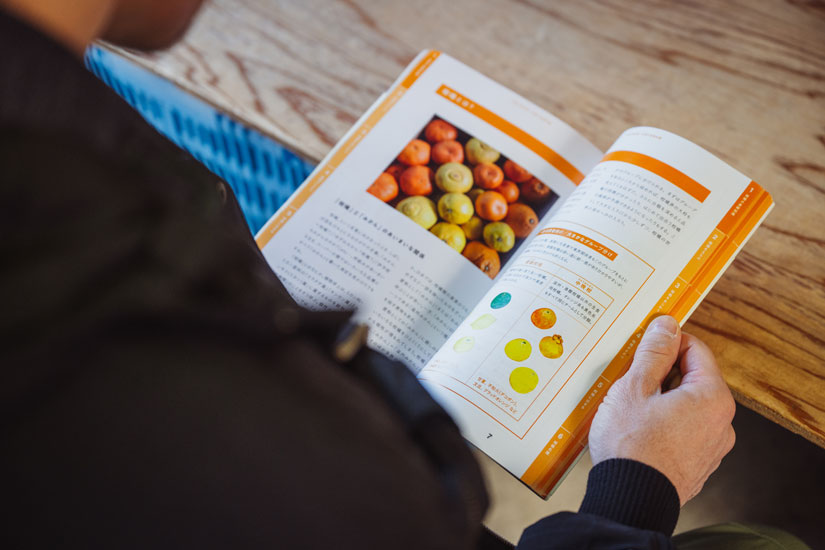
The Citrus Sommelier License can be obtained by completing a two-day course and passing the exam. The course consists of a theoretical component, where participants learn the basics of citrus fruits using a textbook, and a practical component involving tasting. The textbook used for the theoretical portion is the “Citrus Textbook,” which Mr. Ninomiya and his team reportedly created through trial and error. It is the industry’s first citrus guidebook. Starting with a definition of “what a mikan is,” it covers everything from the ambiguous relationship between mikans and other citrus fruits, to explanations of citrus classification and varieties, how to eat them, farming methods, sales and distribution, and history. It is said to be enjoyable not only as a textbook but also as a read.
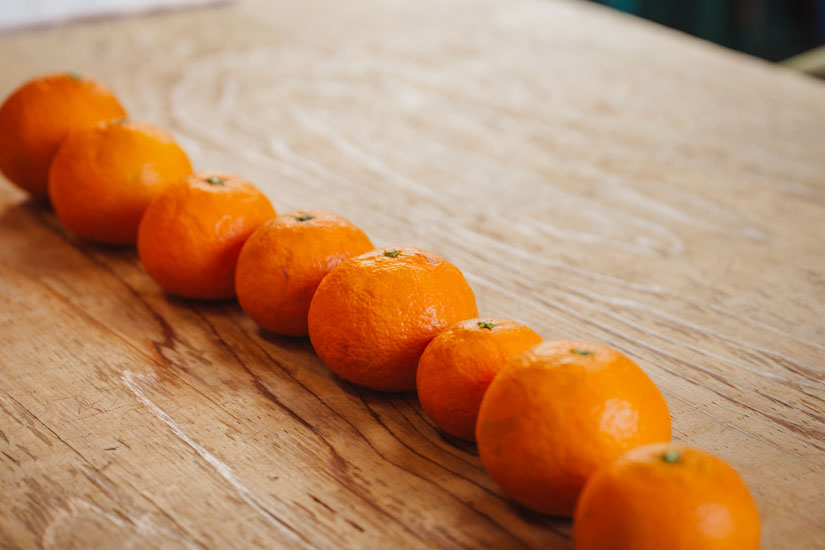
In the practical sessions, we use fresh fruit and juice to hone our ability to assess citrus quality, capture flavors through tasting, and develop the expressive skills needed to convey the appeal of citrus. While there are various methods for assessing quality, the stem provides a wealth of information. By examining color, shape, and size, we can determine sugar content, acidity, flavor intensity, and moisture levels. Sweetness can range from refreshing to thick and heavy, and aromas can vary from vibrant to mellow. Furthermore, participants learn to analyze and appreciate the elements that make up the flavor—such as the balance between acidity and sweetness and the aroma profile—moving beyond a simple judgment of “delicious” or “not delicious.” The ultimate goal is to discover ways to express the appeal of citrus fruits based on what they have learned.
“It would have been quicker if we had simply adapted the content of wine or vegetable sommelier courses, but because we wanted to incorporate what we ourselves felt as citrus farmers, it took time to finalize the course content. The response from those around us has been generally positive, and other producing regions are cooperating as well. Perhaps what was needed was a catalyst to revitalize the stagnant citrus industry,” he says.
To bring the appeal of citrus fruits closer to you
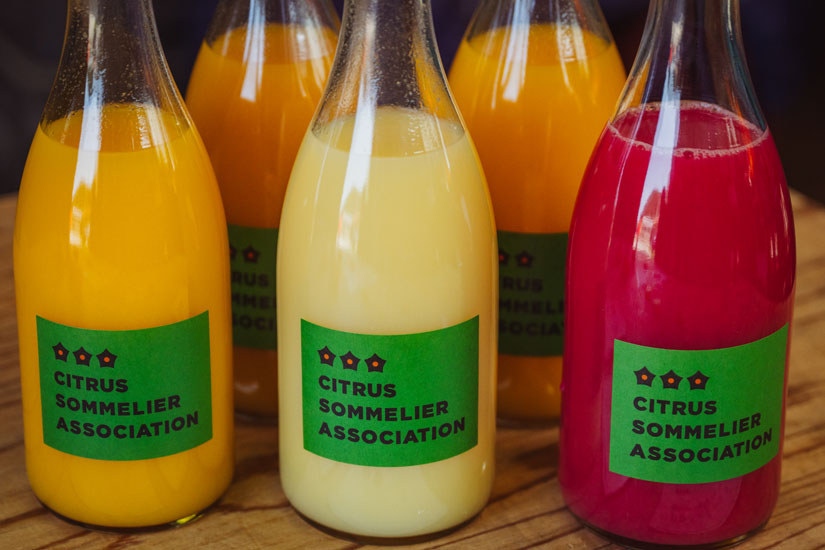
Alongside managing the Citrus Sommelier Licensing Program, Ninomiya and his team are also selling fresh fruit and pure juices through their online store. Their motivation stems from a desire to share the deliciousness and appeal of citrus in a more accessible way. Differences in varieties, and variations in flavor based on region and cultivation methods. As citrus sommeliers involved in production, the team members have spent their days working closely with citrus fruits, putting their unique characteristics and depth into words. The method they chose to share this knowledge with consumers is juice made by simply squeezing the fruit.
They use only citrus fruits grown by the citrus sommeliers themselves. Some juices highlight the distinct character of a single variety, while others blend multiple varieties to bring out a broader range of flavors. The diversity of citrus can be sensed through the way the sweetness develops, the lingering aftertaste, and the differences in aroma. By learning about the background—including differences in growing regions and producers—citrus becomes a deeper and more fascinating subject. Conveying the appeal of citrus through these experiences and increasing the number of people who enjoy it is also part of the citrus sommelier’s mission.
A citrus fruit that feels like my own child, yet is also a part of myself
While initiatives to promote citrus fruits are gaining momentum, the reality is that domestic demand for citrus continues to decline. Furthermore, the environment surrounding citrus cultivation is becoming increasingly challenging year by year. Factors include a loss of flavor intensity due to reduced temperature fluctuations caused by global warming, the need for large amounts of fertilizer as rising temperatures stimulate tree growth, and longer periods of disease and pest outbreaks. There are also challenges to maintaining the industry, such as labor shortages, the lack of successors, and the difficulty of mechanizing operations.
However, Mr. Ninomiya says there is still much that can be done. “Going forward, it’s important to adapt to these changes. This includes exploring cultivation methods that suppress growth and switching to varieties suited to the climate. When people say my citrus is delicious, it feels like they’re affirming me personally. I suppose I project myself onto the citrus. That’s why I want to do my very best with what I can do.”
I hope that as many citrus sommeliers as possible will go out into the world and make their mark
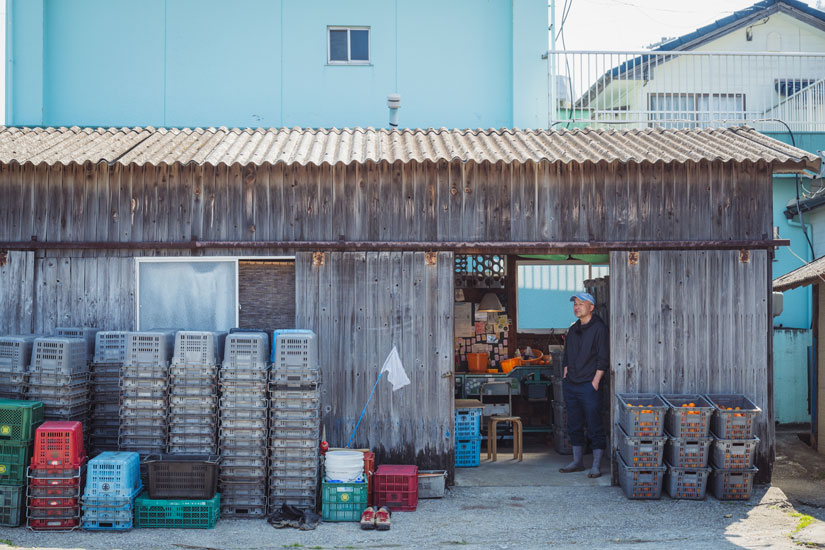
The Citrus Sommelier Certification Course, held two to three times a year, is so popular that spots fill up in as little as five minutes after registration opens. Although there have been requests to hold the course in various regions, the plan is to continue at this pace for the time being. Incidentally, the pass rate is around 65–70%, and those who pass are awarded a certification. Since the Citrus Sommelier License program began in 2020, over 200 Citrus Sommeliers had been certified as of March 2026, and they are active throughout the country as “professionals who enjoy citrus.” Mr. Ninomiya feels that the community of citrus enthusiasts has been growing as a result of these ongoing efforts. His future goals are to further expand this community and pass on this initiative to the next generation. This unique initiative, characteristic of Ehime—the “Citrus Kingdom”—is steadily yielding results.