

Ehime is one of Japan’s leading citrus-producing regions. Among its areas, the Maana district of Yawatahama City is known as the home of the premium Satsuma mandarin brand, “Maana Mandarin oranges.” How did they elevate Satsuma mandarins to the status of a premium citrus fruit? Behind this success lies the tireless effort of the “Maana Citrus Cooperative Sorting Committee,” which has worked to protect and nurture the region through the refinement of cultivation techniques and the enhancement of the brand image.
Overlooking the Uwa Sea, one of the prefecture’s leading mandarin orange-growing regions
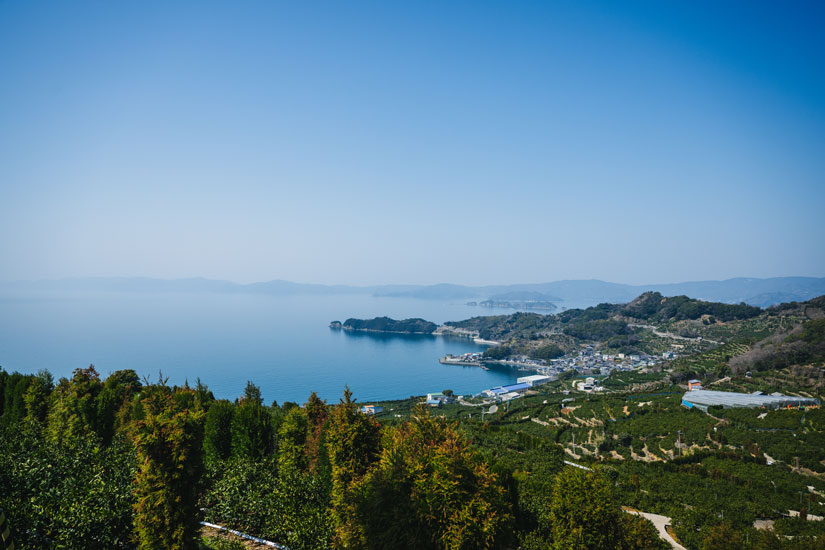
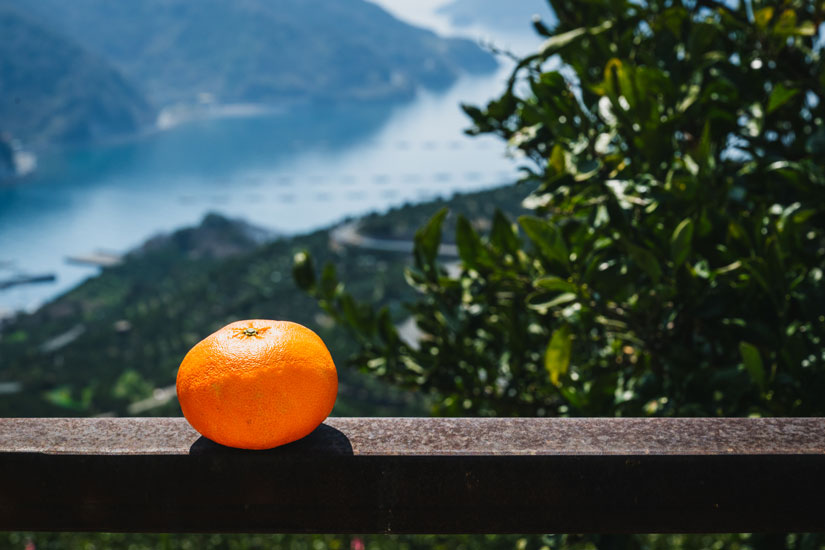
The Maajiro and Anai districts of Yawatahama City overlook the Sada Peninsula in Ehime Prefecture, located at the westernmost tip of Shikoku. “Maana” is the collective name for these two districts. It’s a 25-minute drive from the city center. As you drive along the coastline, you’ll soon come upon steep terraced fields. While this may be a common sight for locals, the interplay between the sea and the terraced fields creates a beauty reminiscent of Japan’s traditional landscape.
Maana Mandarin oranges are grown on these terraced fields overlooking the Uwa Sea. Known as a premium variety among Satsuma mandarins, they are highly regarded, particularly in the Tokyo metropolitan area.
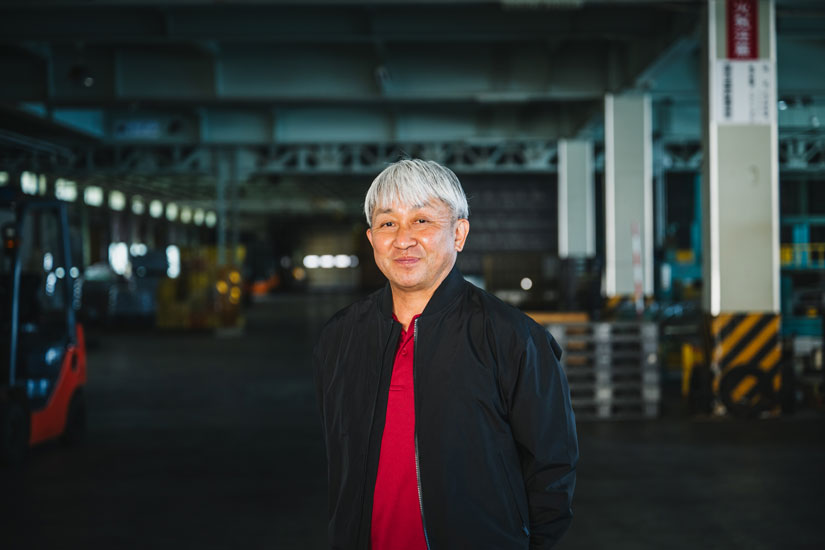
The Maana Citrus Cooperative Sorting Association (hereinafter referred to as “Maana Cooperative”), which handles everything from production to shipping, consists of 155 producers and JA staff, led by Cooperative Director Hiramasa Nakai. Most of the producers are natives of the Maana district. The community and the members of the Cooperative work together as one to produce high-quality Maana Mandarin oranges.
Branding Maana’s Satsuma mandarins as “Maana Mandarin oranges”
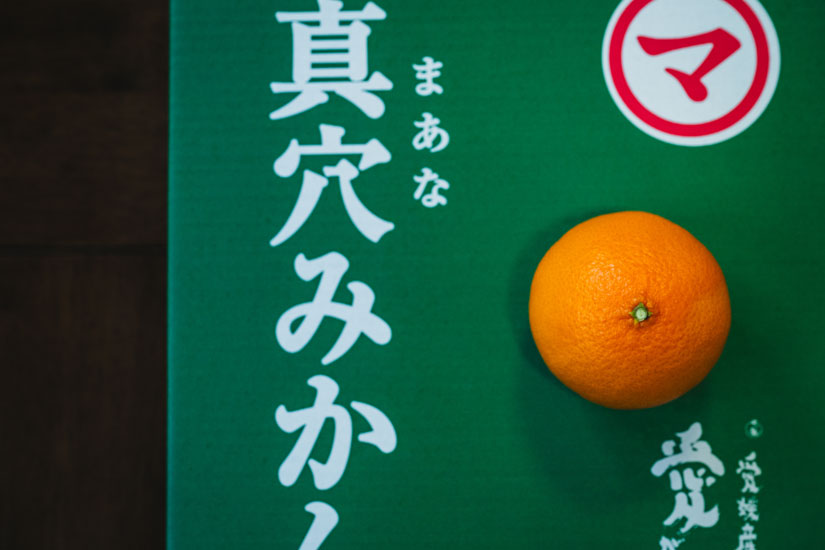
The history of mandarin orange cultivation in Maana began in 1900 (Meiji 33) with 300 saplings planted from Tachima in Yoshida-cho, Uwajima City—the birthplace of Satsuma mandarins in Ehime Prefecture.
With its rias coastline and terrain characterized by few flat areas and many slopes, this region was unsuitable for general farming. However, its warm climate, abundant sunshine, and good drainage made it an ideal environment for fruit cultivation. Our forebears cultivated the mountains, built terraced fields, and worked tirelessly to establish mandarin cultivation.
The region’s name became known nationwide in 1964 (Showa 39), when it became the first mandarin orange-producing area in Japan to receive the “Emperor’s Cup.” The Emperor’s Cup is the highest honor awarded to particularly outstanding agricultural, forestry, and fisheries producers from across the country. Taking this as an opportunity, the region committed to cultivating even higher-quality mandarin oranges and worked together to build the “Maana Mandarin oranges” brand, including registering it as a trademark.
A unique sweetness nurtured by “Five Suns”
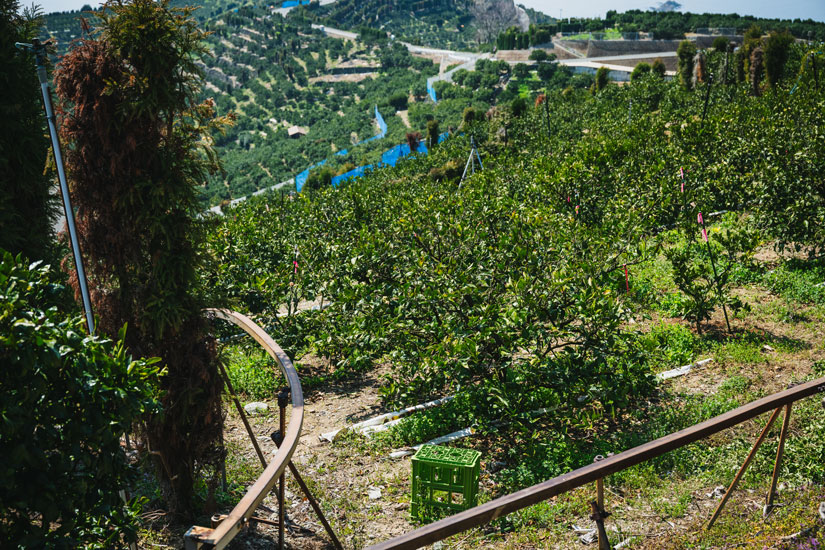
“The Five Suns,” which harness the natural terrain and traditional wisdom. This is said to be the secret behind the sweet, juicy flavor of Maana Mandarin oranges.
In addition to the three “suns” that have remained unchanged since the Meiji era—sunlight, the glimmer of the sea, and the reflection off the stone walls of the terraced fields—recent years have seen the addition of sunlight reflected from white agricultural mulch sheets laid to regulate soil temperature, retain moisture, and prevent fertilizer runoff during heavy rains, as well as reflections from the paved paths within the orchard. By skillfully utilizing these five sources of light to promote photosynthesis, the sugar content of the fruit is maximized.
Strict standards and taste testing by artisans

Shipments of Maana Mandarin oranges begin in late October, with the peak season running from November to December.
The harvested mandarins are transported to a sorting facility, where they undergo a rigorous selection process. State-of-the-art cameras and light sensors are used to measure sugar content, acidity, size, and shape, and the fruit is then graded accordingly.
Finally, a taste test is conducted by experienced professionals. “I consider this the most important criterion,” says Mr. Nakai.
Only fruits that pass these strict selection criteria receive the red seal of approval as Maana Mandarin oranges. The thin skin enveloping the flesh melts in your mouth, and the juicy pulp bursts with flavor—so much so that they are often referred to as “mandarin juice you can drink.”
All-weather multi-drip cultivation that withstands climate change
The Maana District has long been renowned for producing high-quality mandarin oranges thanks to its naturally arid climate, but in recent years, due to a succession of abnormal weather patterns, there has been an increase in years where the flavor of the fruit varies significantly. In particular, when the area is hit by heavy rainfall in the fall, the fruit fails to reach its full sugar content, leading to a decline in quality.
To address this issue, growers have adopted “mulch drip cultivation” (commonly known as “Marudori cultivation”). This method involves laying white mulch over the orchards to block rainwater, ensuring high quality is maintained regardless of climate fluctuations.
A groundbreaking technology with the potential to enable sustainable agriculture
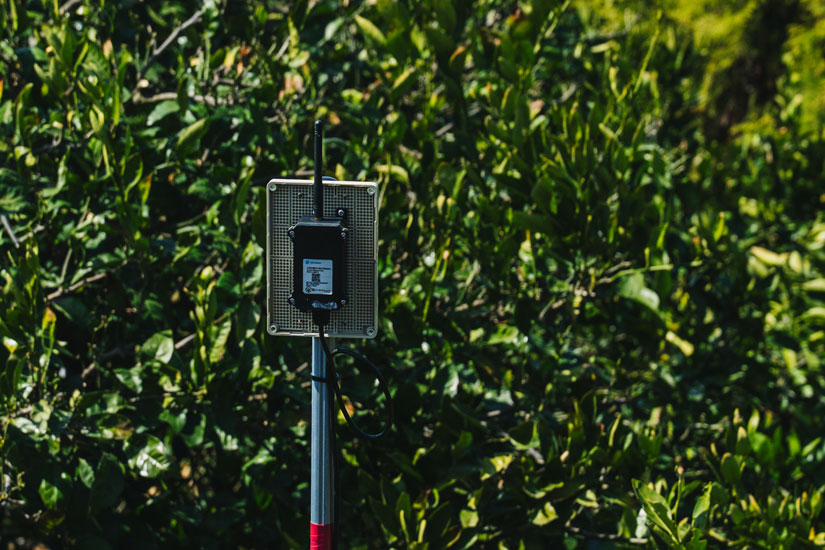
Mulch cultivation is a method in which white mulch is laid over the orchard, with drip tubes placed underneath to provide appropriate irrigation. By monitoring soil moisture levels with specialized sensors, this method increases fruit sugar content while minimizing stress on the trees, and simultaneously reduces acidity.
Stress cultivation is an essential method for increasing fruit sugar content, but conventional methods place a heavy burden on the trees, raising concerns about alternate bearing—where a poor harvest follows a bountiful one—and a shortened tree lifespan.
In contrast, Marudori cultivation is said to “produce high-sugar mandarins by applying mild stress to the fruit while reducing the burden on the trees.” In fact, while the average yield per farm in the Manana district is 4 tons, growers successfully practicing Marudori cultivation consistently record yields of 6 to 8 tons annually. There is also minimal variation in quality, ensuring stable production.
“We minimize fluctuations between good and bad years, ensuring production volume while pursuing flavor. Marudori cultivation makes that possible,” says Nakai, his voice brimming with confidence. He notes that the number of growers adopting Marudori cultivation is increasing year by year.
Expanding Our Product Line to Support the Brand
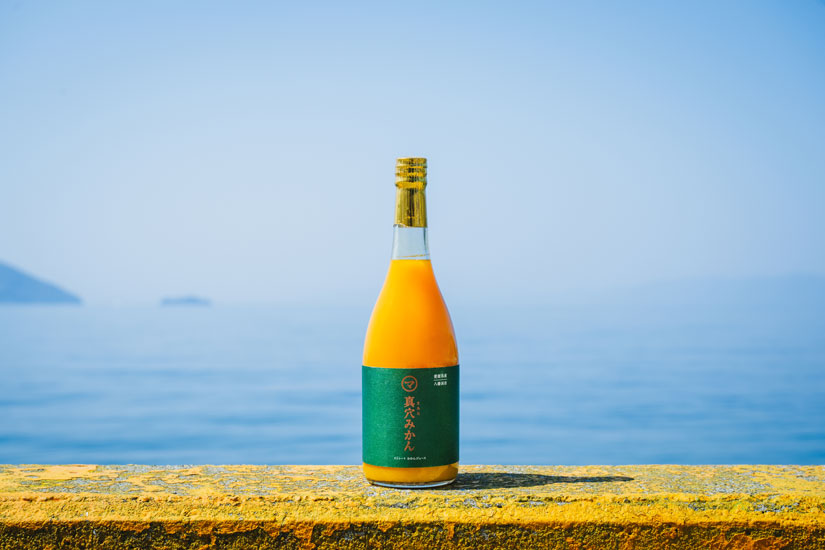
The Maana Cooperative is also actively developing processed products to deliver the delicious taste of Maana Mandarin oranges year-round.
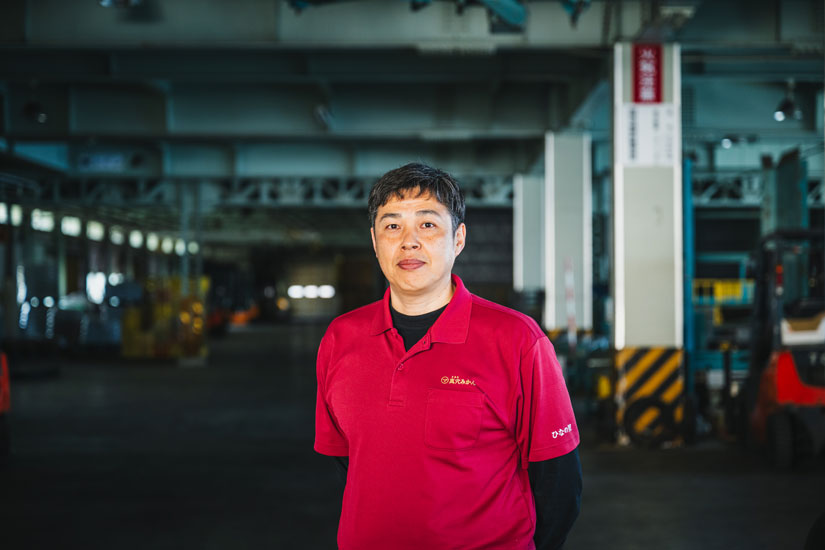
“We use even fruit that meets shipping standards as raw material for processing, crafting it into the finest mandarin orange juice,” says Sadao Abe, the cooperative’s executive director.
Their flagship product is pure juice. While it is popular for its rich sweetness and aroma that capture the natural flavor of the fruit, behind the scenes lies a story of hard work: it took a long time to develop, and a special production method was created through countless rounds of trial and error.
“People often ask, ‘Why is Maana Mandarin oranges juice so dark in color?’” says Nakai. “This is actually the result of repeated trial and error during development, ensuring that when our product is displayed on store shelves, customers can tell the difference from other mandarin juices at a glance.” By blending juices extracted using different methods, they achieve a product with greater depth of flavor.
“Pachi Pachi” Craft Gin Made with Maana Mandarin Oranges
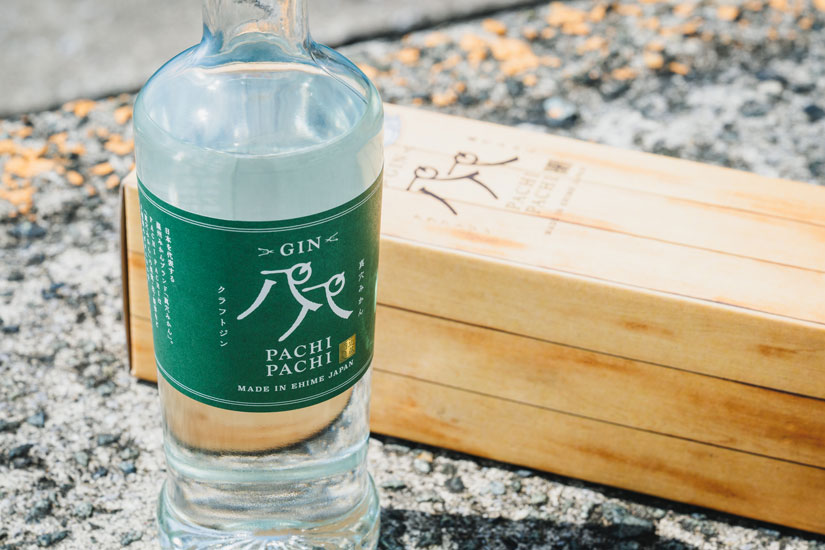
In recent years, craft gins produced by small-scale distilleries have become popular, and Manaa Cooperative has also taken on the challenge of commercializing a craft gin made with Maana Mandarin oranges. The result is “Hachi°Hachi° (Pachi-Pachi),” developed jointly by “Shunka Bussan,” the official distributor of Mana mandarins, and local sake brewery “Kondo Shuzo.”
It is made by distilling and blending eight botanicals related to the Maana Mandarin oranges—including the fruit, flowers, and new shoots, as well as the fruits of the Japanese holly used in windbreak hedges—separately by ingredient.
The origin of the unique name “Hachi°Hachi° (Pachi Pachi)” comes from the sound made when harvesting mandarins.
In the Maana district, fruit is picked twice to avoid damaging it with scissors. The first cut leaves a slightly longer branch, and the second cut is made closer to the base. The name of this carefully crafted gin was inspired by the distinctive sound unique to the Maana district, where mandarin oranges are harvested with such care.
This ambitious creation, which captures the refreshing aroma and sweetness characteristic of mandarin oranges, won the Silver Award in the Western Spirits (Gin) category at the “Tokyo Whisky & Spirits Competition 2022.”
To preserve the landscape of the terraced fields and ensure that the region’s history as a production area continues for generations to come

Although agriculture in mountainous and hilly regions is generally on the decline nationwide due to factors such as an aging workforce and a shortage of successors, the Maana district has shown exceptional resilience.
The cultivation area managed by the Maana Cooperative was approximately 290 hectares 20 years ago, compared to about 250 hectares today (2025). Through initiatives such as brand development through the cooperative and the introduction of new technologies, the decline in cultivated area over the past 20 years has been limited to just 40 hectares. Furthermore, the rate of decline in the number of farming households appears to be lower than in other regions, with 155 farming households currently supporting the production area.
“I believe that brand development has fostered a spirit among producers, inspiring each of them to take pride in their work,” says Mr. Nakai.
Matching experienced farmers with new farmers
Currently, the Maana District welcomes one to two agricultural trainees each year with the goal of increasing the number of new farmers. Rather than relying on the government, the two believe that the key to shaping the future of the Maana District lies in how the cooperative can actively welcome new farmers.
They are implementing an initiative to recruit producers in their 60s and older who are considering succession planning and match them with trainees. The ideal process involves two years of training under a veteran producer, followed by the eventual succession of that orchard. “Going forward, we want to improve our infrastructure—such as warehouses and orchard roads—to enhance our capacity to accept trainees,” says Mr. Abe.
“By working together in unity—producers and local residents alike—we want to revitalize the mandarin orange industry while competing and learning from other producing regions.”
Nakai’s words were imbued with the pride of a mandarin orange farmer.