

Eastern Shimane Prefecture is a region where the culture of “tatara ironmaking”—an ancient Japanese method of iron production—remains deeply rooted. In Hirose-cho, Yasugi City, there is a blacksmith’s workshop that has been in operation since the late Edo period. Building on the foundation of sword-forging techniques, the workshop now crafts tools that fit seamlessly into modern life, such as flower vases and frying pans. Shūsuke Kotō, the 11th-generation master blacksmith, continues to demonstrate through his craftsmanship why warmth resides in iron—a material that should be cold.
The Blacksmiths of Yasugi, Descendants of the Tatara Tradition
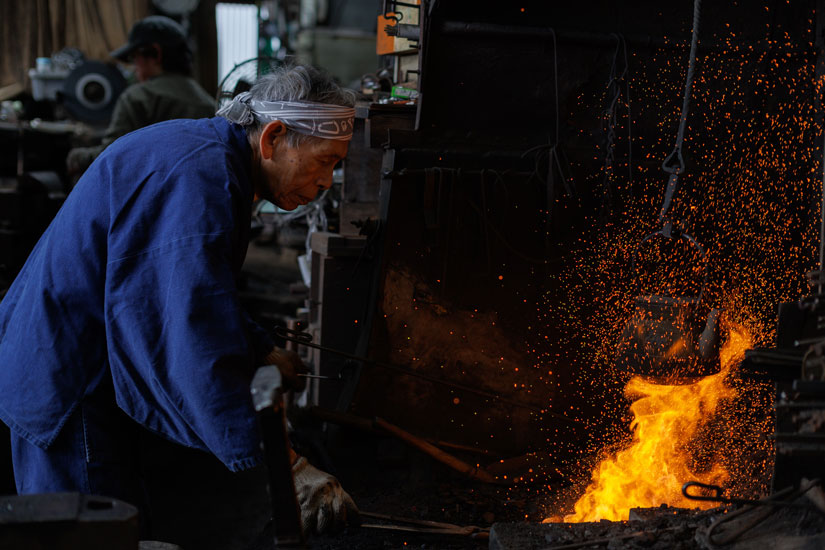
Shimane Prefecture has long been known as one of Japan’s leading iron-producing regions. “Tatara ironmaking”—the process of producing iron from iron sand and charcoal—is still preserved today as a Nationally Designated Preservation Technique. This technique, which reached its peak during the Edo period, is known as the only method for producing “tamahagane,” the material used to make Japanese swords, and flourished primarily throughout the Chugoku Mountains region.
The roots of the Hiromitsu Blacksmith Workshop date back to the late Edo period. From the first to the third generation, the family worked as “tatara masters” engaged in the tatara ironmaking process. Amid the changes of subsequent eras, they adapted their craft—shifting from forging cutlery and farming tools to the forging of Japanese swords—while keeping the blacksmith’s fire burning for ten generations.
Once indispensable to local life, blacksmiths were responsible for manufacturing and repairing kitchen knives and farming tools. However, after World War II, as mechanization and mass production advanced, the way of life centered on “repairing and using farm tools and cutlery for a long time” gradually disappeared. As inexpensive products became readily available, the number of blacksmiths across the country declined. It became difficult even to continue the work of ironmaking alone. Even so, Hiromitsu Blacksmith Workshop has continued to create iron crafts suited to the times, passing on its traditions to the present day.
Discovering the Joy of Bringing Art to Life Led Me to the World of Ironwork
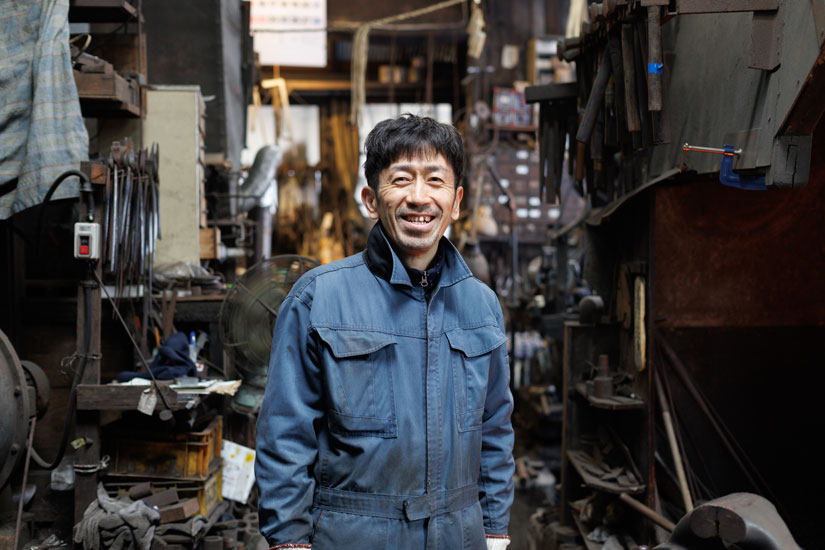
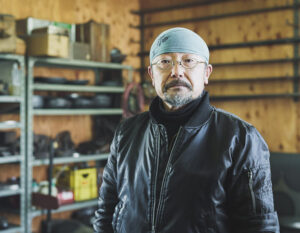
Mr. Shūsuke Kotō is the 11th-generation head of the Hiromitsu Blacksmith Workshop. He did not pursue blacksmithing right from the start; after graduating from college, he worked for a company in Tokyo and later at an art museum in Shimane Prefecture. The turning point that led him to blacksmithing came when he helped out at an exhibition for his family’s business. As he spoke directly with visitors and witnessed the moment when the items his family had crafted found their way into people’s daily lives, he realized not only the joy of creating but also the immense joy of seeing his work reach its users. He says that was the moment when the family business—which he had vaguely thought of as something he “would have to take over someday”—began to take shape as his own career.
Committed to handcrafted details, we infuse iron with warmth
The current workshop is home to four artisans, including my father, Hiroya, the 10th-generation master. They create crafts such as candlesticks, vases, paper lanterns, and fire-related items, utilizing techniques derived from sword forging. Just as in the forging of Japanese swords, they heat the iron to high temperatures and strike it repeatedly with a hammer to remove impurities and bring out its strength and toughness. Since even slight differences in temperature or the force of the strikes can alter the iron’s appearance, the artisans proceed with their work while carefully observing the color of the flame and the condition of the iron. Although the items they create have changed, the craft of forging iron and transforming it into functional beauty has remained unchanged since the first generation.
“Forging”: A Time-Honored Tradition of Ironworking
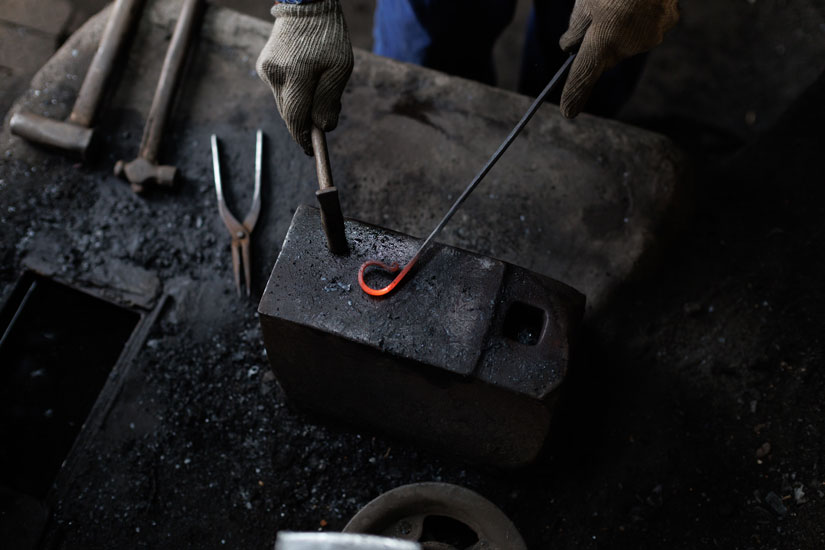
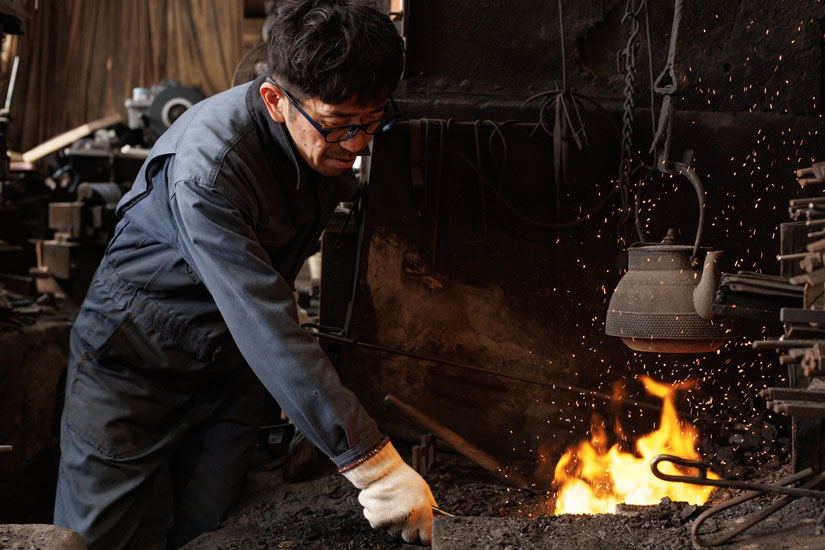
At the heart of their craftsmanship lies “forging,” a traditional method in which iron is heated over a charcoal fire and shaped by striking it with a hammer. In an era where casting—melting iron and pouring it into molds—and machining—shaping metal under pressure—have become commonplace, “forging” is labor-intensive and unsuitable for mass production. However, the process of hammering and shaping the metal increases its strength and toughness, and the hammer marks and subtle variations allow each piece to be uniquely expressive.
Assess the condition of the iron by feel
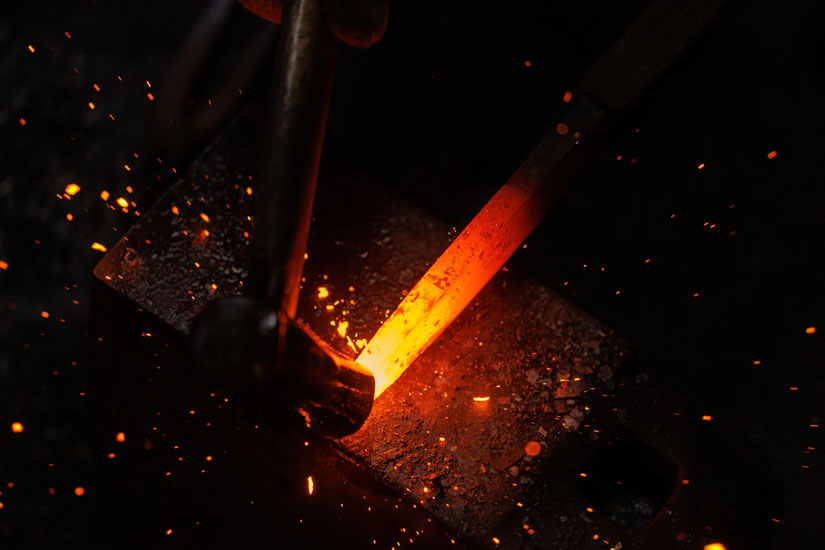
Iron can only be shaped while it is still soft, immediately after being heated. The working temperature range is approximately 800–1,000°C. If it is heated too much, the iron will melt; if it is heated for too short a time, it cannot be shaped even by hammering. Therefore, the metal is repeatedly placed in the furnace, removed, hammered, and reheated. This process is repeated over and over.
While the iron is heating, the craftsman visualizes where to strike next and how to bend it. Drawing on a sense honed over many years, he assesses the condition of the iron. The timing of when to remove it from the furnace is the most critical moment—it is the moment when the craftsman’s experience is truly put to the test.
The Joy of Handcrafting: Creating One-of-a-Kind Pieces
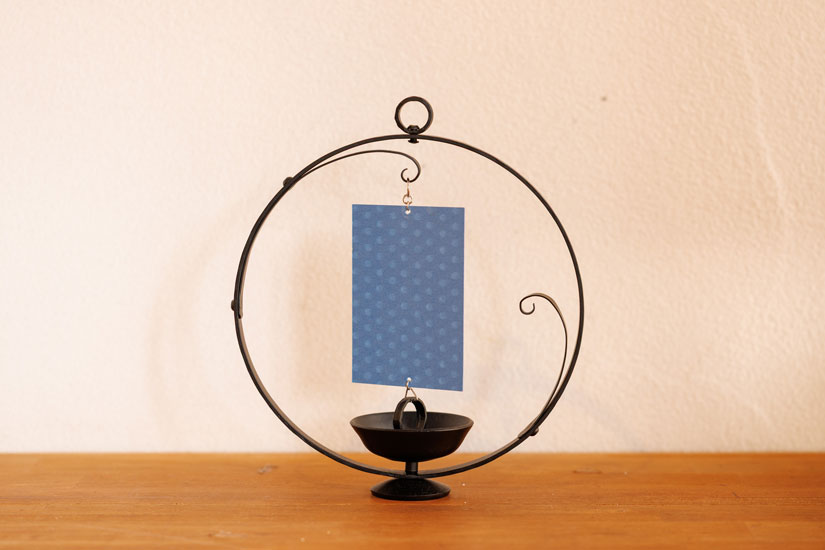
No two items crafted using the traditional ironworking technique of “forging” are exactly alike. The “tabletop wind chime,” with its striking supple iron ring, produces a unique tone for each piece—even within the same model—due to slight variations in the thickness of the iron and the curves of the ring. The subtle variations inherent in handcrafted work lend each piece a distinctive tone, creating a rich expressiveness not found in mass-produced items.
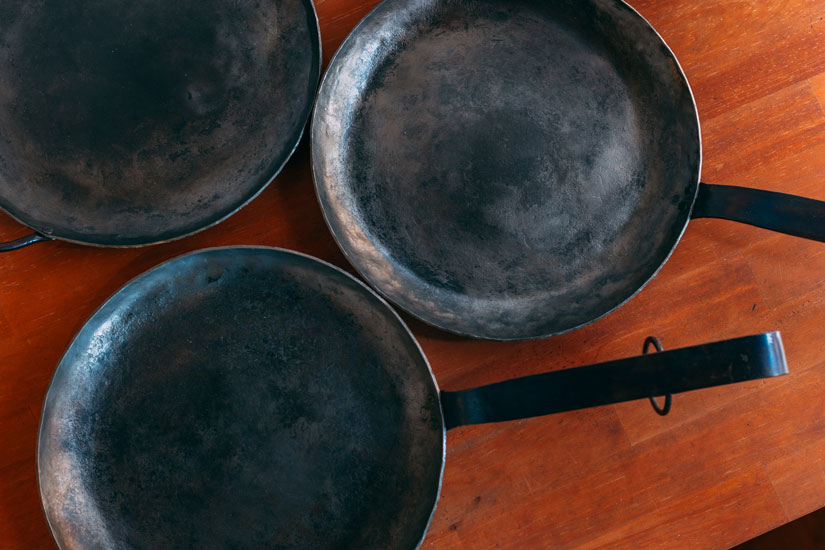
An iron skillet named “Tangetsu.” Taking advantage of iron’s excellent heat conductivity, it cooks food so that it remains tender on the inside while developing a fragrant, crispy crust on the outside. Designed without any chemical rust-preventive treatments, it allows you to enjoy the changing character of the iron as you use it. The subtle, uneven texture created during the forging process remains, giving the iron its unique character.
The ability to sell is also part of the craft.
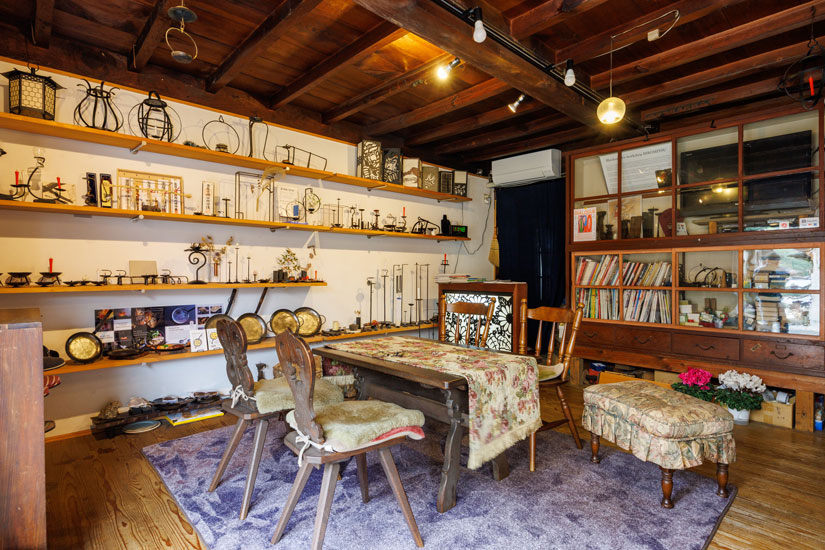
The role of the 11th-generation artisan extends beyond simply crafting objects. At the gallery attached to the workshop, new commissions and projects often begin through conversations with visitors who actually handle the pieces. Through repeated dialogue with customers, the artisan discerns their intended uses and spatial needs, then creates sketches to present proposals. The perspective cultivated in other industries informs not only how the pieces are sold but also the crafting process itself.
In addition to holding exhibition and sales events about once or twice a month at department stores and galleries outside the prefecture and in Tokyo, the studio has also been participating in overseas exhibitions in recent years, including the “Maison & Objet” trade show held in Paris. Iron crafts may not be a material that feels immediately approachable, unlike wood or glass. Nevertheless, the fact that there are quite a few repeat customers and collectors who keep coming back is likely due not only to the inherent power of the handcrafted pieces themselves but also to the studio’s careful cultivation of relationships with its users.
The Future of Hiromitsu Blacksmith Workshop, as Envisioned by Its 11th-Generation Master
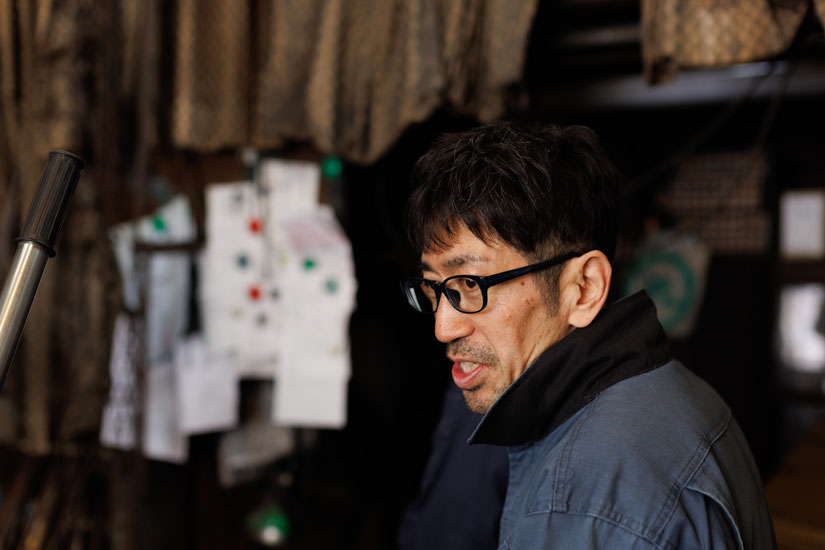
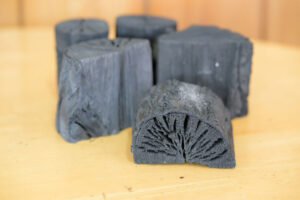
The next challenge Mr. Shūsuke has set his sights on is charcoal-making. Charcoal, which is indispensable to blacksmithing, varies in quality depending on the raw materials and the duration of the heating process. By making his own charcoal, he aims to ensure a steady supply of high-quality charcoal while completing the entire crafting process from the very source of the materials. Mr. Shūsuke’s insatiable spirit of inquiry is poised to propel his blacksmith’s workshop to a whole new level.