

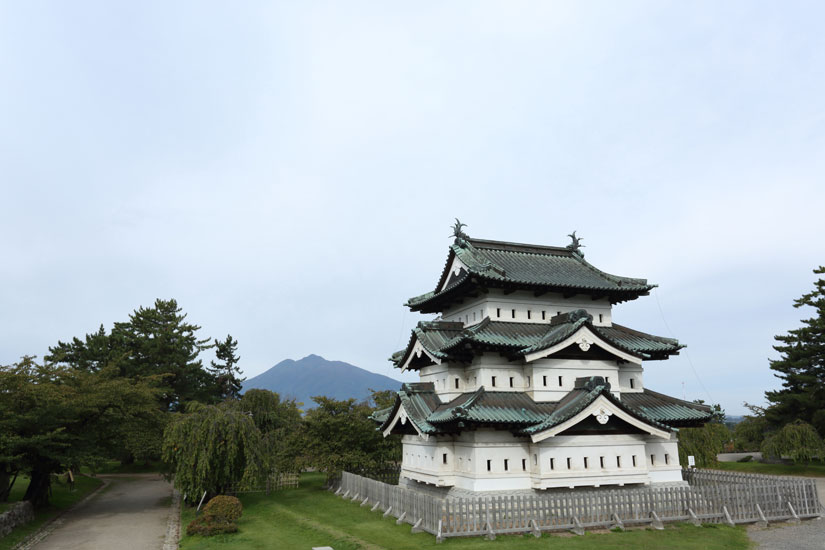
Hirosaki Park is known as one of the premier cherry blossom viewing spots in the Tohoku region, with many saying, “When it comes to Aomori Prefecture’s most famous cherry blossom spots, Hirosaki Park is the place to go.” The park is also known as Ouyouen and stands on the site of Hirosaki Castle, the seat of the Tsugaru clan, which ruled over a domain of 100,000 koku. Spanning a total area of approximately 50 hectares, the park features remnants of the castle, including the main keep, moats, watchtowers, and castle gates. During cherry blossom season, some 2,600 cherry trees bloom in spectacular fashion.
The History of Hirosaki Castle
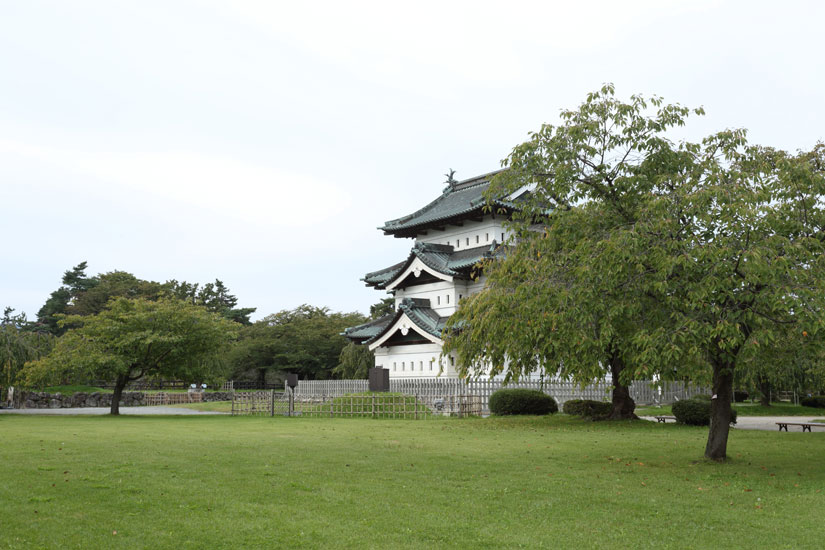
The main keep of Hirosaki Castle is one of 12 keeps built during the Edo period and is the only surviving keep in the Tohoku and Hokkaido regions.
The castle ruins are designated as a National Historic Site, and the surviving main keep, turrets, and castle gates are also designated as Important Cultural Properties. Hirosaki Park is located in the center of Hirosaki City. It covers a vast area of approximately 600 meters east to west and 1,000 meters north to south, with a total area of about 50 hectares. Within the park, in addition to the castle keep (the Tatsumi Yagura in the Honmaru), six bailey areas surrounded by moats and earthen ramparts, three turrets, and five castle gates remain.
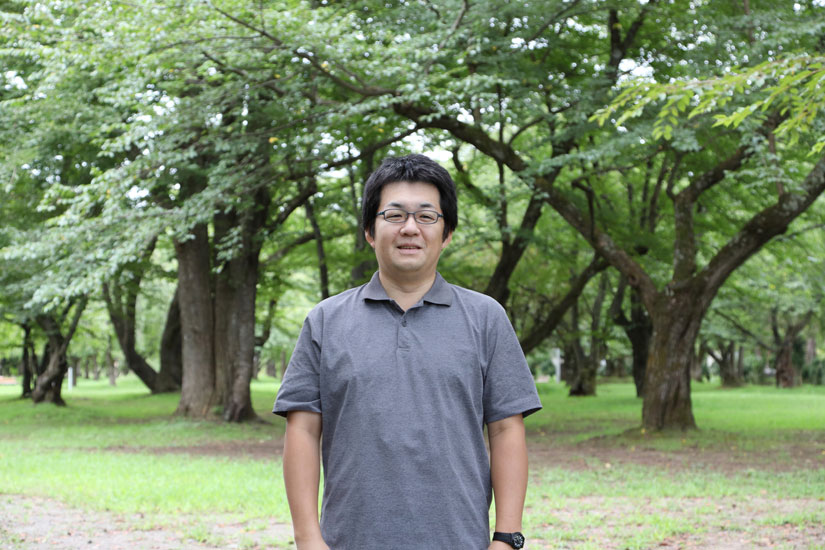
“I believe it’s rare even nationwide to find such a large-scale castle complex open to the public as a park while retaining its original appearance,” said Kokoro Shōji, Chief of the Hirosaki Castle Maintenance and Utilization Promotion Office in the Hirosaki City Parks and Green Spaces Division.
The History Leading Up to the Construction of Hirosaki Castle
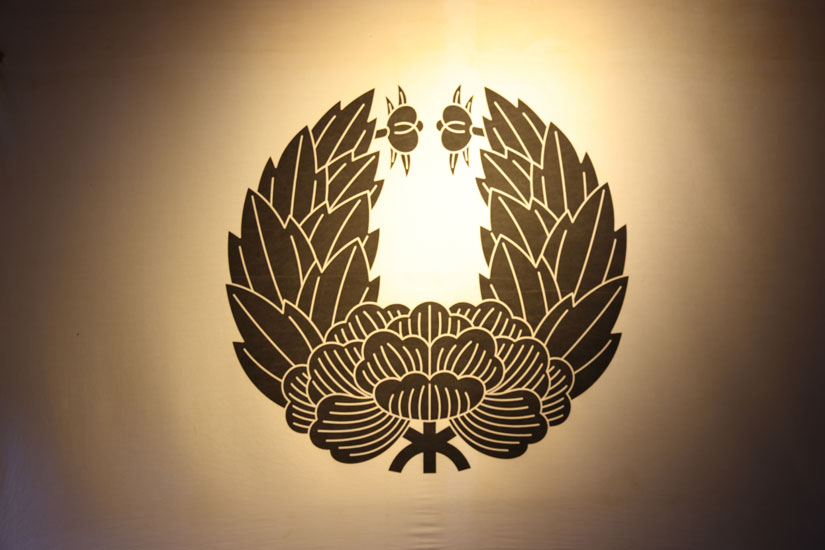
By 1590, Tsugaru Tamenobu had secured confirmation of his lands in Tsugaru from Toyotomi Hideyoshi, and in 1603, he decided to build a new castle, selecting the site at Takaoka. However, progress on the project was slow, and Tsugaru Tamenobu died of illness in Kyoto in 1607 without ever seeing the castle completed. He was 58 years old. Subsequently, his third son, Nobuhira, who became the second lord of the domain, completed Takaoka Castle (now Hirosaki Castle) in 1611.
Why Hirosaki Castle Was Reduced from Five Stories to Three
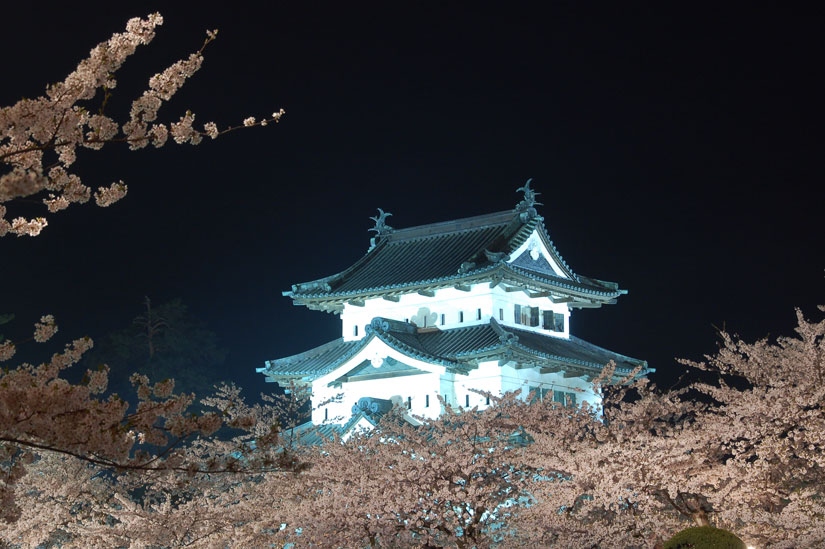
“The castle tower originally had five stories and was located in the southwest corner of the inner bailey when the castle was first built, but it was destroyed by a lightning strike in 1627,” says Mr. Shōji. “After the castle tower burned down, there was a strong movement to rebuild it, but the plans stalled midway. Later, when the Hirosaki domain’s rice yield reached 100,000 koku, the 9th lord, Yasuchika, rebuilt it in 1810 under the pretext of constructing the Tatsumi Turret of the Honmaru; this structure remains as the castle tower today.” The town’s name was changed from “Takaoka” to the current “Hirosaki” the year after the fire, reportedly as a way to ward off misfortune.
From the turmoil of the Shogunate’s fall to a symbol of the people of Hirosaki
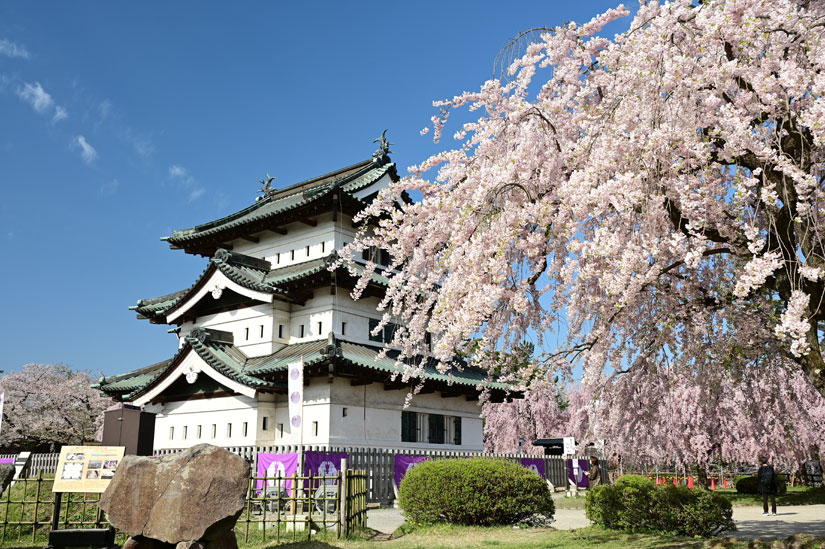
Eventually, the Meiji Restoration led to the dissolution of the Hirosaki Domain. Hirosaki Castle came under the control of the Ministry of the Army, and during the war, it was used as a branch of the Army Ordnance Depot—a regional office responsible for the supply, storage, and management of weapons and ammunition. Although some facilities, such as the Honmaru Palace and the Treasure House, were dismantled, the castle keep, gates, and turrets were preserved. Furthermore, because many of the ruins escaped damage during the Pacific War and remain in their original state, the site has been designated a valuable National Historic Site.
Amidst these developments, the area excluding the Sannomaru—which had been used as an Army powder magazine—was opened to the public as Hirosaki Park in 1895. The three-story main keep stands approximately 15 meters tall, offering a magnificent view that takes in the entire park and Mount Iwaki, known as “Tsugaru Fuji.”
This historic site has evolved from the “Kan’ōkai” cherry blossom viewing party to the “Hirosaki Cherry Blossom Festival”
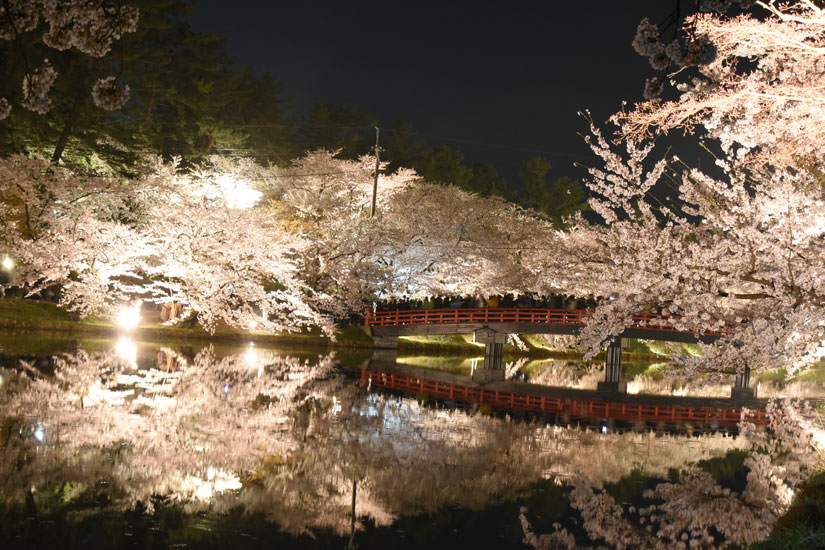
Just as people begin to feel the weight of winter lift, some 2,600 cherry trees of 52 varieties—including Somei-Yoshino, double-flowered cherry, and weeping cherry—bloom beautifully across the park’s expansive 50-hectare grounds. Within the park, which offers views of snow-capped Mount Iwaki, countless circles of people gathered for drinking parties—those who have longed for spring—spread out, and the sounds of Tsugaru folk songs can be heard from all around. Even now, more than 400 years after its construction, Hirosaki Park, home to Hirosaki Castle, continues to be cherished by the citizens as the first place that comes to mind when they think of a place to relax.