
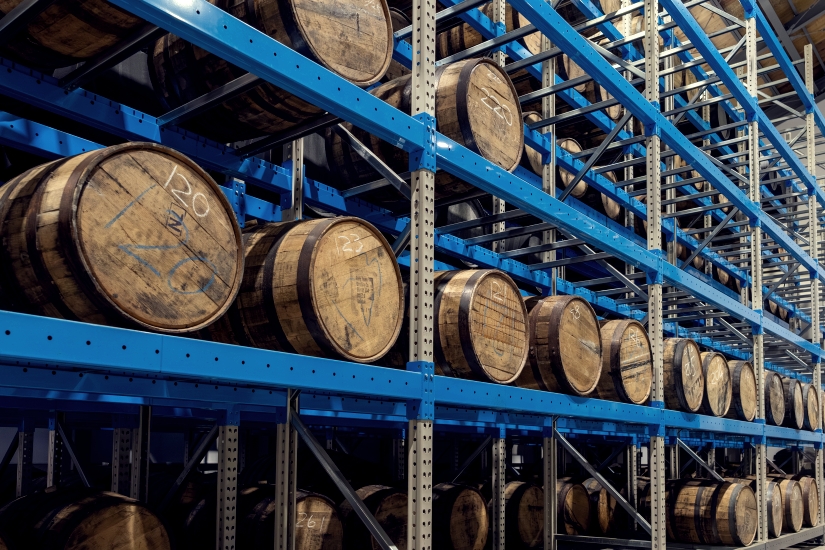
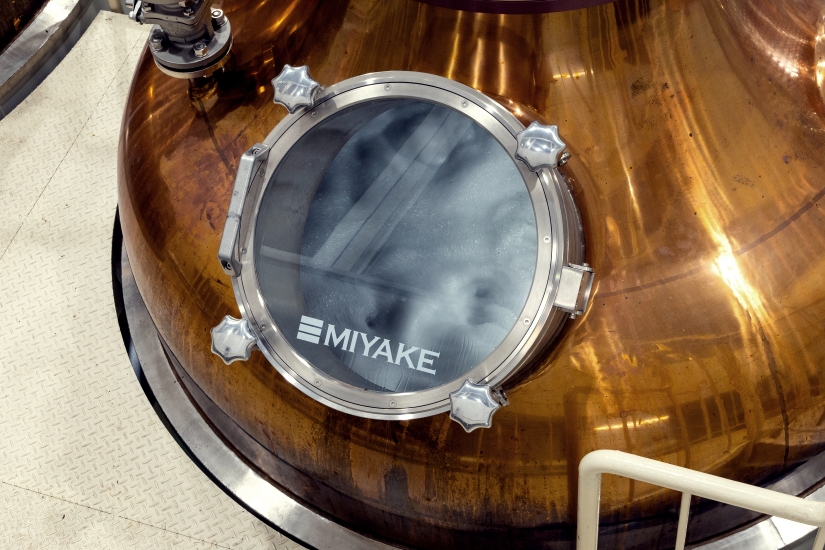
The Ikawa Distillery, Japan’s highest-altitude distilling facility, stands amidst the forests of the Southern Alps along the border of Shizuoka and Yamanashi Prefectures.Operated by Jūzan Corporation, part of the Tokushu Tokai Paper Group, which owns vast company-owned forests in this area. Why did these paper-making professionals venture into the unknown territory of whisky? Behind it lies a grand story of “forest utilization” – connecting the rich ecosystem of the Southern Alps to future generations.
Deep in the mountains, beyond the reach of radio waves, the stills turn quietly.
A 4-5 hour drive from Shizuoka Station. Passing through a gate restricting general vehicle access, the Ikawa Distillery lies further deep within. Located at the Shizuoka Prefecture entrance to the Southern Alps, the Ikawa region is deep in the mountains where even cell phone signals don’t reach.
In this place, lacking infrastructure and offering no conveniences, the production team lives secluded in the mountains, facing the stills. They can descend only once every two weeks. Their life, watching over the birth of the raw spirit deep in the forest, is truly akin to that of a monk in training.
Incidentally, Japan currently has about 150 whisky distilleries, including those in operation and those preparing to open. When Tōzan entered the industry from a different field in 2020, there were only about 40 to 50 distilleries. This means the number has roughly tripled in just five years.
Among these, Shizuoka Prefecture ranks fifth in Japan for the number of distilleries, making it a relatively active region for whisky production.
Within Shizuoka City lies the Gaiaflow Shizuoka Distillery, while the eastern part of the prefecture is dotted with distinctive distilleries such as the Kirin Distillery owned by the major beverage manufacturer Kirin Group, Distillery Water Dragon, and Fuji Kaguyahime Distillery. However, the Ikawa Distillery stands out even within the prefecture due to its unique location, origins, and management vision.
It all began with 24,000 hectares of forest
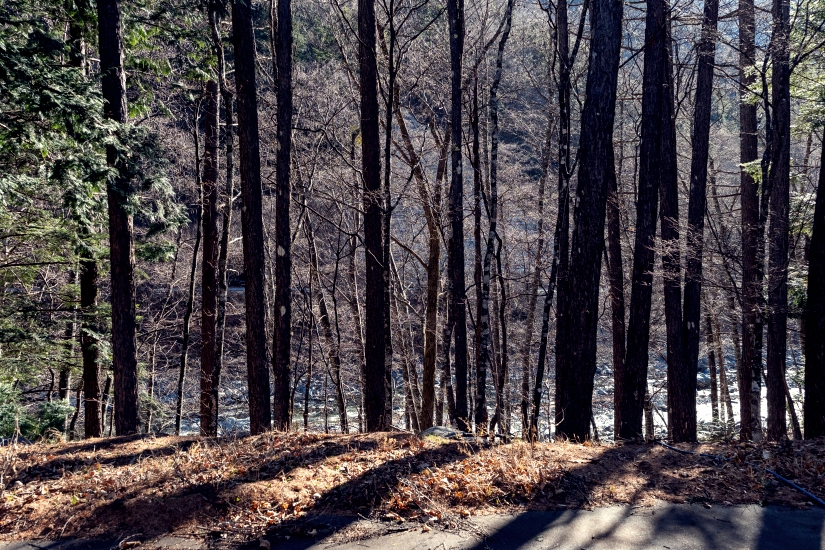
Tokushu Tokai Paper Co., Ltd. (Tokushu Tokai), the parent company of Toyama Co., Ltd. (Toyama), which operates the Ikawa Distillery, owns approximately 24,000 hectares of company-owned forest in this Southern Alps region.
This area is roughly four times the size of the land enclosed by the Yamanote Line loop in Tokyo. It is one of Japan’s largest contiguous privately owned forests and boasts an exceptionally rich and deep ecosystem, home to many endemic and rare Japanese species. Consequently, the company felt it was imperative to protect this precious natural environment for future generations.
However, maintaining and conserving this vast forest and its ecology incurs enormous costs. While timber was once floated down rivers to be caught downstream and utilized as construction materials or paper pulp, this business model stagnated for over half a century due to competition from cheaper imported wood.
“Simply protecting the forest isn’t sustainable management. We need a business that properly creates value from the mountain and generates funds for its preservation.”
Jūzan and the whisky business emerged as one answer to this long-standing challenge.
The mountain’s blessings were perfectly aligned
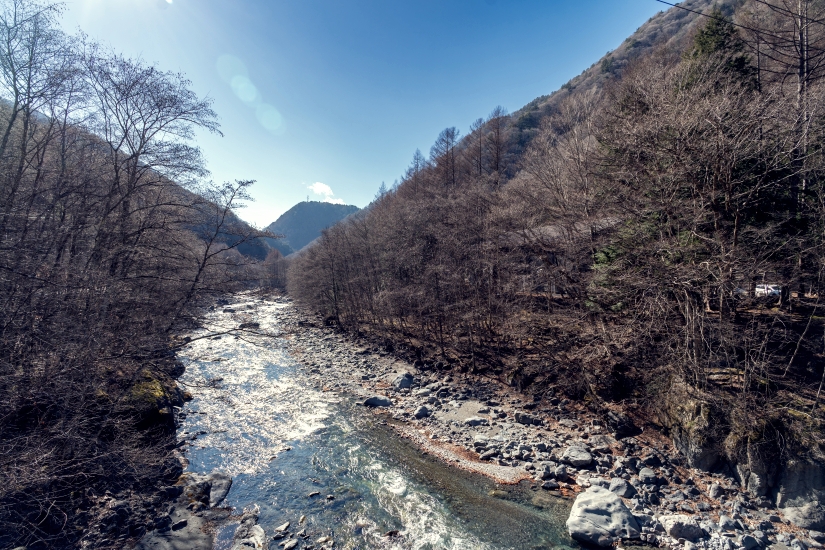
When exploring ways to utilize the mountains, the first focus was “water.” The Southern Alps are a vital water source supporting people’s lives, yielding extremely pure soft water completely untouched by industrial or domestic wastewater. While selling this water directly was considered, it was undeniable that this alone had limited added value.
Thus, the idea we arrived at was whisky production utilizing the company-owned forest itself.
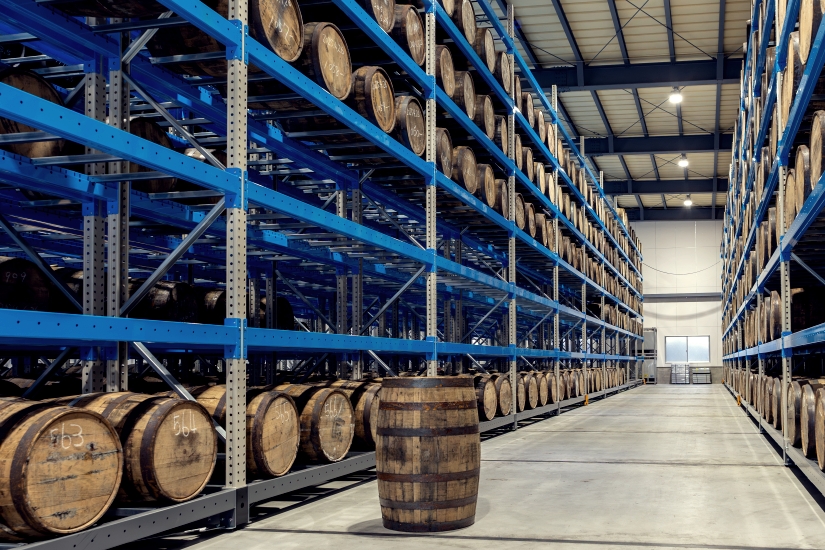
The Ikawa district, where our company-owned forest is located, boasts an elevation of 1,200 meters and a humid climate blessed by the mountains. This results in cool temperatures and high humidity throughout the year. The low evaporation rate during barrel aging allows for the cultivation of long-aged spirits that mature slowly over time.
This climate and environment are said to closely resemble those of Scotland, the home of whisky.
Furthermore, the abundant spring water and the superior quality of materials like Mizunara oak, commonly used for whiskey barrels, provided the ideal conditions for crafting exceptional whiskey.
Cherishing the journey of growth. A story called “Dessin”
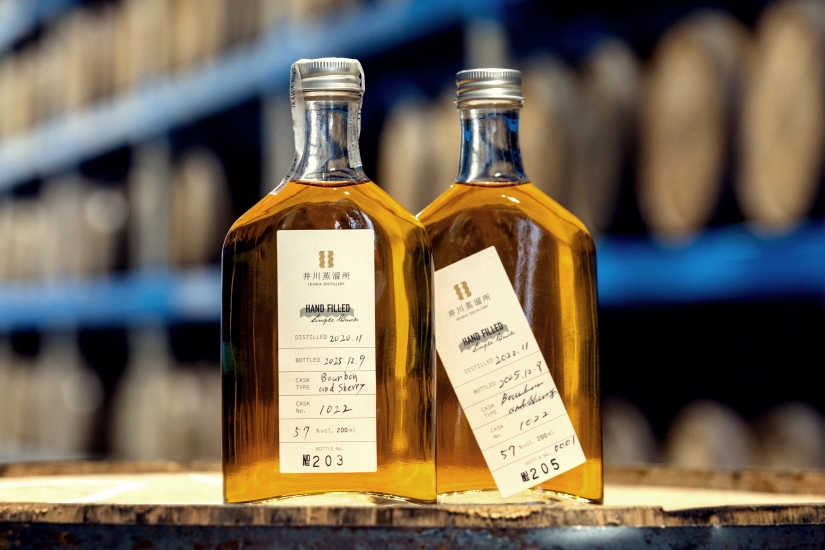
Thus began whisky production.
Driven by his passion, distillery manager and director Seto, who has tasted and compared various brands, aimed not for flashy impact, but for a clear, easy-drinking whisky that pairs well with food.
He sought to express a “subtle elegance,” akin to the pristine forests of the Southern Alps, where the refined flavors and aromas of the ingredients could be sensed beneath a clean taste.
To achieve this, he focused on the milling process, where the malted barley is crushed.
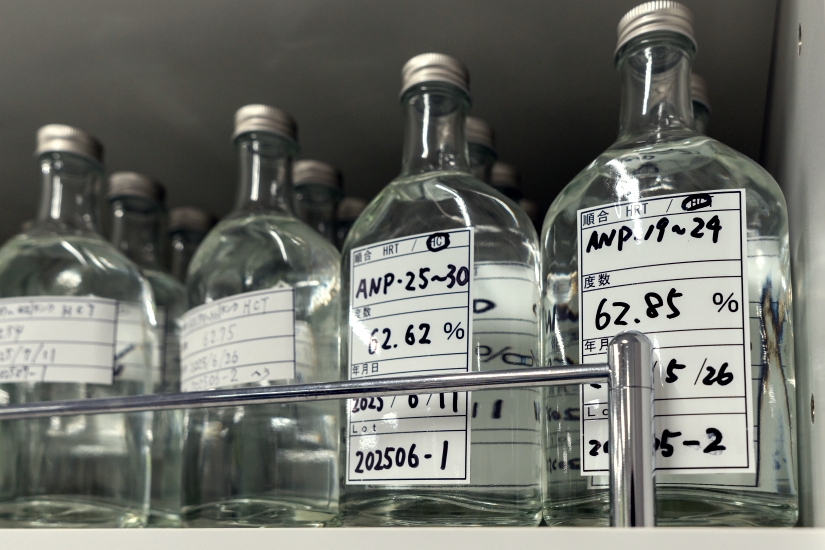
By extracting a clear wort, impurities are eliminated, leading to the sweet, transparent character sought by the Ikawa Distillery. During this process, careful attention is paid to the balance of “husk,” “grits,” and “flour” (fine powder). Meticulous adjustments are made each time to prevent an excess of flour, which can cause astringency and a heavy mouthfeel.
With their flavor concept and production methods now clearly defined, three years after distillation began, the Ikawa Distillery’s current releases are not yet fully established regular products. Instead, they are infusing their unique philosophy into a lineup that can only be created “right now,” while the brand is still young.
The first release was the “Lab Series,” featuring spirits aged under three years. This series serves as a record of their experiments to understand the “paints” (base spirits) they possess. Following this, they now offer the “Dessin Series.”
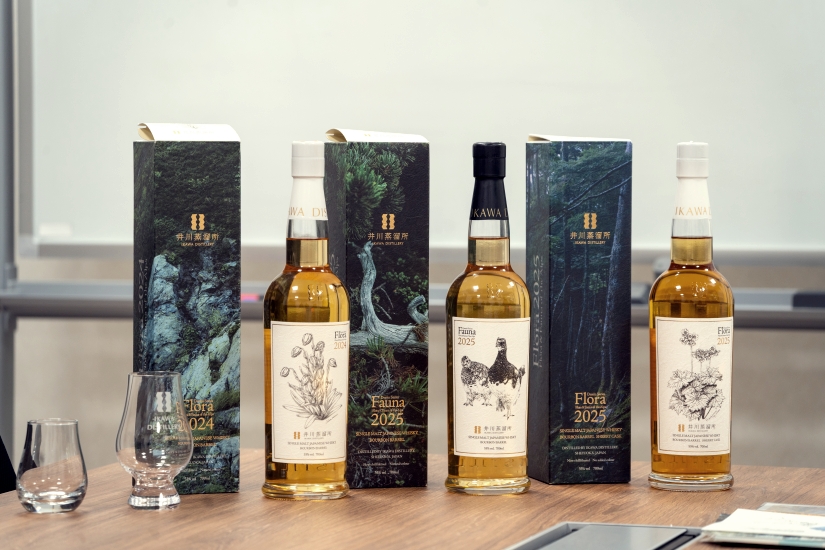
The labels feature line drawings of Fauna (ptarmigan) and Flora (alpine plants) inhabiting the Southern Alps. The deliberate absence of color signifies that the whisky is still maturing, still “unfinished.” When color is added to these sketches, and the full panorama of the Southern Alps is depicted in color, the whisky that represents Ikawa Distillery’s “masterpiece” will be born.
“We want you to savor the nature of Ikawa right now, in this moment. Enjoying the layered, unfinished passage of time is part of the true pleasure of whisky,” says Director Setoko.
The 2025 Feat That Astonished the World: Ikawa Proved the Power of “Quality”
In recent years, this supposedly “unfinished” whisky has been winning high praise at international competitions one after another, shocking the world.
At the “Bartender Spirits Awards 2025” held in the United States, the Dessin Series’ “Flora 2024” was honored as “Single Malt Whisky of the Year,” while “Fauna 2025” was named “Japanese Whisky of the Year.”
Furthermore, “Flora 2024” also won Gold Medals at the “San Francisco World Spirits Competition 2025,” considered one of the world’s three major spirits competitions, and at the “International Wine & Spirit Competition 2025” held in the UK, the home of whisky, proving its exceptional quality.
Furthermore, not only its quality but also its project initiatives have been highly praised. In September 2025, it received the “Minister of Finance Award,” one of the highest honors, at the “8th Eco-Pro Awards” held at Tokyo Big Sight. In December, it won the Sustainable Design Award at the “Good Life Awards” hosted by the Ministry of the Environment. Its forest conservation activities through whisky production are drawing attention as a role model for a sustainable society.
Pride in “Paper Making” Transformed into “Whisky”: An Unconventional Group of Craftsmen
The Ikawa Distillery also boasts an unconventional team of makers. Led by Director Setou, who oversees operations, many staff members were originally engineers who made “paper” at Tokushu Tokai Paper. Members recruited through an internal company call for applications included diverse backgrounds like automotive mechanics and alcohol production experience, but all started from scratch regarding whisky making.
Their only prior whisky-making experience was Director Setoguchi’s roughly one-year apprenticeship at Mars Shinshu Distillery in Nagano Prefecture when the project began.
Nevertheless, the meticulous process management honed in paper manufacturing, their keen observational skills that never miss a flaw, and their machine maintenance expertise all contribute to the stability of the delicate distillation process.
Reviving “Domestic Mizunara Oak Casks” with Shizuoka’s Master Carpenters
The company had begun to develop distinctive characteristics in its whisky.
The next step they considered was manufacturing whisky barrels using thinned Mizunara oak and fallen trees from their company-owned forest.
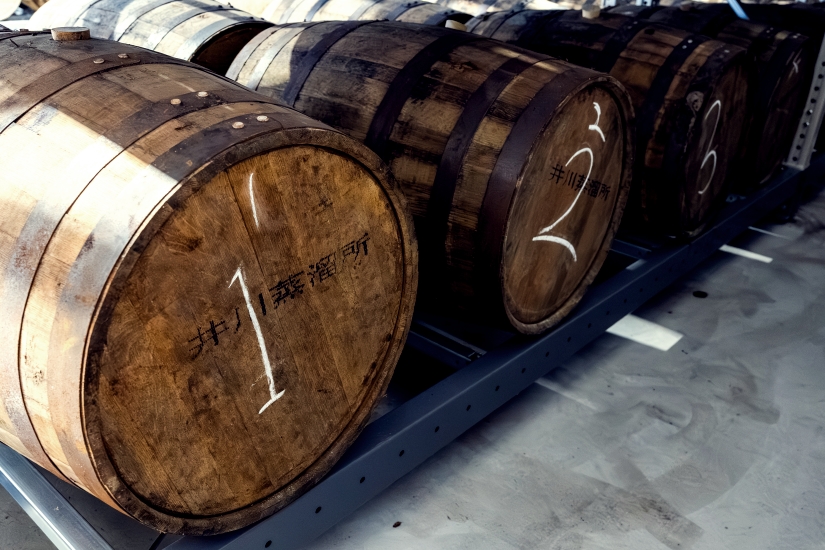
Barrels are a crucial element determining whisky’s flavor. Typically, most distilleries import used sherry or bourbon barrels from overseas. But the company thought: “If we have trees in the mountains, why not make our own barrels? Aging whisky in barrels made from wood grown in our own forests would be a significant advantage.”
They approached Mr. Sugiyama and his son, master carpenters specializing in traditional Japanese temple architecture, based in Shizuoka City.
“If we take apart a used barrel, we can understand its structure and build one ourselves.”
The barrel-making project, launched with such confident words, proved far from straightforward. Even for these master carpenters, the structure of a “barrel” that wouldn’t leak liquid was uncharted territory.
Led by the Sugiyama family, they commissioned a local sheet metal worker to make the hoops (the iron bands that tighten the barrel), while a local sawmill cut the logs. This truly “All Shizuoka” barrel-making effort, harnessing the city’s artisan network, was set in motion.
After about three years, the domestically produced Mizunara oak barrels were finally completed. They imparted a honey-like sweetness and a unique aroma reminiscent of agarwood—considered the pinnacle of aromatic woods—to the whisky. This captured the very essence of the subtle, refined “Japanese” nuance the company sought.
Though still only a few percent of the total, the raw spirit aged in barrels made from their own timber has earned high praise from experts.
For the forest a century from now. The philosophy poured into every glass.
Whiskey from the Ikawa Distillery is by no means inexpensive compared to market prices. There are clear reasons for this.
One is the production cost incurred in the remote, harsh environment. The other is that a portion of the sales proceeds is directly allocated to “conserving the Southern Alps.”
Purchasing this whisky is synonymous with investing in activities that protect the natural environment of the Southern Alps and nurture forests for the next century.
What the company creates is the very essence of the Southern Alps’ landscape and the vision of its forests a century from now.
This challenge has only just begun. It’s still in the “sketch” phase, but the rich waters, Mizunara oak, and harsh winters of the Southern Alps are transforming the raw spirit into amber.
No definitive date has been set for releasing the final version. Each batch of raw spirit has its own character, and their peak maturation points vary. Even the currently released “Flora” and “Fauna,” though unfinished, are delicious enough to be proudly enjoyed.That is precisely why, when this amber drop achieves a flavor surpassing our current whiskies—including the aromas and flavors gained through long aging—it will finally fill glasses worldwide, creating a significant cycle that protects Japan’s rich forests. To ensure these forests remain as beautiful as ever 100 years from now, the stills continue to turn quietly deep in the mountains today.
*This tour is not held during the snowy winter season. Preparations are currently underway for tours starting April 2026 and later. Please check the latest information on the website below.
https://travel.daitetsu-adv.co.jp/