
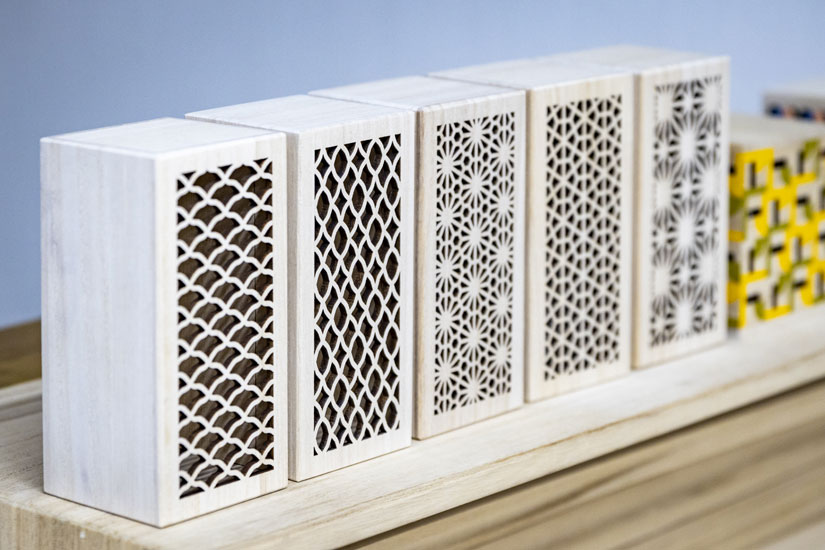
Koga City, adjacent to Fukuoka City, the capital of Fukuoka Prefecture, is bordered by lush green mountains to the east and faces the Genkai Sea to the west, boasting a beautiful coastline of white sand and green pines. Located here is Masuda Paulownia Box Shop, a specialist manufacturer of paulownia boxes that has earned deep trust both domestically and internationally since its founding.They produce a wide range of products, from special paulownia boxes for storing the works of Living National Treasures to paulownia boxes for everyday use. What is the appeal and dedication to craftsmanship behind their work?
The Unwavering Craftsmanship of Paulownia Box Making, Passed Down Since Founding
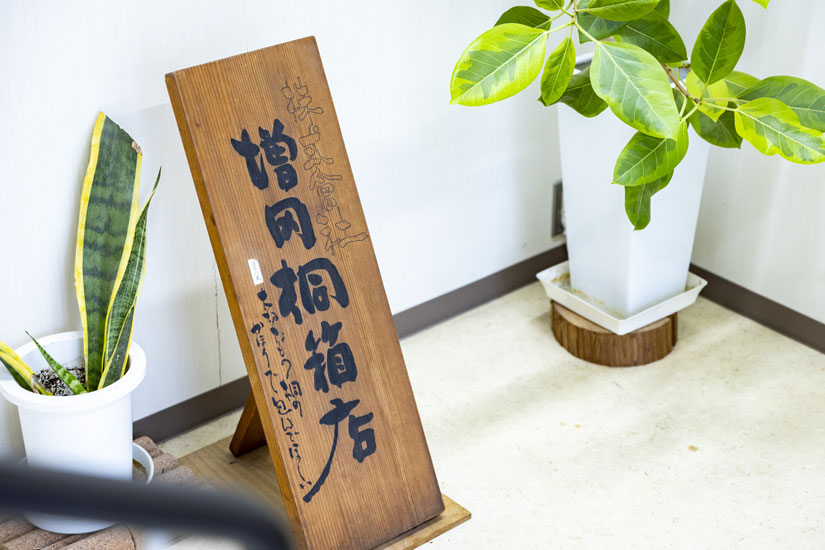
Founded in 1929, the company traces its origins to Mr. Fujii’s great-grandfather, who honed his skills at a paulownia box shop in Hiroshima. He branched off from the main family business to open a shop in Fukuoka, dedicated to crafting boxes for traditional crafts like Hakata dolls and Hakata-ori textiles.The business was then passed down to the second-generation grandfather and then to the third-generation Fujii. Rooted in their hometown of Fukuoka, they grew into one of Japan’s largest companies, producing approximately 1.2 million paulownia boxes annually to house crafts and gifts from across the country.
Characteristics of Paulownia Boxes and Environmental Considerations
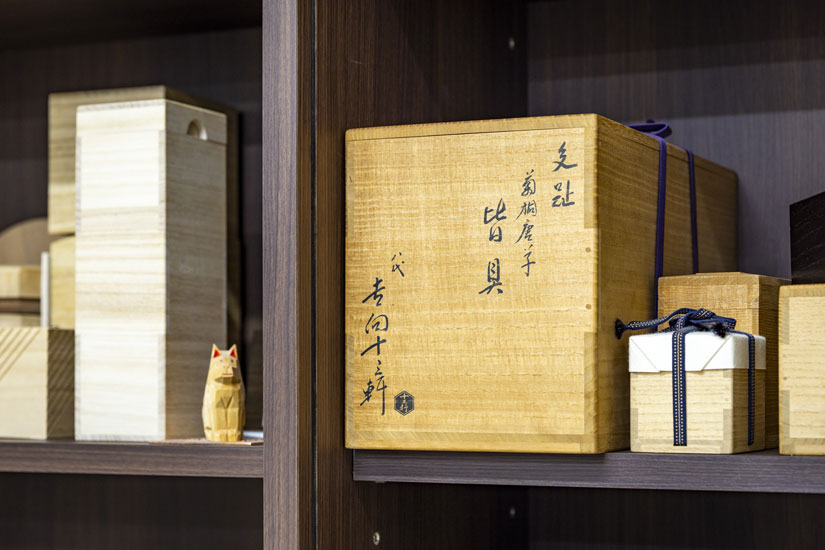
Paulownia boxes have long been used to store precious items like clothing, books, jewelry, tea ceremony utensils, Buddhist altarware, and food. Paulownia wood excels in humidity control, insect resistance, and fire resistance. It is also lightweight yet sturdy among woods, making it easy to transport and providing reliable protection for stored items without warping.Beyond functionality, their refined grain and elegant, sophisticated appearance have long contributed to their popularity. Furthermore, while cedar takes 50 years to mature, paulownia grows remarkably fast, reaching maturity in just 25 years. With careful maintenance, these boxes can be used for generations, making paulownia a recognized eco-friendly material.
Changing Uses and New Demands for Paulownia Boxes
Recently, shifts in lifestyle have brought changes to the uses of paulownia boxes. While demand for boxes storing kimonos and traditional crafts is declining, the need for them as gift boxes for items like sake, chocolate, tea, and beef is growing, making paulownia boxes more commonplace.
To meet this expanding demand, Masuda Paulownia Box Shop integrated its two traditional operations: the artisan workshop crafting each box individually to match the craftwork, and the factory handling mass production. This structure allows them to leverage the skills of veteran artisans while accommodating a wide range of needs, from custom orders to large-lot production.
Paulownia boxes come in various grades, ranging from high-end, one-of-a-kind boxes crafted for National Living Treasure pieces or museum collections to more affordable boxes used for food or gift packaging. Grades vary based on materials and specifications. This structure, designed to meet such diverse needs, has led to increased gift applications and overseas exports, boosting production volume to more than double that of 15 years ago.
From Reactive to Proactive
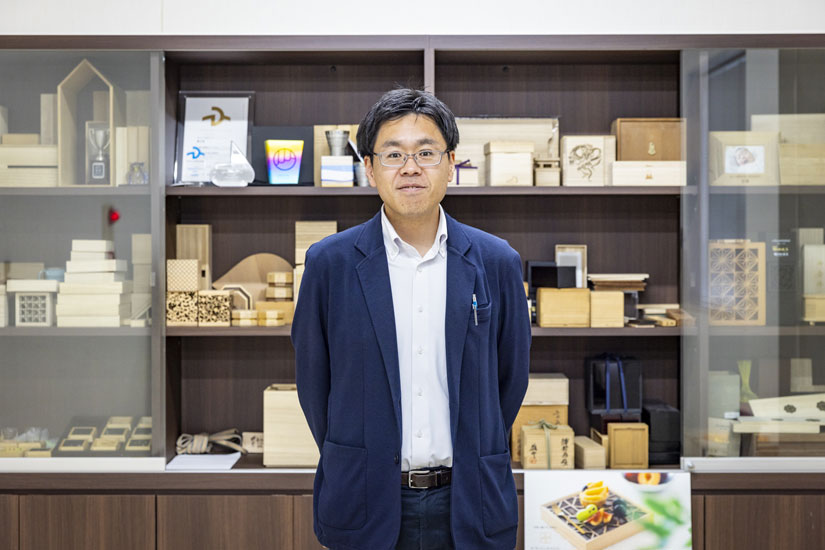
Mr. Fujii took over the family business from his grandfather and became president at age 25. Considering what he could and should do as a young leader, he set three goals: “Make younger generations more aware of the merits of paulownia boxes,” “Increase orders to boost employee morale,” and “Expand the business scale to raise the profile of paulownia boxes.”Mr. Fujii questioned the passive mindset that boxes were merely supporting actors to the contents, where form and quantity were entirely dictated by the contents. Resolving that this couldn’t continue, he took decisive action and began developing original products that leveraged the unique characteristics of paulownia wood.
The Birth of the Hit Product: The “Paulownia Rice Storage Container”
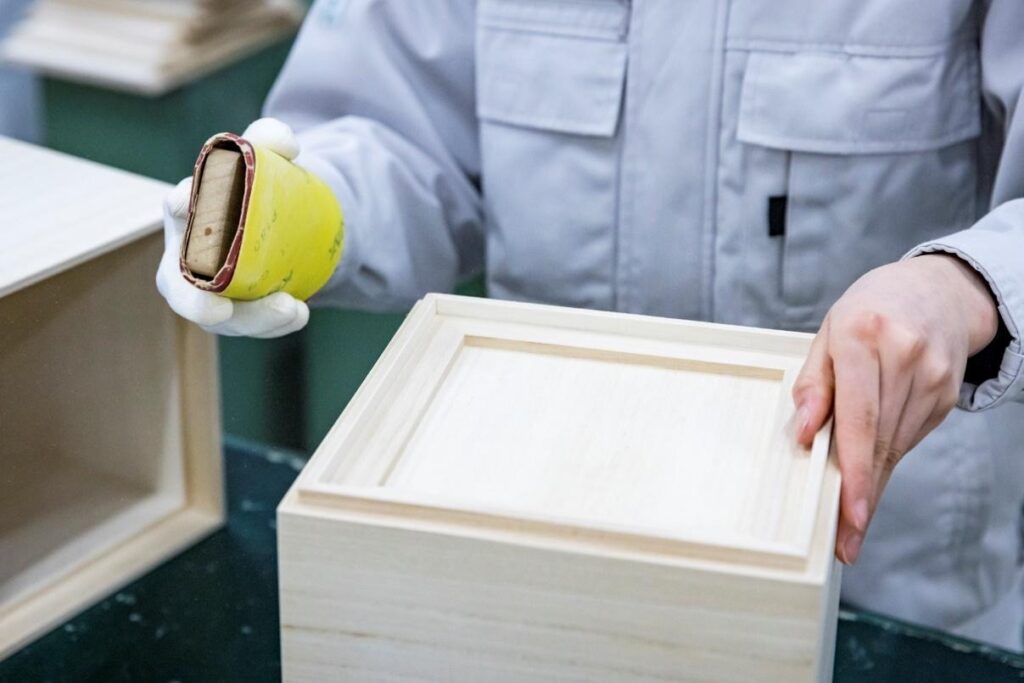
With the theme “Bringing Paulownia Boxes Closer to Daily Life,” new product planning began with three goals: making people aware of the benefits of paulownia boxes, utilizing the company’s accumulated box-making expertise, and above all, creating products people would genuinely want.
First, the functional properties of paulownia wood—its humidity-regulating and insect-repelling effects, plus its lightness—led to the idea of a “rice storage container.” The aim was to let people experience the deliciousness of rice (i.e., maintaining rice quality) at their daily meals and convey the excellence of paulownia boxes.
Next, we aimed for a simple, timeless design that would blend seamlessly into modern kitchens. We went through multiple iterations with the product designer, discussing not only aesthetic beauty but also, with input from our craftsmen, whether the shape would be easy to produce in the factory.
Finally, the most challenging aspect was determining the “price point.” We considered the appropriate price from various angles: for personal use, as gifts, and for export.
Thus, our flagship product, the “Paulownia Rice Storage Container,” was born. In 2017, its quality and form were highly praised, earning it a spot in the “JIDA DESIGN MUSEUM SELECTION” (Vol. 18) by the Japan Industrial Designers Association (JIDA), an organization dedicated to preserving outstanding design for future generations. It has since grown into a long-selling product, with cumulative sales exceeding 40,000 units.
Feedback from buyers includes: “Rice stays incredibly fresh!” “Lightweight and easy to use!” and “The simple design is stylish!” Many who use it personally gift it to family and friends, gradually spreading the word about the Paulownia Rice Storage Container’s merits through word of mouth.
The rice storage container sparked interest in paulownia boxes themselves, leading to increased inquiries, including from overseas. Unexpectedly, the rice container became an effective “salesperson” for promoting the appeal of paulownia boxes.
Within the company, employees began seeing their handmade products—previously unseen—in department stores and high-end interior shops. This spurred them to actively participate in product development, asking: “Can we achieve better finishing? Can we make production more efficient?” Subsequent releases like vegetable and bread storage boxes, and the house-shaped bookend “Book House,” also gained popularity, steadily expanding their original product line.
The Future as a Packaging Coordinator
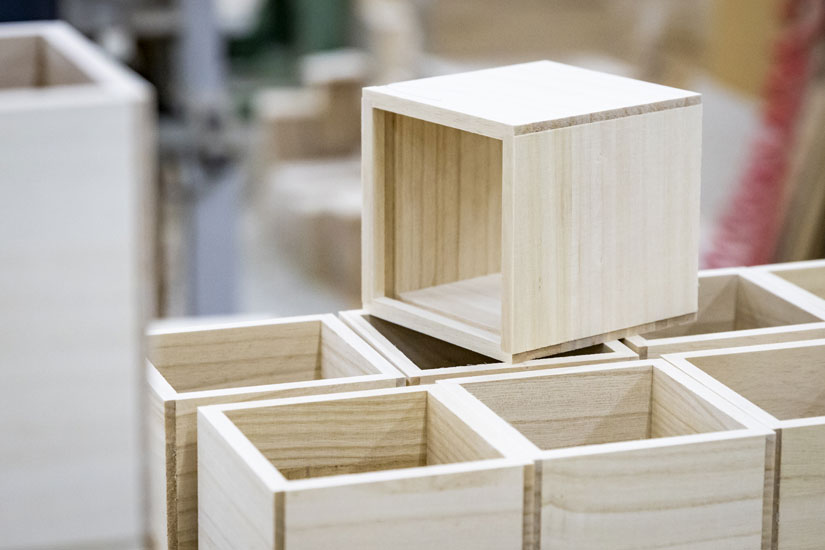
Masuda Kiri Bako Ten’s reputation grew after creating its own products. Moving forward, while upholding its founding principle of providing high-quality goods, the company aims to offer comprehensive proposals encompassing not just box size, design, and logo placement, but also the softer aspects like cushioning materials, string, shipping methods, sales systems, and promotional strategies.”Conceptually, we see ourselves more as tailors than manufacturers,” says Fujii. “Based on factory data, we want to fulfill a consulting role that fits each customer—advising on what products to package how to sell well, or how to approach overseas markets.” They pursue new possibilities for paulownia boxes not merely as storage tools, but as entities bridging Japanese traditional culture with modern lifestyles.
Born from the idea of safely and beautifully storing cherished items, the paulownia box is a gift from nature. It fits perfectly into people’s lives across generations, adding color to their daily existence.